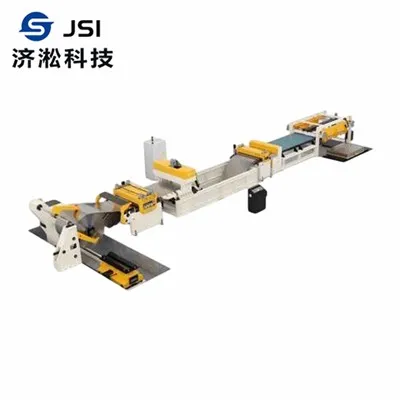
In the realm of metalworking, high speed blanking lines play a pivotal role in the efficient production of precision metal parts. As a trusted supplier of high speed blanking lines, I am often asked about the concept of shearing force in these advanced systems. Understanding the shearing force is crucial for optimizing the performance of a high speed blanking line and ensuring the quality of the final products. In this blog post, we will delve into the intricacies of shearing force in high speed blanking lines, exploring its definition, factors influencing it, and its significance in the manufacturing process.
What is Shearing Force?
Shearing force, in the context of a high speed blanking line, refers to the force required to cut or separate a metal sheet into individual blanks. This force is applied by the cutting tools, typically punches and dies, as they come together to create a clean and precise cut. The shearing force is a critical parameter that determines the efficiency and effectiveness of the blanking process.
The magnitude of the shearing force depends on several factors, including the material properties of the metal sheet, the thickness of the sheet, the cutting speed, and the geometry of the cutting tools. Different metals have different shear strengths, which is a measure of their resistance to shearing. For example, steel has a higher shear strength than aluminum, which means that more force is required to cut through a steel sheet of the same thickness.
The thickness of the metal sheet also has a significant impact on the shearing force. As the thickness increases, the shearing force required to cut through the sheet also increases. This is because a thicker sheet has more material to be sheared, and therefore more force is needed to overcome the resistance of the metal.
The cutting speed is another important factor that affects the shearing force. In a high speed blanking line, the cutting speed can be quite high, which can reduce the shearing force required. This is because the high speed of the cutting tools causes the metal to deform more rapidly, making it easier to cut. However, if the cutting speed is too high, it can also lead to increased wear and tear on the cutting tools, which can affect the quality of the cut and the lifespan of the tools.
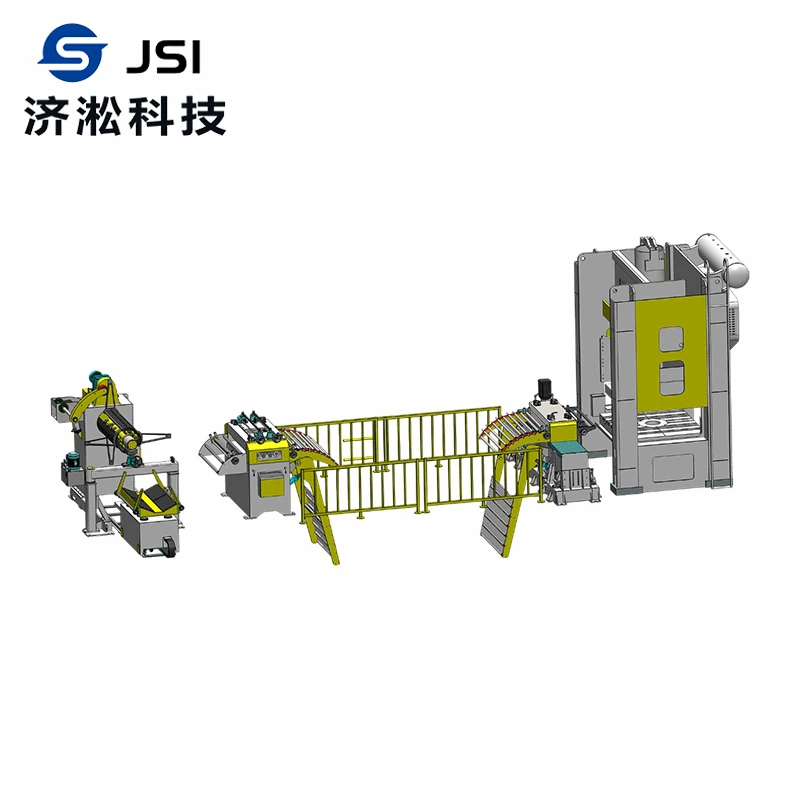

The geometry of the cutting tools, such as the shape and sharpness of the punches and dies, also plays a role in determining the shearing force. A sharp cutting edge requires less force to cut through the metal, while a dull edge requires more force. Additionally, the shape of the cutting tools can affect the distribution of the shearing force, which can impact the quality of the cut.
Factors Influencing Shearing Force
As mentioned earlier, several factors influence the shearing force in a high speed blanking line. Let's take a closer look at each of these factors:
- Material Properties: The shear strength of the metal is the primary material property that affects the shearing force. Metals with higher shear strengths require more force to cut. Other material properties, such as hardness and ductility, can also influence the shearing force. Harder metals are generally more difficult to cut, while more ductile metals are easier to deform and cut.
- Sheet Thickness: As the thickness of the metal sheet increases, the shearing force required to cut through it also increases. This is because a thicker sheet has more material to be sheared, and therefore more force is needed to overcome the resistance of the metal.
- Cutting Speed: The cutting speed can have a significant impact on the shearing force. In general, higher cutting speeds reduce the shearing force required, as the high speed of the cutting tools causes the metal to deform more rapidly. However, if the cutting speed is too high, it can also lead to increased wear and tear on the cutting tools.
- Cutting Tool Geometry: The shape and sharpness of the cutting tools, such as punches and dies, can affect the shearing force. A sharp cutting edge requires less force to cut through the metal, while a dull edge requires more force. Additionally, the shape of the cutting tools can affect the distribution of the shearing force, which can impact the quality of the cut.
- Lubrication: The use of lubricants can reduce the shearing force required to cut through the metal. Lubricants help to reduce friction between the cutting tools and the metal sheet, which can make the cutting process smoother and more efficient.
Significance of Shearing Force in High Speed Blanking Lines
Understanding the shearing force in a high speed blanking line is essential for several reasons. Firstly, it helps in the selection of the appropriate cutting tools and equipment. By knowing the shearing force required for a particular metal sheet, manufacturers can choose cutting tools that are capable of generating the necessary force without causing excessive wear and tear.
Secondly, optimizing the shearing force can improve the efficiency of the blanking process. By reducing the shearing force required, manufacturers can increase the cutting speed, which can lead to higher production rates. Additionally, a lower shearing force can also reduce the energy consumption of the blanking line, resulting in cost savings.
Thirdly, the shearing force has a direct impact on the quality of the cut. If the shearing force is too high, it can cause the metal to deform excessively, leading to rough edges, burrs, and other defects in the cut. On the other hand, if the shearing force is too low, the cut may not be clean, and the metal may not be completely separated. Therefore, it is important to ensure that the shearing force is within the optimal range to achieve a high-quality cut.
Our High Speed Blanking Lines and Shearing Force
At our company, we specialize in providing high speed blanking lines that are designed to optimize the shearing force and deliver superior performance. Our blanking lines are equipped with advanced cutting tools and technology that are capable of generating the necessary shearing force while minimizing wear and tear.
We offer a range of high speed blanking lines, including the Multi Cut Precison Blanking Line, 3 in 1 Blanking Line, and Zigzag Blanking Line. Each of these lines is designed to meet the specific needs of different industries and applications, and they are all engineered to provide efficient and precise blanking.
Our team of experts has extensive experience in the field of high speed blanking, and we can work with you to determine the optimal shearing force for your specific requirements. We can also provide you with customized solutions that are tailored to your unique needs, ensuring that you get the most out of your high speed blanking line.
Contact Us for High Speed Blanking Line Solutions
If you are in the market for a high speed blanking line or have any questions about shearing force and its impact on the blanking process, we would love to hear from you. Our team of experts is available to provide you with more information, answer your questions, and help you find the right solution for your business.
Whether you are looking for a standard high speed blanking line or a customized solution, we have the expertise and experience to meet your needs. Contact us today to learn more about our products and services and to discuss how we can help you optimize your blanking process.
References
- Metals Handbook: Properties and Selection: Irons, Steels, and High-Performance Alloys. ASM International.
- Manufacturing Engineering and Technology. Serope Kalpakjian, Steven Schmid.