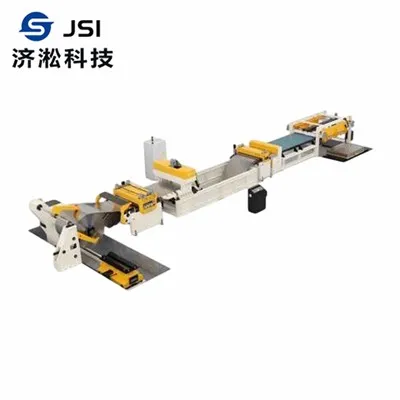
Operating a steel coil slitting line is a complex and potentially hazardous task that requires strict adherence to safety precautions. As a supplier of Steel Coil Slitting Line, I understand the importance of ensuring the safety of operators and the efficient operation of the equipment. In this blog post, I will discuss the key safety precautions that should be taken when operating a steel coil slitting line.
Pre - operation Safety Checks
Before starting the steel coil slitting line, a series of pre - operation safety checks must be carried out. First, inspect the entire slitting line for any visible signs of damage or wear. This includes checking the blades, rollers, and conveyor belts. Damaged components can not only affect the quality of the slitting process but also pose a significant safety risk. For example, a worn - out blade may break during operation, sending sharp fragments flying.
Next, verify the electrical and hydraulic systems. Check for loose wires, leaks, or abnormal noises. Electrical malfunctions can lead to short - circuits or electrocution, while hydraulic leaks can cause slippery floors and equipment failure. Ensure that all safety switches and emergency stop buttons are functioning properly. These are crucial safety features that can prevent accidents in case of an emergency.
Inspect the working environment as well. The area around the slitting line should be clean and free of debris. There should be sufficient lighting to ensure good visibility. Additionally, the floor should be non - slippery to prevent workers from slipping and falling. Make sure that there are no obstructions in the aisles and that all safety signs are clearly visible.
Personal Protective Equipment (PPE)
Personal protective equipment is essential for operators of a steel coil slitting line. First and foremost, safety glasses or goggles should be worn at all times. These protect the eyes from flying metal chips, dust, and debris generated during the slitting process. The glasses should have side shields to provide comprehensive protection.
Hearing protection is also necessary. The slitting line can produce high - decibel noise levels, which can cause permanent hearing damage over time. Earplugs or earmuffs should be worn to reduce the noise exposure.
Wear appropriate clothing. Loose - fitting clothes, jewelry, and long hair can get caught in the moving parts of the slitting line, leading to serious injuries. Workers should wear tight - fitting work clothes, and long hair should be tied back. Steel - toed boots are a must to protect the feet from heavy objects or falling metal pieces.
Gloves are another important piece of PPE. They protect the hands from cuts and abrasions when handling the steel coils and the slit strips. However, make sure that the gloves are not too loose, as they can also get caught in the machinery.


Safe Operation Procedures
During the operation of the steel coil slitting line, strict safe operation procedures should be followed. First, operators should be properly trained on how to use the equipment. They should understand the functions of all controls, the operating parameters, and the emergency procedures.
When loading the steel coils onto the slitting line, use proper lifting equipment. Cranes or forklifts should be operated by trained personnel. Make sure that the coils are securely fastened to prevent them from rolling or falling during the loading process.
Set the correct operating parameters for the slitting line. This includes the blade speed, feed rate, and slit width. Incorrect settings can lead to poor quality slitting and increase the risk of accidents. For example, if the blade speed is too high, it may cause the blade to overheat and break.
Keep a safe distance from the moving parts of the slitting line. Do not reach into the machine while it is running. If any adjustments or maintenance are required, stop the machine and follow the lock - out/tag - out procedure. This involves turning off the power, locking the switch, and tagging it to prevent unauthorized restart.
Maintenance and Inspection
Regular maintenance and inspection of the steel coil slitting line are crucial for safety. A maintenance schedule should be established and strictly followed. This includes lubricating the moving parts, checking the alignment of the blades, and replacing worn - out components.
During the maintenance process, use the correct tools and follow the manufacturer's instructions. Do not attempt to make any modifications to the equipment without proper authorization. Any changes to the equipment can affect its safety and performance.
Inspect the slitting line after each shift or at regular intervals. Look for any signs of abnormal wear, damage, or malfunction. Report any issues immediately to the maintenance department. Early detection and repair of problems can prevent more serious accidents from occurring.
Training and Education
All operators and maintenance personnel should receive regular training and education on safety. This includes initial training when they start working with the slitting line and refresher courses at regular intervals.
The training should cover all aspects of safety, including pre - operation checks, PPE usage, safe operation procedures, and emergency response. It should also include information on the potential hazards associated with the steel coil slitting line and how to prevent them.
In addition to the in - house training, workers should also be encouraged to stay updated on the latest safety standards and best practices in the industry. This can be achieved through attending safety seminars, reading industry publications, and participating in safety forums.
Special Considerations for Different Types of Slitting Lines
If you are operating Non - ferrous Metal Slitting Lines or High Speed Slitting Line, there are some special considerations. Non - ferrous metals such as aluminum and copper may have different physical properties compared to steel. The operating parameters and the blade selection may need to be adjusted accordingly.
High - speed slitting lines require even more strict safety precautions. The high speed of operation increases the risk of accidents. Operators should be especially vigilant when working with high - speed slitting lines. The equipment may also require more frequent maintenance to ensure its safe and efficient operation.
Conclusion
Operating a steel coil slitting line safely is of utmost importance. By following the pre - operation safety checks, wearing personal protective equipment, adhering to safe operation procedures, conducting regular maintenance and inspection, and providing proper training and education, the risk of accidents can be significantly reduced.
If you are in the market for a reliable and safe steel coil slitting line, our company is here to help. We offer a wide range of Steel Coil Slitting Line products, including Non - ferrous Metal Slitting Lines and High Speed Slitting Line. Our team of experts can provide you with professional advice and support to ensure that you choose the right equipment for your needs. Contact us today to start the procurement negotiation process and take your steel processing operations to the next level.
References
- Occupational Safety and Health Administration (OSHA) guidelines on industrial machinery safety.
- Manufacturer's operation and maintenance manuals for steel coil slitting lines.
- Industry research reports on safety in steel processing equipment.