


Slitting Line
JS Tech:Your Professional Slitting Line Manufacturer!
Dongguan JS Tech Limited is a stamping automation equipment manufacturer integrating R&D, manufacturing, sales and service. JS Tech originated in 2009. It takes the optimal stamping automation solution planning as the guide, combines the entire line control system with each automation equipment unit, and superimposes MES data connection ports to provide one-stop overall solutions for auto parts, household appliances, motors and other hardware stamping manufacturing companies.


Why Choose Us
Professional Team
Our company has a technical R&D team from well-known foreign companies, more than half of the staff have college degrees or above, using high technology to help customers achieve the best solution, customized automation equipment and the most efficient whole-line control. At the same time, it opens up the digital management channel for enterprise content for customers and connects the data of automated production lines to customers' all-round MES systems.
Our Products
15 years of in-depth research in the field of stamping automation has refined an efficient large-scale three-dimensional(3D) transfer system whole lines, an efficient and economical large-scale stamping press manipulator series line; robot tandem press series line; high-strength high-precision leveling blanking line; magnetic stacking blanking line; cutting line; swing shear line; zigzag blanking line; new and efficient big wind generator stator and rotor press line in the motor industry; continuous stacking and riveting high-speed stator and rotor stamping line; large 3-in-1 coil blanking line and other types of stamping automation unit equipment such as uncoiler, straightener, feeders and various types of manipulators.
Patented Technology
After 15 years of training, JS Tech's series of technologies are at the forefront of the industry, and have obtained invention patents and utility model patents for various production lines and excellent equipment in each unit. It also won the title of National High-tech Enterprise in 2024. JS Tech's exports a large number of products to Europe, and all products exported to Europe have obtained CE certification.
Product Application
JS Tech's products are widely used in Fortune 500 companies, various international listed companies, and well-known foreign companies; and it cooperates with large domestic and international stamping equipment manufacturers, including Yadon, YANGLI, Heduan(HFM), MINSTER, AIDA, etc.
Advantages of Slitting Line
Precision Cutting: Slitting lines provide precise and accurate cutting of metal coils into narrow strips with consistent widths. This level of precision ensures uniformity in the final product, reducing waste and improving overall product quality.
Increased Productivity: Slitting lines enable continuous and high-speed processing of metal coils, resulting in increased productivity compared to manual or slower cutting methods. They help manufacturers meet tight production schedules and deliver products on time.
Customization: Slitting lines allow for the customization of metal strip widths according to specific customer requirements. This flexibility enables manufacturers to cater to a wide range of industries and applications.
Reduced Material Waste: By accurately cutting metal coils into narrower strips, slitting lines minimize material waste. This not only saves costs but also contributes to sustainable manufacturing practices by optimizing material utilization.
Versatility: Slitting lines can handle various types of metal coils, including steel, aluminum, copper, and others. They are suitable for a wide range of industries, from automotive to construction and packaging.
Improved Efficiency: Automated slitting lines reduce manual intervention, leading to improved efficiency in the cutting process. The automation ensures consistent cutting results and reduces the risk of errors.
Quick Setup and Changeovers: Many modern slitting lines feature quick setup and changeover capabilities. This allows manufacturers to switch between different coil sizes and strip widths rapidly, reducing downtime and maximizing production uptime.
Edge Trim Removal: Slitting lines often come with edge trimming units, which remove the excess material from the edges of the coils. This results in cleaner and more precise strip edges.
Safety Features: Slitting lines are designed with safety features to protect operators and personnel during the cutting process. Safety interlocks, guards, and emergency stop systems ensure a safe working environment.
Quality Control: Slitting lines often include quality control systems that inspect the finished strips for defects or inconsistencies. This allows manufacturers to maintain high-quality standards and deliver defect-free products to customers.
Integration with Downstream Processes: Slitting lines can be integrated seamlessly with other production processes, such as roll forming, stamping, or coating lines, enabling a streamlined manufacturing workflow.
steel coil slitting line machine parameter
|
Items |
Parameter |
|
Material |
Q235 cold rolled and galvanized sheet; Q345 hot rolling pickling; Stainless steel |
|
Thickness range |
δ=0.3~3mm(for stainless steel max.processing thickness is 3.0mm) |
|
Width range |
400~1600mm |
|
Slitting accuracy |
Width ±0.15 mm |
|
Slitting speed |
100 m/min |
|
Uncoiler load-bearing |
≤20t |
|
Coil inner diameter |
¢500/610 mm |
|
Coil outer diameter |
≤¢1850 mm |
|
Slitting blade shaft size |
¢220 mm |
|
Slitting strips number(max) |
0.3-1.0mm: 25-16strips |
|
Slitting belting width(min) |
≥40 mm |
|
Slitting blade specification |
¢220×¢340×δ15mm |

Automotive Industry
Slitting lines in the automotive industry supply narrow metal strips used in the production of parts and components like body panels, frames, and exhaust parts. The precision and consistency of the strips are very vital in ensuring the structural integrity as well as the performance of every automotive part.
Construction Industry
Slitting lines play a major role in industries connected with construction by producing metal strips that will undergo further hot-dip galvanizing or coating to different building materials, such as roofing, siding, and structural beams. The adjustability of the width and thickness of strips makes the construction solutions versatile and effective.
Electrical and Electronics Industry
Slitting lines produce metal strips for use in electrical products such as transformers, motors, and connectors. These strips should be of high quality to ensure reliability and safety in electrical systems.
Packaging Industry
Strip produced through slitting lines is also fitted into metal bands or straps used in package applications. Their strength and durability ensure them for securing and transporting goods in perfect condition.
Appliance Manufacturing
Slitting lines in the appliance industry provide metal strips to be used in making appliances like refrigerators, washing machines, and ovens. The precision in strips obtained facilitates the correct fitting and functioning of parts within the appliances.
Components of Slitting Line
Uncoiler
This all starts at the uncoiler, which holds these large metal coils and unwinds them. It is designed for the weight and width of the coil to feed smoothly, under control, into the next process stage.
Leveler
The metal strip often passes through a leveler before slitting, to remove any curvature or unevenness. This will be a flat, straight strip that is critical in very precise results in slitting.
Slitter Head
At the very heart of the slitting line is a slitter head with rotary knives, which are used to cut the metal strip into narrower widths. The number of knives and their modulation set the production of strips of different widths in accordance with various customers’ requirements.
Tensioning Device
To maintain control over the metal strips during the slitting process, a tensioning device applies a consistent force, preventing any slack or misalignment.
Recoiler
After the metal strip has been slit into narrower strips, the recoiler rewinds them into coils. This component shall deal with several strips at a time by winding them up equally to later stages of in-process or shipment.
Edge Trimmers and Scrap Handling
Slitting produces excess material, generally referred to as scrap. Edge trimmers trim off the unwanted edges, and then scrap handing systems collect and remove this material efficiently.
Process Work of Slitting Line
Coil Feeding
At the start of the slitting line, a metal sheet in a wide coil is placed into the machine. These sheets are usually made of steel, aluminum, copper, and other metals.
Flattening
The sheet is passed through a straightening unit to eliminate any bending or deformation. This step ensures the metal is completely flat for the slitting process.
Slitting Process
The flattened sheet is cut into strips of the desired width by slitting knives. These knives cut the sheet along parallel lines, creating narrow coils or strips.
Rewinding
The cut strips are individually rewound into coils at the end of the slitting line. This process ensures that the cut strips are stored and transported properly.
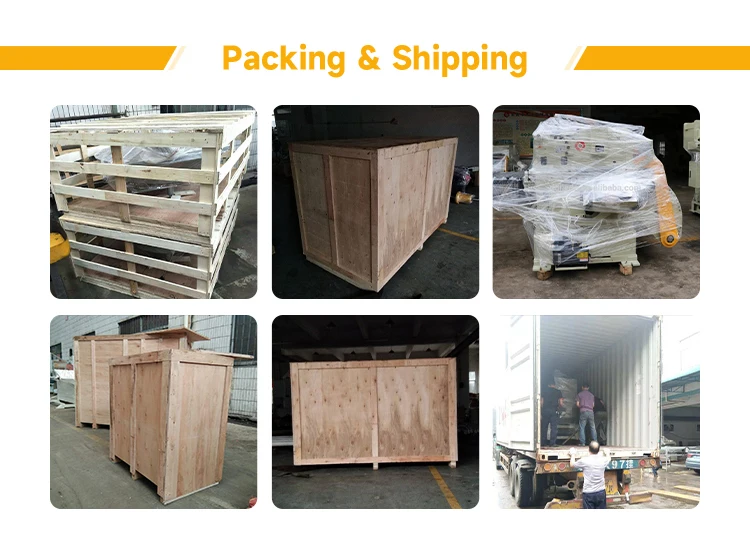
Packaging and Shipping
Our Certificates


FAQ