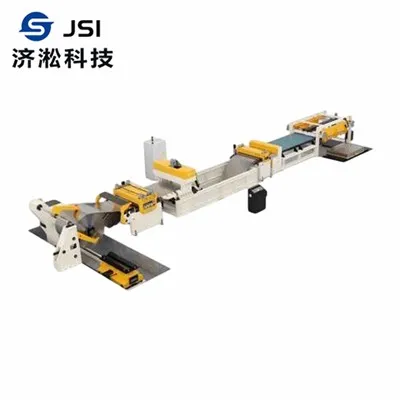
In the realm of industrial automation and material handling, the Zigzag Feeder stands out as a crucial component in various manufacturing processes. As a supplier of Zigzag Feeders, I've encountered numerous inquiries regarding its technical aspects, one of the most common being the feeding angle. In this blog, we'll delve deep into what the feeding angle of a Zigzag Feeder is, its significance, and how it impacts the overall performance of the feeder.
Understanding the Zigzag Feeder
Before we dive into the feeding angle, let's briefly introduce the Zigzag Feeder. A Zigzag Feeder is a specialized device designed to transport materials in a zigzag pattern. It is widely used in industries such as metal stamping, packaging, and electronics manufacturing. The feeder's unique design allows it to handle various materials, including sheets, strips, and coils, with high precision and efficiency.
What is the Feeding Angle?
The feeding angle of a Zigzag Feeder refers to the angle at which the material is fed into the feeder. It is typically measured between the horizontal plane and the path of the material as it enters the feeder. The feeding angle plays a crucial role in determining the feeder's performance, including its feeding accuracy, speed, and stability.
Significance of the Feeding Angle
- Feeding Accuracy: The feeding angle directly affects the accuracy of the material feeding. A proper feeding angle ensures that the material is fed smoothly and precisely into the feeder, reducing the risk of misfeeding or jamming. For example, if the feeding angle is too steep, the material may be fed too quickly, leading to inaccurate positioning. On the other hand, if the feeding angle is too shallow, the material may not be fed properly, resulting in feeding errors.
- Feeding Speed: The feeding angle also influences the feeding speed of the Zigzag Feeder. A steeper feeding angle generally allows for a higher feeding speed, as the material can be fed more quickly into the feeder. However, it's important to note that increasing the feeding speed too much may compromise the feeding accuracy. Therefore, finding the optimal feeding angle is crucial to achieving a balance between feeding speed and accuracy.
- Stability: The feeding angle affects the stability of the material during the feeding process. A proper feeding angle helps to keep the material in place and prevent it from shifting or vibrating. This is especially important when handling thin or flexible materials, which are more prone to instability. By maintaining a stable feeding angle, the Zigzag Feeder can ensure consistent and reliable feeding performance.
Factors Affecting the Feeding Angle
- Material Properties: The properties of the material being fed, such as its thickness, width, and flexibility, can significantly affect the optimal feeding angle. For example, thicker and stiffer materials may require a steeper feeding angle to ensure proper feeding, while thinner and more flexible materials may require a shallower feeding angle to prevent wrinkling or tearing.
- Feeder Design: The design of the Zigzag Feeder itself also plays a role in determining the feeding angle. Different feeder models may have different optimal feeding angles based on their mechanical structure, roller arrangement, and other design features. It's important to consult the feeder's user manual or contact the manufacturer for specific recommendations regarding the feeding angle.
- Process Requirements: The specific requirements of the manufacturing process can also influence the feeding angle. For example, if the process requires high-precision feeding, a shallower feeding angle may be preferred to ensure greater accuracy. On the other hand, if the process requires high-speed feeding, a steeper feeding angle may be necessary to achieve the desired speed.
Determining the Optimal Feeding Angle
Determining the optimal feeding angle for a Zigzag Feeder requires a combination of theoretical knowledge and practical experience. Here are some steps to help you find the optimal feeding angle:

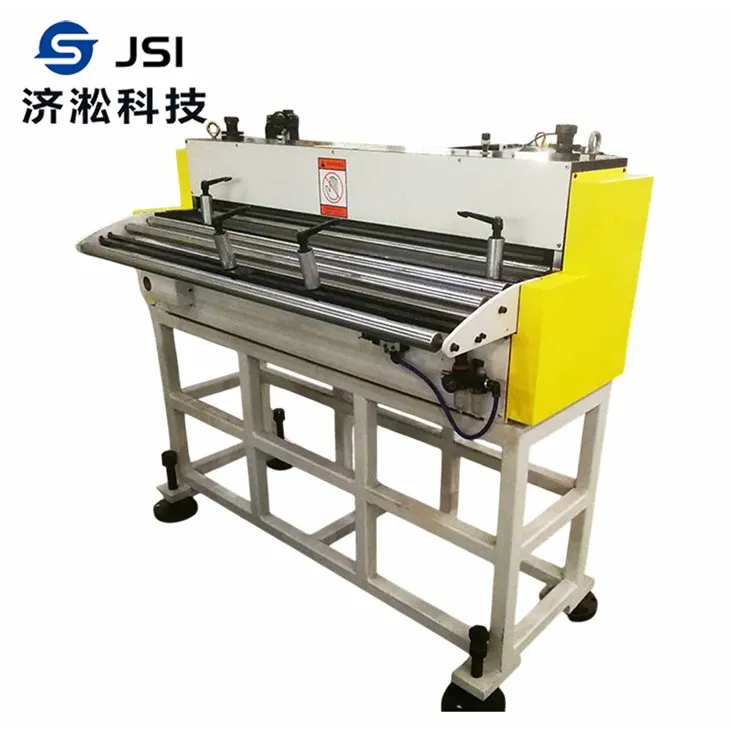
- Understand the Material: Start by understanding the properties of the material you'll be feeding. Consider factors such as thickness, width, flexibility, and surface finish. This will help you determine the general range of feeding angles that are suitable for the material.
- Refer to the Manufacturer's Recommendations: Consult the Zigzag Feeder's user manual or contact the manufacturer for specific recommendations regarding the feeding angle. The manufacturer may provide guidelines based on the feeder's design and the materials it is intended to handle.
- Conduct Tests: Conduct tests with different feeding angles to observe the feeder's performance. Start with a moderate feeding angle and gradually adjust it based on the test results. Pay attention to factors such as feeding accuracy, speed, and stability.
- Monitor and Adjust: Continuously monitor the feeder's performance during the production process and make adjustments to the feeding angle as needed. This will help you optimize the feeding angle based on the actual operating conditions and ensure consistent and reliable feeding performance.
Comparison with Other Feeders
In addition to the Zigzag Feeder, there are other types of feeders available in the market, such as the High Speed NC Servo Roll Feeder and the Thin Sheet NC Servo Feeder. Each type of feeder has its own unique features and advantages, and the feeding angle can vary depending on the feeder's design and application.
- High Speed NC Servo Roll Feeder: This type of feeder is designed for high-speed feeding applications. It typically uses a servo motor to drive the rollers, allowing for precise control of the feeding speed and position. The feeding angle of a High Speed NC Servo Roll Feeder is usually adjustable to accommodate different materials and process requirements.
- Thin Sheet NC Servo Feeder: As the name suggests, this feeder is specifically designed for handling thin sheets of material. It features a gentle feeding mechanism to prevent damage to the thin sheets. The feeding angle of a Thin Sheet NC Servo Feeder is often optimized to ensure smooth and accurate feeding of the thin materials.
Conclusion
In conclusion, the feeding angle of a Zigzag Feeder is a critical parameter that affects its performance in terms of feeding accuracy, speed, and stability. By understanding the significance of the feeding angle, considering the factors that affect it, and determining the optimal feeding angle based on the material properties, feeder design, and process requirements, you can ensure that your Zigzag Feeder operates at its best.
If you're in the market for a high-quality Zigzag Feeder or have any questions about the feeding angle or other technical aspects, feel free to contact us. Our team of experts is ready to assist you in finding the right feeder solution for your specific needs. Let's work together to improve your manufacturing process and achieve greater efficiency and productivity.
References
- Manufacturer's user manuals for Zigzag Feeders, High Speed NC Servo Roll Feeders, and Thin Sheet NC Servo Feeders.
- Industrial automation and material handling textbooks.
- Technical articles and research papers on feeder technology.