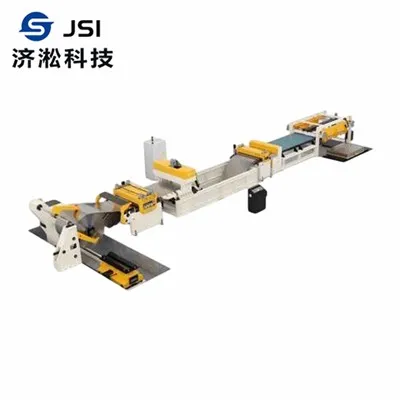
Hey there! As a supplier of slitting lines, I often get asked about how to adjust the cutting width on a slitting line. It's a crucial aspect that can significantly impact the quality and efficiency of your slitting operations. So, let's dive right in and explore the ins and outs of adjusting the cutting width.
Understanding the Basics of a Slitting Line
Before we start talking about adjusting the cutting width, let's quickly go over what a slitting line is. A slitting line is a machine used to cut wide coils of material, like steel or aluminum, into narrower strips. These strips are then used in various industries for different applications.
We offer a range of slitting lines, including the High Speed Slitting Line, Fully Automatic Slitting Line, and Steel Coil Slitting Line. Each of these has its own features and benefits, but the basic principle of adjusting the cutting width remains the same.
Why Adjust the Cutting Width?
There are several reasons why you might need to adjust the cutting width on your slitting line. Maybe you're working on a new project that requires a different strip width, or perhaps you're trying to optimize your production process to reduce waste. Whatever the reason, being able to adjust the cutting width accurately is essential for getting the best results.
Steps to Adjust the Cutting Width
Step 1: Determine the Desired Width
The first step is to figure out what width you want your strips to be. This will depend on your specific requirements, such as the end-use of the strips and the specifications of your project. Make sure to measure and double-check your measurements to ensure accuracy.
Step 2: Prepare the Slitting Line
Before you start making any adjustments, it's important to prepare the slitting line. This includes shutting down the machine and ensuring that it's in a safe state. You should also clean the cutting blades and inspect them for any signs of wear or damage. If the blades are worn out, it's a good idea to replace them before proceeding.
Step 3: Adjust the Spacers
Most slitting lines use spacers to control the cutting width. These spacers are placed between the cutting blades to determine the distance between them. To adjust the cutting width, you'll need to remove the existing spacers and replace them with ones that are the appropriate size.
When selecting the spacers, make sure they're the right thickness and material for your application. You can usually find spacers in a variety of sizes, so choose the ones that will give you the desired cutting width. Install the new spacers carefully, making sure they're properly aligned and secured.
Step 4: Check the Alignment
Once you've adjusted the spacers, it's crucial to check the alignment of the cutting blades. Misaligned blades can result in uneven cuts and poor-quality strips. Use a precision measuring tool to ensure that the blades are parallel and properly spaced.
If you find that the blades are misaligned, you'll need to make the necessary adjustments. This may involve loosening and tightening the mounting bolts or using shims to correct the alignment. Take your time and make small adjustments until you achieve the desired alignment.
Step 5: Test the Cutting Width
After you've adjusted the spacers and checked the alignment, it's time to test the cutting width. Start the slitting line and run a small test coil through the machine. Measure the width of the strips produced to see if they match your desired width.
If the strips are too wide or too narrow, you'll need to make further adjustments to the spacers or alignment. Repeat the testing process until you get the correct cutting width.
Tips for Adjusting the Cutting Width
- Use the Right Tools: Make sure you have the appropriate tools for the job, such as precision measuring instruments and wrenches. Using the right tools will make the adjustment process easier and more accurate.
- Follow the Manufacturer's Instructions: Every slitting line is different, so it's important to follow the manufacturer's instructions when making adjustments. This will ensure that you're making the correct adjustments and not causing any damage to the machine.
- Keep Records: It's a good idea to keep records of the adjustments you make, including the spacer sizes and alignment settings. This will help you troubleshoot any issues that may arise in the future and make it easier to reproduce the same cutting width for future projects.
- Train Your Operators: Proper training is essential for ensuring that your operators know how to adjust the cutting width correctly. Make sure your operators are familiar with the slitting line and the adjustment process, and provide them with ongoing training and support.
Common Challenges and How to Overcome Them
Adjusting the cutting width on a slitting line can sometimes be challenging, especially if you're new to the process. Here are some common challenges you may encounter and how to overcome them:


Uneven Cuts
If you're getting uneven cuts, it could be due to misaligned blades or worn-out spacers. Check the alignment of the blades and replace any worn-out spacers. You may also need to adjust the pressure on the cutting blades to ensure a consistent cut.
Strip Width Variation
Strip width variation can occur if the spacers are not installed correctly or if the cutting blades are not sharp enough. Make sure the spacers are properly aligned and tightened, and replace the cutting blades if they're dull.
Machine Vibration
Machine vibration can cause the cutting width to vary and affect the quality of the strips. Check the machine's foundation and make sure it's properly leveled. You may also need to adjust the tension on the coils to reduce vibration.
Conclusion
Adjusting the cutting width on a slitting line is an important skill that can help you improve the quality and efficiency of your slitting operations. By following the steps outlined in this blog post and using the tips and techniques provided, you'll be able to adjust the cutting width accurately and get the best results.
If you're in the market for a new slitting line or need any assistance with adjusting the cutting width on your existing machine, don't hesitate to reach out to us. We're here to help you find the right solution for your needs and ensure that you're getting the most out of your slitting line.
References
- Industry standards and guidelines for slitting line operation
- Manufacturer's manuals and documentation for slitting lines