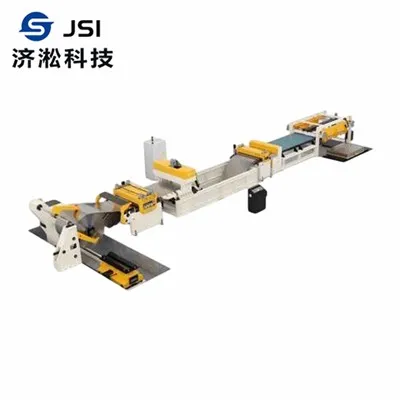
As a supplier of Zigzag Feeders, I often encounter inquiries about the feeding speed of these remarkable machines. Understanding the feeding speed is crucial for businesses looking to optimize their production processes, enhance efficiency, and ultimately increase their bottom line. In this blog post, I will delve into the concept of the feeding speed of a Zigzag Feeder, exploring the factors that influence it and how it can impact your manufacturing operations.
What is a Zigzag Feeder?
Before we discuss the feeding speed, let's briefly understand what a Zigzag Feeder is. A Zigzag Feeder is a type of material handling equipment used in various industries, such as stamping, punching, and metalworking. It is designed to feed sheet metal or other materials into a processing machine in a controlled and precise manner. The unique zigzag motion of the feeder allows for smooth and efficient feeding, reducing the risk of jams and ensuring consistent production.
Factors Affecting the Feeding Speed
The feeding speed of a Zigzag Feeder is influenced by several factors, each playing a significant role in determining how quickly and efficiently the machine can feed materials. Here are some of the key factors:
Material Type and Thickness
The type and thickness of the material being fed are perhaps the most important factors affecting the feeding speed. Different materials have different properties, such as stiffness, flexibility, and surface friction, which can impact how easily they can be fed through the feeder. Thicker materials generally require a slower feeding speed to ensure proper handling and prevent damage. For example, feeding a thick steel sheet will typically be slower than feeding a thin aluminum sheet.
Feeder Design and Configuration
The design and configuration of the Zigzag Feeder itself also play a crucial role in determining the feeding speed. Factors such as the size and shape of the feeding rollers, the tensioning system, and the overall mechanical structure can all affect how quickly and smoothly the material can be fed. A well-designed feeder with high-quality components and a precise adjustment mechanism will generally be able to achieve a higher feeding speed.
Machine Capacity and Power
The capacity and power of the feeder machine are important considerations when it comes to feeding speed. A feeder with a higher capacity and more powerful motor will be able to handle larger volumes of material and feed it at a faster rate. However, it's important to note that the feeding speed should be matched to the capabilities of the downstream processing machine to ensure optimal performance.
Operator Skill and Experience
The skill and experience of the operator can also have an impact on the feeding speed. A trained and experienced operator will be able to set up the feeder correctly, adjust the feeding speed and tension as needed, and troubleshoot any issues that may arise. This can help to ensure that the feeder operates at its maximum efficiency and achieves the desired feeding speed.
Measuring the Feeding Speed
The feeding speed of a Zigzag Feeder is typically measured in feet per minute (FPM) or meters per minute (MPM). To measure the feeding speed, you can use a tachometer or a speed sensor to determine the rotational speed of the feeding rollers. Once you know the rotational speed, you can calculate the linear feeding speed based on the diameter of the rollers and the pitch of the feeding mechanism.
Importance of Feeding Speed in Manufacturing
The feeding speed of a Zigzag Feeder is a critical factor in manufacturing operations, as it can have a significant impact on productivity, quality, and cost. Here are some of the key reasons why feeding speed is important:
Productivity
A higher feeding speed means that more material can be fed into the processing machine in a given amount of time, resulting in increased production output. This can help businesses to meet their production targets, reduce lead times, and increase their competitiveness in the market.
Quality
Maintaining a consistent feeding speed is essential for ensuring the quality of the finished product. A stable and uniform feeding speed helps to prevent material jams, misfeeds, and other issues that can lead to defects or inconsistencies in the final product. This can help to improve the overall quality of the manufacturing process and reduce the number of rejected parts.
Cost
By increasing the feeding speed and productivity, businesses can reduce their production costs per unit. This is because they can produce more parts in less time, using less labor and energy. Additionally, a higher feeding speed can help to reduce the wear and tear on the feeder and other equipment, resulting in lower maintenance costs over time.
Optimizing the Feeding Speed
To optimize the feeding speed of a Zigzag Feeder, it's important to consider all of the factors discussed above and make the necessary adjustments. Here are some tips to help you optimize the feeding speed:
Select the Right Feeder
Choose a Zigzag Feeder that is suitable for the type and thickness of the material you will be feeding. Consider the feeder's capacity, power, and design features to ensure that it can meet your production requirements.
Adjust the Feeder Settings
Properly adjust the feeder settings, such as the feeding speed, tension, and alignment, to ensure that the material is fed smoothly and consistently. Follow the manufacturer's instructions and use the appropriate tools and equipment to make the adjustments.
Train Your Operators
Provide comprehensive training to your operators on how to operate the Zigzag Feeder safely and efficiently. Make sure they understand the importance of maintaining a consistent feeding speed and how to troubleshoot any issues that may arise.
Regular Maintenance
Perform regular maintenance on the feeder to keep it in good working condition. This includes cleaning the feeding rollers, lubricating the moving parts, and checking for any signs of wear or damage. By keeping the feeder well-maintained, you can ensure that it operates at its maximum efficiency and achieves the desired feeding speed.
Related Products
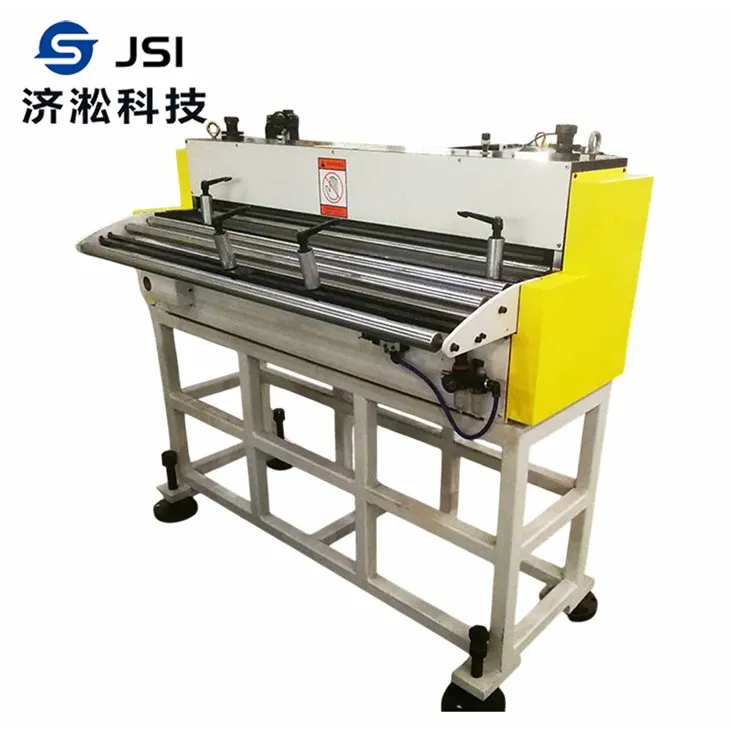
In addition to Zigzag Feeders, we also offer a range of other feeder machines, including Medium Sheet NC Servo Feeder, NC Feeder Machine, and Thin Sheet NC Servo Feeder. These products are designed to provide precise and efficient material feeding for a variety of applications.

Conclusion
The feeding speed of a Zigzag Feeder is a critical factor in manufacturing operations, as it can have a significant impact on productivity, quality, and cost. By understanding the factors that affect the feeding speed and taking the necessary steps to optimize it, businesses can improve their production efficiency, reduce costs, and enhance their competitiveness in the market. If you have any questions or need further information about Zigzag Feeders or our other feeder machines, please don't hesitate to contact us. We are here to help you find the right solution for your manufacturing needs.
References
- [List of relevant industry standards or technical manuals related to feeder machines]
- [Case studies or research papers on the impact of feeding speed on manufacturing processes]
- [Manufacturer's documentation for Zigzag Feeders and related products]