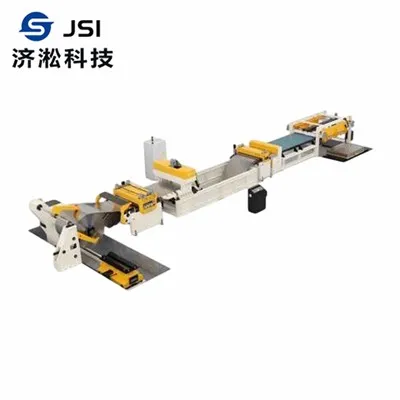
In the dynamic landscape of manufacturing and industrial operations, the demand for efficient and reliable equipment is ever - present. Among the essential machinery in this realm is the High Speed Gear Feeder. As a supplier of High Speed Gear Feeders, I often encounter a crucial question from our clients: Can High Speed Gear Feeder be used in a continuous operation mode? In this blog, I will delve into this topic, exploring the capabilities, limitations, and considerations of using a High Speed Gear Feeder in continuous operation.
Understanding High Speed Gear Feeders
Before we discuss continuous operation, it's important to understand what a High Speed Gear Feeder is. A High Speed Gear Feeder is a specialized machine designed to accurately and rapidly feed various materials, such as sheets, strips, or coils, into other processing equipment like presses, stamping machines, or cutting tools. The High Speed Gear Feeder operates through a gear - driven mechanism, which provides precise control over the feeding speed and distance.
The design of a High Speed Gear Feeder typically includes a set of gears, rollers, and a drive system. The gears transfer power from the motor to the rollers, which grip the material and move it forward at a consistent rate. This mechanism allows for high - speed and accurate feeding, making it ideal for applications where precision and efficiency are paramount.
Capabilities for Continuous Operation
One of the significant advantages of a High Speed Gear Feeder is its potential for continuous operation. Many modern High Speed Gear Feeders are engineered to handle long - term, non - stop production runs. Here are some factors that contribute to their suitability for continuous operation:
1. Robust Construction
High - quality High Speed Gear Feeders are built with durable materials and a sturdy frame. The gears, rollers, and other components are designed to withstand the wear and tear associated with continuous use. For example, the gears are often made of high - strength steel alloys that can handle high torque and repetitive motion without significant degradation. This robust construction ensures that the feeder can operate continuously for extended periods without frequent breakdowns.
2. Precision Engineering
Precision is a key feature of High Speed Gear Feeders. The gear - driven system provides accurate and consistent feeding, which is essential for continuous operation. Even during long production runs, the feeder can maintain a high level of precision, ensuring that each piece of material is fed at the correct speed and distance. This precision reduces waste and improves the overall quality of the finished products.
3. Cooling and Lubrication Systems
To prevent overheating and excessive wear during continuous operation, many High Speed Gear Feeders are equipped with cooling and lubrication systems. The cooling system helps to dissipate the heat generated by the moving parts, while the lubrication system reduces friction between the gears and rollers. These systems ensure that the feeder can operate at optimal temperatures and with minimal mechanical stress, even under continuous use.
Limitations and Considerations
While High Speed Gear Feeders have the potential for continuous operation, there are also some limitations and considerations that need to be taken into account:
1. Material Compatibility
The type of material being fed can affect the feeder's ability to operate continuously. Some materials, such as thin or brittle sheets, may require special handling to prevent damage during feeding. For example, a Thin Sheet Mechanical Feeder may be more suitable for handling thin materials in continuous operation, as it is designed to provide gentle and precise feeding. On the other hand, thicker or more rigid materials may require a Medium Sheet Mechanical Feeder to ensure proper gripping and feeding.
2. Maintenance Requirements
Continuous operation places additional stress on the High Speed Gear Feeder, which means that regular maintenance is crucial. Components such as the gears, rollers, and bearings need to be inspected and lubricated regularly to prevent premature wear. Failure to perform proper maintenance can lead to reduced performance, increased downtime, and even permanent damage to the feeder.
3. Heat Generation
Although cooling systems are in place, continuous operation can still generate a significant amount of heat. Excessive heat can affect the performance of the feeder and shorten the lifespan of its components. It is important to monitor the temperature of the feeder during continuous operation and take appropriate measures to ensure that it stays within the recommended range.
Applications for Continuous Operation
High Speed Gear Feeders are widely used in various industries for continuous operation. Here are some common applications:
1. Automotive Manufacturing
In the automotive industry, High Speed Gear Feeders are used to feed metal sheets into stamping presses for the production of car body parts. These presses often operate continuously to meet the high - volume demands of the automotive market. The High Speed Gear Feeder ensures that the metal sheets are fed accurately and at a high speed, improving the efficiency of the stamping process.


2. Electronics Manufacturing
In electronics manufacturing, High Speed Gear Feeders are used to feed circuit boards and other components into assembly machines. The continuous operation of these feeders allows for the mass production of electronic devices with high precision and consistency.
3. Packaging Industry
The packaging industry also benefits from the continuous operation of High Speed Gear Feeders. They are used to feed paper, cardboard, or plastic sheets into packaging machines, ensuring a steady supply of materials for the production of boxes, bags, and other packaging products.
Tips for Ensuring Successful Continuous Operation
If you plan to use a High Speed Gear Feeder in continuous operation, here are some tips to ensure its success:
1. Select the Right Feeder
Choose a High Speed Gear Feeder that is specifically designed for continuous operation and is suitable for your application. Consider factors such as the material type, feeding speed, and production volume.
2. Follow the Manufacturer's Recommendations
Adhere to the manufacturer's guidelines for installation, operation, and maintenance. This includes regular inspections, lubrication, and replacement of worn - out parts.
3. Monitor Performance
Regularly monitor the performance of the High Speed Gear Feeder during continuous operation. Check for any signs of abnormal noise, vibration, or temperature increase. Early detection of problems can prevent major breakdowns and reduce downtime.
Conclusion
In conclusion, High Speed Gear Feeders can be used in a continuous operation mode, thanks to their robust construction, precision engineering, and cooling and lubrication systems. However, it is important to consider the limitations and take appropriate measures to ensure successful continuous operation. By selecting the right feeder, following the manufacturer's recommendations, and monitoring performance, you can maximize the efficiency and lifespan of your High Speed Gear Feeder.
If you are interested in learning more about our High Speed Gear Feeders or have any questions regarding continuous operation, please feel free to contact us. We are here to provide you with the best solutions for your manufacturing needs and look forward to discussing potential partnerships and procurement opportunities with you.
References
- "Industrial Feeding Systems: Principles and Applications" - A comprehensive book on the design and operation of feeding systems, including High Speed Gear Feeders.
- Manufacturer's technical manuals for High Speed Gear Feeders, which provide detailed information on their features, specifications, and maintenance requirements.