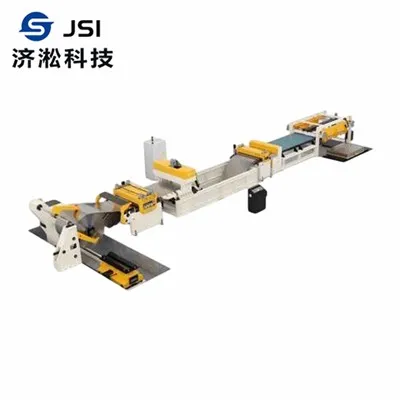
What is the noise level of a slitting line during operation?
As a seasoned supplier of slitting lines, I've encountered numerous inquiries regarding the noise levels generated during the operation of these essential industrial machines. Understanding the noise levels of a slitting line is crucial for several reasons, including compliance with workplace safety regulations, ensuring a comfortable working environment for employees, and minimizing the impact on surrounding areas. In this blog post, I'll delve into the factors that influence the noise levels of a slitting line, typical noise level ranges, and strategies for noise reduction.


Factors Influencing Noise Levels
The noise generated by a slitting line during operation is influenced by a variety of factors, including the type of slitting line, the materials being processed, the operating speed, and the condition of the equipment. Let's take a closer look at each of these factors:
- Type of Slitting Line: Different types of slitting lines, such as Steel Coil Slitting Line, Non-ferrous Metal Slitting Lines, and Coating Material Slitting Line, may produce varying noise levels. For example, a high-speed steel coil slitting line may generate more noise compared to a slower non-ferrous metal slitting line due to the increased mechanical stress and impact forces involved in processing steel coils.
- Materials Being Processed: The properties of the materials being slit, such as hardness, thickness, and surface finish, can also affect the noise levels. Harder materials generally require more force to cut, which can result in increased noise generation. Additionally, materials with rough surfaces or irregular shapes may cause more vibration and noise during the slitting process.
- Operating Speed: The operating speed of the slitting line is directly proportional to the noise levels. Higher speeds typically result in increased noise due to the greater mechanical forces and friction involved. Therefore, it's important to balance the need for productivity with the acceptable noise levels in the workplace.
- Equipment Condition: The condition of the slitting line equipment, including the blades, bearings, and drive systems, can significantly impact the noise levels. Worn or damaged components can cause increased vibration and noise, while proper maintenance and regular inspections can help minimize these issues.
Typical Noise Level Ranges
The noise levels of a slitting line during operation can vary widely depending on the factors mentioned above. However, in general, slitting lines typically produce noise levels in the range of 80 to 100 decibels (dB). To put this into perspective, a normal conversation typically occurs at around 60 dB, while a lawnmower can produce noise levels of up to 90 dB. Prolonged exposure to noise levels above 85 dB can cause hearing damage, so it's important to take appropriate measures to protect employees from excessive noise.
Strategies for Noise Reduction
To minimize the noise levels generated by a slitting line, several strategies can be implemented:
- Soundproof Enclosures: Installing soundproof enclosures around the slitting line can effectively reduce the noise levels by containing the sound within the enclosure. These enclosures are typically made of materials with high sound absorption properties, such as acoustic panels or fiberglass insulation.
- Vibration Isolation: Using vibration isolation mounts or pads can help reduce the transmission of vibration and noise from the slitting line to the surrounding environment. These mounts are designed to absorb and dampen the vibrations generated by the equipment, thereby reducing the noise levels.
- Regular Maintenance: As mentioned earlier, proper maintenance and regular inspections of the slitting line equipment are essential for minimizing noise levels. This includes sharpening or replacing worn blades, lubricating moving parts, and tightening loose bolts and connections.
- Operator Training: Providing proper training to operators on how to operate the slitting line safely and efficiently can also help reduce noise levels. This includes training on proper blade selection, feeding techniques, and speed control.
Importance of Noise Reduction
Reducing the noise levels of a slitting line is not only important for the health and safety of employees but also for compliance with workplace safety regulations. Many countries have strict regulations regarding noise exposure in the workplace, and failure to comply with these regulations can result in fines and legal consequences. Additionally, reducing noise levels can improve the overall working environment, increase employee productivity, and enhance the reputation of the company.
Conclusion
In conclusion, understanding the noise levels of a slitting line during operation is crucial for ensuring a safe and comfortable working environment. By considering the factors that influence noise levels, implementing appropriate noise reduction strategies, and providing proper training to operators, companies can minimize the impact of noise on their employees and the surrounding environment. If you're in the market for a slitting line or need assistance with noise reduction solutions, please don't hesitate to contact us. We're a leading supplier of high-quality slitting lines and can provide you with the expertise and support you need to make an informed decision.
References
- Occupational Safety and Health Administration (OSHA). (n.d.). Noise. Retrieved from [OSHA website]
- National Institute for Occupational Safety and Health (NIOSH). (n.d.). Noise and Hearing Loss Prevention. Retrieved from [NIOSH website]