In the dynamic world of manufacturing, the quest for efficiency, precision, and versatility in machinery is perpetual. As a leading supplier of transfer presses, I often encounter inquiries regarding the diverse applications of these powerful machines. One question that frequently arises is: "Can a transfer press be used for surface finishing operations?" In this blog post, I aim to delve into this query, exploring the capabilities of transfer presses in surface finishing, the associated benefits, and the considerations manufacturers should keep in mind.
Understanding Transfer Presses
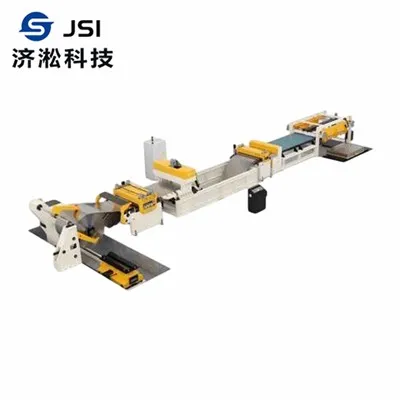
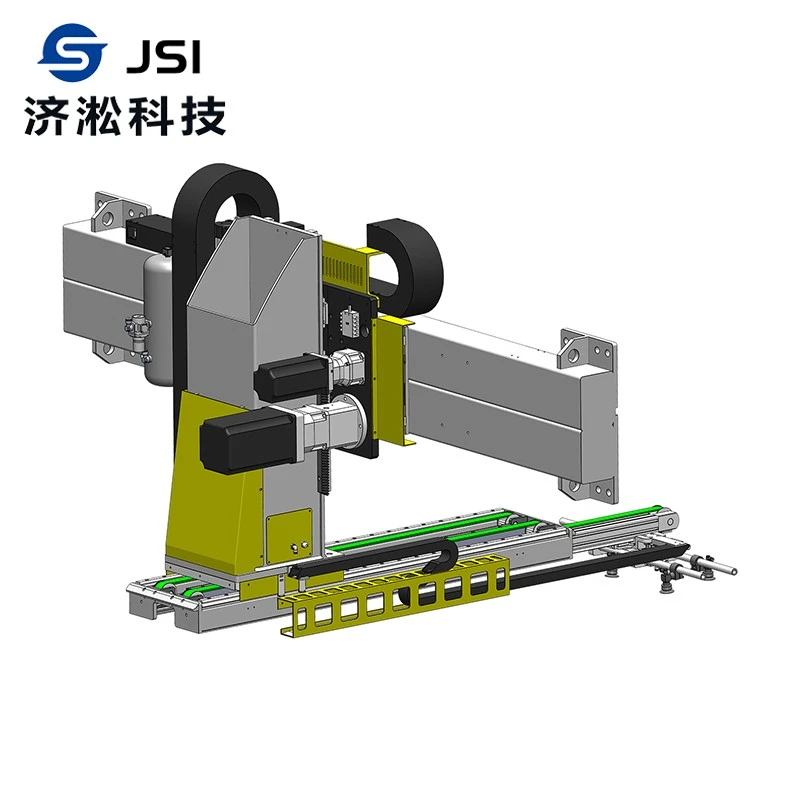
Before we discuss their potential in surface finishing, let's briefly understand what transfer presses are. A transfer press is a high - speed, automated machine used primarily for metal stamping and forming operations. It consists of a series of stations where different operations are performed on a workpiece as it is transferred from one station to the next. There are various types of transfer presses available in the market, such as the Integrated Loading and Unloading Transfer Press, 3D Transfer System, and Multi Press Transfer System. These systems are known for their high productivity, precision, and the ability to handle complex forming tasks.
Capabilities of Transfer Presses in Surface Finishing
Surface finishing is a crucial step in the manufacturing process as it not only enhances the appearance of the product but also improves its resistance to corrosion, wear, and other environmental factors. The question of whether transfer presses can be used for surface finishing is valid, and the answer is a qualified yes.
1. Coating Application
One of the ways transfer presses can contribute to surface finishing is through coating application. In a transfer press system, a coating station can be integrated into the production line. For example, a powder coating or a liquid paint coating can be applied to the metal parts as they move through the press. The precision of the transfer press ensures that the coating is applied evenly across the surface of the workpiece. This is particularly beneficial for mass - produced items where consistency in coating thickness and quality is essential.
2. Polishing and Buffing
Transfer presses can be equipped with polishing and buffing tools at specific stations. As the metal parts pass through these stations, the rotating polishing wheels or buffing pads can smooth the surface, removing any rough edges or burrs left from the stamping or forming process. This results in a shiny, smooth finish that is aesthetically pleasing and may also improve the functionality of the part. However, it is important to note that the design of the transfer press and the tooling must be carefully configured to ensure that the polishing and buffing operations are carried out effectively.
3. Deburring
Deburring is another critical surface finishing operation that can be performed on a transfer press. During the stamping and forming processes, burrs are often formed on the edges of the metal parts. A deburring station in the transfer press can use specialized tools, such as brushes or abrasive pads, to remove these burrs. This not only improves the appearance of the parts but also reduces the risk of injury during handling and assembly.
Benefits of Using Transfer Presses for Surface Finishing
There are several advantages to using transfer presses for surface finishing operations:
1. Increased Efficiency
By integrating surface finishing operations into the transfer press line, manufacturers can eliminate the need for separate finishing equipment and additional handling of the parts. This streamlines the production process, reduces cycle times, and increases overall productivity. For example, instead of transferring the parts from the stamping press to a standalone polishing machine, the polishing can be done directly on the transfer press, saving time and labor.
2. Consistent Quality
The automated nature of transfer presses ensures that the surface finishing operations are performed with a high degree of consistency. The same pressure, speed, and motion are applied to each part during the finishing process, resulting in uniform quality across all production runs. This is particularly important for industries where strict quality control standards must be met.
3. Cost - Effectiveness
Using transfer presses for surface finishing can be cost - effective in the long run. Since the finishing operations are integrated into the existing production line, there is no need to invest in separate finishing equipment, which can be expensive. Additionally, the reduced labor requirements and increased productivity lead to lower production costs per part.
Considerations for Using Transfer Presses in Surface Finishing
While transfer presses offer significant potential for surface finishing, there are several considerations that manufacturers should keep in mind:
1. Tooling Design
The tooling used for surface finishing operations on a transfer press must be carefully designed to match the specific requirements of the parts and the finishing process. For example, the polishing wheels or buffing pads must have the appropriate hardness, grit size, and shape to achieve the desired finish. The same applies to the coating application equipment, which must be calibrated to ensure accurate and consistent coating thickness.
2. Machine Capacity
Manufacturers need to ensure that the transfer press has sufficient capacity to handle the additional loads and forces associated with surface finishing operations. For example, if a heavy - duty polishing operation is required, the press must be able to support the weight and torque of the polishing tools without compromising its performance or accuracy.
3. Maintenance
Surface finishing operations can generate a significant amount of debris and waste, such as metal shavings from deburring or dust from polishing. This can have an impact on the performance and longevity of the transfer press. Regular maintenance, including cleaning, lubrication, and inspection of the press components, is essential to ensure its smooth operation and prevent premature wear and tear.
Case Studies
To illustrate the practical application of transfer presses in surface finishing, let's consider a few case studies.
Case Study 1: Automotive Component Manufacturer
An automotive component manufacturer was looking to improve the surface finish of its metal brackets. By integrating a powder coating station into its transfer press line, the company was able to apply a uniform coating to the brackets during the production process. This not only enhanced the appearance of the brackets but also improved their corrosion resistance. The automated nature of the transfer press ensured that the coating process was consistent across all parts, reducing the number of rejections due to uneven coating.

Case Study 2: Consumer Goods Manufacturer
A consumer goods manufacturer was producing metal casings for electronic devices. After the stamping process, the casings had rough edges and burrs. By adding a deburring and polishing station to its transfer press, the manufacturer was able to remove the burrs and achieve a smooth, polished finish on the casings. This improved the overall quality of the products and increased customer satisfaction.
Conclusion
In conclusion, transfer presses can indeed be used for surface finishing operations. With their ability to integrate coating application, polishing, buffing, and deburring stations, they offer manufacturers a viable solution for achieving high - quality surface finishes while maintaining high productivity and efficiency. However, careful consideration must be given to tooling design, machine capacity, and maintenance to ensure successful implementation.
If you are a manufacturer looking to enhance your surface finishing capabilities or integrate these operations into your existing production line, I encourage you to explore the potential of transfer presses. As a leading supplier of transfer presses, we have the expertise and experience to help you find the right solution for your specific needs. Contact us today to start a discussion about how our transfer presses can revolutionize your manufacturing process.
References
- "Metal Stamping and Forming Handbook" by John Doe
- "Surface Finishing Techniques in Manufacturing" by Jane Smith
- Industry reports on advanced manufacturing technologies and processes