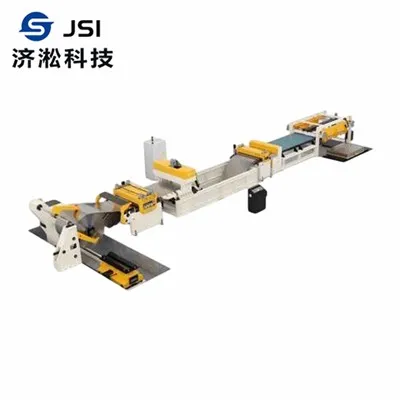
In the dynamic landscape of modern manufacturing, high speed blanking lines stand as a cornerstone of efficiency and precision. These systems are designed to transform coils of metal into precisely cut blanks at remarkable speeds, catering to a wide range of industries from automotive to electronics. At the heart of these high - performance machines lies the servo system, a technological marvel that plays a pivotal role in the overall operation of a high speed blanking line. As a seasoned supplier of high speed blanking lines, I am excited to delve into the intricacies of the servo system and its significance in this field.
Understanding the Basics of a High Speed Blanking Line
Before we explore the role of the servo system, it's essential to understand the fundamental components and functions of a high speed blanking line. A typical high speed blanking line consists of a coil feeding unit, a leveling unit, a blanking press, and a stacking unit. The process begins with the coil feeding unit, which unwinds the metal coil and feeds it into the leveling unit. The leveling unit straightens the metal strip, ensuring it is flat and ready for the blanking process. The blanking press then cuts the strip into individual blanks of the desired shape and size. Finally, the stacking unit arranges the blanks neatly for further processing or storage.
The efficiency and precision of a high speed blanking line depend on the seamless coordination of these components. Any disruption in the process can lead to reduced productivity, increased waste, and compromised quality. This is where the servo system comes into play.


The Role of the Servo System in a High Speed Blanking Line
1. Precise Motion Control
One of the primary functions of the servo system in a high speed blanking line is to provide precise motion control. The servo system consists of a servo motor, a controller, and a feedback device. The servo motor converts electrical energy into mechanical motion, while the controller regulates the motor's speed, torque, and position based on the input signals. The feedback device, such as an encoder, provides real - time information about the motor's actual position and speed, allowing the controller to make adjustments as needed.
In a high speed blanking line, precise motion control is crucial for accurate cutting and feeding of the metal strip. The servo system ensures that the feeding speed of the coil is synchronized with the operation of the blanking press. This synchronization prevents over - or under - feeding of the strip, which can result in misshapen blanks or damage to the equipment. For example, when cutting complex shapes, the servo system can adjust the speed and position of the strip in real - time to ensure that the cutting tool follows the exact contour of the design.
2. Speed Regulation
High speed blanking lines are designed to operate at extremely high speeds, often exceeding hundreds of strokes per minute. The servo system plays a vital role in regulating the speed of the various components in the line. It can quickly accelerate and decelerate the motors to match the production requirements.
During the blanking process, the servo system can adjust the speed of the blanking press to optimize the cutting force and minimize the wear on the cutting tools. For instance, when cutting thicker materials, the servo system can slow down the press to increase the cutting force, while for thinner materials, it can increase the speed to improve productivity. Additionally, the servo system can regulate the speed of the feeding unit to ensure a continuous and consistent supply of the metal strip to the press.
3. Synchronization of Components
As mentioned earlier, the efficiency of a high speed blanking line depends on the seamless synchronization of its components. The servo system acts as the conductor of an orchestra, ensuring that all the components work in harmony. It coordinates the operation of the coil feeding unit, the leveling unit, the blanking press, and the stacking unit.
For example, when the blanking press completes a stroke, the servo system signals the feeding unit to advance the metal strip by the appropriate distance for the next cut. It also synchronizes the movement of the leveling rollers to maintain the flatness of the strip during the feeding process. This synchronization not only improves the overall productivity of the line but also reduces the risk of mechanical failures and downtime.
4. Adaptive Control
In a real - world manufacturing environment, the properties of the metal coil, such as its thickness, hardness, and width, can vary. The servo system in a high speed blanking line is equipped with adaptive control capabilities, allowing it to adjust its operation based on these variations.
The servo system can sense changes in the load on the motors and adjust the torque and speed accordingly. For example, if the metal strip is thicker than expected, the servo system can increase the torque of the feeding motor to ensure smooth feeding. Similarly, if the hardness of the material affects the cutting process, the servo system can adjust the speed and force of the blanking press to maintain the quality of the blanks.
Types of High Speed Blanking Lines and the Servo System
There are several types of high speed blanking lines available in the market, each with its own unique features and requirements. Let's take a look at how the servo system is utilized in different types of blanking lines.
Multi Cut Precison Blanking Line
A Multi Cut Precison Blanking Line is designed to cut multiple blanks from a single strip simultaneously. This type of line requires a high level of precision and synchronization. The servo system in a multi - cut precision blanking line controls the movement of the cutting tools and the feeding of the strip to ensure that all the blanks are cut accurately and at the same time. It can adjust the position and speed of the tools to compensate for any variations in the strip's properties, resulting in high - quality blanks with tight tolerances.
3 in 1 Blanking Line
The 3 in 1 Blanking Line combines the functions of coil feeding, leveling, and blanking into a single unit. This integration simplifies the production process and reduces the footprint of the equipment. The servo system in a 3 in 1 blanking line is responsible for coordinating the operation of these three functions. It ensures that the coil is fed smoothly, the strip is leveled accurately, and the blanks are cut precisely. The servo system also allows for easy adjustment of the production parameters, making it suitable for a wide range of applications.
Laser Blanking Line
A Laser Blanking Line uses a laser cutting system to cut the metal strip into blanks. Laser blanking offers high precision and flexibility, allowing for the cutting of complex shapes. The servo system in a laser blanking line controls the movement of the laser head and the feeding of the strip. It enables the laser to follow the exact contour of the design with high accuracy. The servo system also adjusts the speed of the feeding unit to match the cutting speed of the laser, ensuring a continuous and efficient cutting process.
Conclusion and Call to Action
The servo system is an indispensable component of a high speed blanking line. It provides precise motion control, speed regulation, synchronization of components, and adaptive control, all of which are essential for achieving high - quality, efficient, and reliable production. As a supplier of high speed blanking lines, we understand the importance of the servo system and are committed to providing our customers with the latest and most advanced technology.
If you are in the market for a high speed blanking line or looking to upgrade your existing equipment, we invite you to contact us for a consultation. Our team of experts will work closely with you to understand your specific requirements and recommend the best solution for your business. Let's work together to take your manufacturing operations to the next level.
References
- Smith, J. (2018). Advanced Motion Control in Manufacturing. New York: Industrial Press.
- Brown, A. (2019). High Speed Blanking Technology. London: Manufacturing Insights.
- Johnson, R. (2020). Servo Systems in Industrial Automation. Chicago: Automation Today.