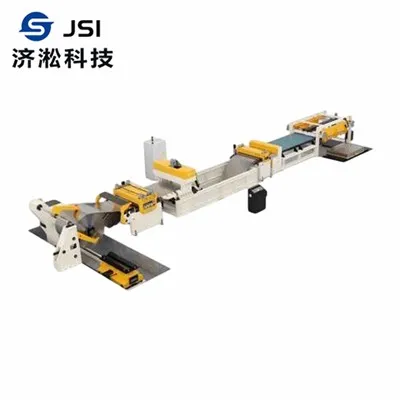
Hey there! As a supplier of Independent Manipulators, I often get asked about the power consumption of these nifty machines. So, I thought I'd sit down and write a blog post to shed some light on this topic.
Let's start by understanding what an Independent Manipulator is. An Independent Manipulator is a highly flexible and efficient piece of equipment used in various industrial applications, especially in the manufacturing and automotive sectors. It's designed to handle and transfer parts between different stations in a production line with precision and speed.
Now, when it comes to power consumption, it's not a one - size - fits - all answer. The power consumption of an Independent Manipulator can vary significantly based on several factors.
Factors Affecting Power Consumption
1. Size and Design
Bigger manipulators generally consume more power. If the manipulator has a large reach and a heavy - duty structure, it needs more energy to move its components. For example, a manipulator designed to handle large automotive parts will have more powerful motors and actuators compared to one used for smaller, lighter components. These larger motors require more electricity to operate, increasing the overall power consumption.
2. Operating Speed
The faster the manipulator moves, the more power it uses. When the manipulator is set to high - speed operation, the motors have to work harder to accelerate and decelerate the moving parts quickly. This increased workload on the motors leads to higher power consumption. On the other hand, if the manipulator is operating at a slower pace, it will use less power as the motors don't have to work as hard.
3. Load Capacity
The weight of the parts the manipulator is handling also plays a crucial role. If the manipulator is constantly carrying heavy loads, the motors need to generate more torque to lift and move the parts. This extra torque requires additional power. For instance, if a manipulator is used to transfer steel sheets in a metal stamping plant, it will consume more power compared to a manipulator handling plastic components of the same size.
4. Duty Cycle
The duty cycle refers to the amount of time the manipulator is in operation compared to the total time. A manipulator with a high duty cycle, meaning it's running almost continuously, will consume more power over a given period than one with a low duty cycle. For example, in a 24 - hour production shift, if a manipulator is operating for 20 hours non - stop, it will use more power than a manipulator that only runs for 5 hours.
Measuring Power Consumption
To measure the power consumption of an Independent Manipulator, we typically look at two main parameters:
1. Rated Power
The rated power is the maximum power the manipulator is designed to consume under normal operating conditions. This value is usually specified by the manufacturer and can be found in the product documentation. It gives an idea of the upper limit of power consumption. For example, a manipulator might have a rated power of 5 kW, which means it could potentially use up to 5 kilowatts of electricity when running at full capacity.
2. Actual Power Consumption
The actual power consumption can vary from the rated power depending on the factors we discussed earlier. To measure the actual power consumption, we can use power meters. These meters are installed in the electrical circuit of the manipulator and can provide real - time data on how much power the manipulator is using at any given moment. By monitoring the actual power consumption over time, we can get a better understanding of the manipulator's energy efficiency.
Reducing Power Consumption
As a supplier, we're always looking for ways to help our customers reduce the power consumption of their Independent Manipulators. Here are some strategies:
1. Optimize Operating Parameters
We can adjust the operating speed and acceleration settings of the manipulator to find the optimal balance between productivity and power consumption. By reducing the speed slightly or adjusting the acceleration and deceleration curves, we can often achieve significant energy savings without sacrificing too much in terms of production output.
2. Use Energy - Efficient Components
We offer manipulators with energy - efficient motors and actuators. These components are designed to use less power while still providing the necessary performance. For example, some motors use advanced control algorithms to adjust the power consumption based on the load, which can lead to substantial energy savings over time.
3. Implement Energy Management Systems
Energy management systems can be integrated with the manipulator to monitor and control its power consumption. These systems can automatically adjust the operating parameters based on the production schedule and the load requirements. For instance, if the production line is running at a lower capacity, the energy management system can reduce the power output of the manipulator accordingly.
Comparison with Other Transfer Systems
It's also interesting to compare the power consumption of Independent Manipulators with other transfer systems, such as the Independent Transfer System and the Multi Press Transfer System.
The Independent Transfer System is a more general - purpose transfer system that can be used in a variety of applications. While it shares some similarities with the Independent Manipulator, its power consumption can be different depending on its design and the specific application. In some cases, the Independent Transfer System might be more power - hungry if it has a more complex structure or is handling larger volumes of parts.


The Multi Press Transfer System, on the other hand, is designed for multi - press operations. It often has a more integrated design, which can sometimes lead to more efficient power usage. However, this also depends on the specific configuration and the operating conditions.
Conclusion
In conclusion, the power consumption of an Independent Manipulator is influenced by many factors, including size, operating speed, load capacity, and duty cycle. By understanding these factors and implementing energy - saving strategies, we can help our customers reduce their energy costs and improve the overall efficiency of their production lines.
If you're in the market for an Independent Manipulator or want to learn more about how to optimize the power consumption of your existing equipment, I'd love to have a chat. Feel free to reach out to us to start a discussion about your specific needs and how we can help you make the most of your investment.
References
- General knowledge in the field of industrial automation and robotics
- Product documentation of Independent Manipulators, Independent Transfer Systems, and Multi Press Transfer Systems