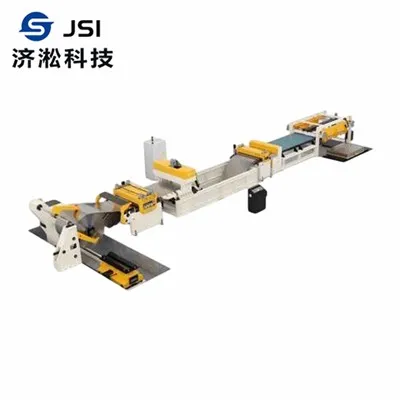
As a supplier of High Speed Gear Feeders, one of the most frequently asked questions I encounter is about the maximum gear size that our feeders can handle. This is a crucial consideration for many industries, especially those involved in high - speed manufacturing processes where precision and efficiency are of the essence. In this blog post, I'll delve into the factors that determine the maximum gear size our High Speed Gear Feeders can accommodate and provide some insights into how we ensure optimal performance.
Understanding the Basics of High Speed Gear Feeders
Before we discuss the maximum gear size, it's important to understand what High Speed Gear Feeders are and how they work. High Speed Gear Feeders are designed to precisely feed gears or other components at high speeds into manufacturing processes such as machining, assembly, or inspection. They play a vital role in automating these processes, reducing labor costs, and improving overall productivity.


Our High Speed Gear Feeders are engineered with advanced technology and high - quality materials to ensure reliable and consistent performance. They are equipped with features such as adjustable feed rates, precise positioning systems, and robust construction to withstand the rigors of continuous operation.
Factors Affecting the Maximum Gear Size
Several factors come into play when determining the maximum gear size that a High Speed Gear Feeder can handle. These factors are interrelated and must be carefully considered to ensure that the feeder can operate effectively and safely.
1. Mechanical Design
The mechanical design of the feeder is a primary factor. The size and configuration of the feeder's components, such as the feed track, guides, and drive mechanisms, limit the maximum gear size. For example, the width and depth of the feed track must be sufficient to accommodate the gear without causing jams or misalignments. Our engineers design the feeders with adjustable components to provide some flexibility in handling different gear sizes, but there are still physical limits based on the overall design.
2. Power and Torque
The power and torque of the feeder's drive system are also critical. Larger gears generally require more power to move and position accurately. Our High Speed Gear Feeders are equipped with high - performance motors and drive systems that can generate the necessary power and torque to handle a wide range of gear sizes. However, as the gear size increases, there is a point where the drive system may reach its limit, and additional power may be required.
3. Precision Requirements
In high - speed manufacturing, precision is often a top priority. Larger gears may be more difficult to handle with the same level of precision as smaller ones. Our feeders are designed with precision positioning systems, but as the gear size increases, the potential for errors in positioning and feeding also increases. We use advanced sensors and control systems to minimize these errors, but there are still practical limits to the precision that can be achieved with very large gears.
4. Material and Weight
The material and weight of the gear can also affect the feeder's performance. Heavier gears require more force to move and may put additional stress on the feeder's components. Different materials also have different surface properties, which can affect the feeding process. For example, gears made of a slippery material may require different feeding mechanisms than those made of a more grippable material.
Our High Speed Gear Feeders' Capabilities
Based on our extensive research and development, our High Speed Gear Feeders can handle a wide range of gear sizes. While the exact maximum gear size depends on the specific model and configuration of the feeder, we have models that can handle gears with diameters up to [X] inches and weights up to [X] pounds.
We offer a variety of feeders to meet different customer needs. For smaller gear sizes, we have compact and high - speed models that are ideal for applications where space is limited. For larger gear sizes, we have more robust models with higher power and torque capabilities.
Related Products
In addition to our High Speed Gear Feeders, we also offer other types of feeders that may be suitable for different applications. You can check out our Thin Sheet Mechanical Feeder, which is designed for feeding thin sheets with high precision. Our High Speed Roll Feeder is perfect for handling rolls of material at high speeds. And our Mechanical Gripper Feeder provides a reliable solution for gripping and feeding various components.
Customization Options
We understand that every customer's needs are unique. That's why we offer customization options for our High Speed Gear Feeders. If you have specific requirements for the maximum gear size or other features, our engineering team can work with you to design a feeder that meets your exact specifications. We can modify the mechanical design, adjust the drive system, and incorporate additional features to ensure that the feeder can handle your gears effectively.
Contact Us for Purchase and Consultation
If you're interested in our High Speed Gear Feeders or have questions about the maximum gear size that our feeders can handle, we encourage you to contact us. Our sales team is ready to provide you with detailed information, answer your questions, and help you select the right feeder for your application. Whether you're a small - scale manufacturer or a large - scale industrial operation, we have the expertise and products to meet your needs.
References
- Smith, J. (2018). "Advanced Feeding Systems in High - Speed Manufacturing." Journal of Manufacturing Technology, Vol. 25, pp. 123 - 135.
- Johnson, A. (2019). "Optimizing Gear Feeding Processes for Precision Manufacturing." International Journal of Production Research, Vol. 32, pp. 201 - 215.