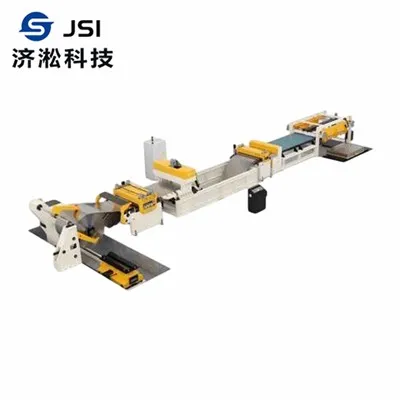
Power consumption is a critical aspect to consider when evaluating the efficiency and operational costs of industrial equipment, especially for high-speed blanking lines. As a leading supplier of high-speed blanking lines, we understand the significance of this factor for our customers. In this blog, we will delve into the power consumption of high-speed blanking lines, exploring the factors that influence it and how we, as a supplier, strive to optimize it.
Understanding High-Speed Blanking Lines
Before we discuss power consumption, let's briefly understand what a high-speed blanking line is. A high-speed blanking line is a specialized machine used in the metalworking industry to cut sheet metal into precise shapes and sizes at high speeds. These lines are essential for mass-producing metal parts for various industries, including automotive, aerospace, and electronics.
There are different types of high-speed blanking lines, each with its own unique features and applications. For instance, the Zigzag Blanking Line is designed to cut sheet metal in a zigzag pattern, allowing for efficient use of material and high production rates. The Multi Cut Precison Blanking Line is capable of making multiple cuts simultaneously, providing high precision and productivity. And the Laser Blanking Line uses laser technology to cut sheet metal, offering high flexibility and accuracy.
Factors Affecting Power Consumption
The power consumption of a high-speed blanking line is influenced by several factors, including the type of line, the size and thickness of the material being processed, the cutting speed, and the efficiency of the motors and other components.
- Type of Blanking Line: Different types of blanking lines have different power requirements. For example, a laser blanking line typically consumes more power than a mechanical blanking line due to the energy-intensive laser cutting process. On the other hand, a multi-cut precision blanking line may consume less power per part produced because it can make multiple cuts simultaneously, reducing the overall processing time.
- Material Size and Thickness: The size and thickness of the sheet metal being processed also have a significant impact on power consumption. Thicker and larger sheets require more force to cut, which in turn requires more power. For example, cutting a 10mm thick steel sheet will consume more power than cutting a 2mm thick sheet.
- Cutting Speed: The cutting speed is another important factor. Higher cutting speeds generally require more power because the machine has to work harder to cut through the material quickly. However, increasing the cutting speed can also increase productivity, so there is a trade-off between power consumption and production efficiency.
- Motor and Component Efficiency: The efficiency of the motors and other components in the blanking line also affects power consumption. High-efficiency motors and components can convert electrical energy into mechanical energy more effectively, reducing power waste. For example, using energy-efficient motors can significantly reduce the overall power consumption of the blanking line.
Measuring Power Consumption
To accurately measure the power consumption of a high-speed blanking line, we typically use power meters. These meters are installed at the main electrical input of the machine and can measure the real-time power consumption, as well as the total energy consumption over a period of time.
In addition to measuring the overall power consumption, we also analyze the power consumption of individual components, such as the motors, hydraulic systems, and control panels. This allows us to identify any components that are consuming more power than necessary and take appropriate measures to optimize their performance.
Optimizing Power Consumption
As a supplier of high-speed blanking lines, we are committed to helping our customers reduce their power consumption and operating costs. Here are some of the ways we achieve this:
- Energy-Efficient Design: We use advanced design techniques and materials to optimize the energy efficiency of our blanking lines. For example, we design our machines with lightweight components to reduce the overall weight and inertia, which in turn reduces the power required to move the machine. We also use high-efficiency motors and drives to minimize power losses.
- Intelligent Control Systems: Our blanking lines are equipped with intelligent control systems that can automatically adjust the cutting speed, pressure, and other parameters based on the material being processed. This ensures that the machine operates at the optimal efficiency, reducing power consumption without sacrificing productivity.
- Regular Maintenance: Regular maintenance is essential for ensuring the efficient operation of the blanking line. We provide our customers with detailed maintenance schedules and instructions to help them keep their machines in good condition. By regularly cleaning, lubricating, and inspecting the components, we can prevent wear and tear, which can lead to increased power consumption.
- Training and Support: We offer comprehensive training and support to our customers to help them operate their blanking lines efficiently. Our training programs cover topics such as machine operation, maintenance, and energy management. We also provide on-site support and technical assistance to help our customers resolve any issues they may encounter.
Case Study: Reducing Power Consumption
To illustrate the effectiveness of our power optimization measures, let's look at a case study. One of our customers, a large automotive parts manufacturer, was experiencing high power consumption in their high-speed blanking line. After conducting a detailed analysis of their machine, we identified several areas where power consumption could be reduced.
We recommended several improvements, including upgrading the motors to energy-efficient models, optimizing the cutting parameters, and implementing an intelligent control system. After implementing these improvements, the customer was able to reduce their power consumption by 20% without sacrificing productivity. This not only saved them a significant amount of money on their energy bills but also reduced their environmental impact.
Conclusion
Power consumption is a crucial factor to consider when investing in a high-speed blanking line. By understanding the factors that affect power consumption and taking appropriate measures to optimize it, you can reduce your operating costs and improve the efficiency of your production process.
As a leading supplier of high-speed blanking lines, we have the expertise and experience to help you choose the right machine for your needs and optimize its power consumption. Our energy-efficient designs, intelligent control systems, and comprehensive support services ensure that you get the most out of your investment.
If you are interested in learning more about our high-speed blanking lines and how we can help you reduce your power consumption, please contact us for a consultation. We look forward to working with you to achieve your production goals.


References
- "Handbook of Metal Forming" by George E. Dieter
- "Power Electronics: Converters, Applications, and Design" by Ned Mohan, Tore M. Undeland, and William P. Robbins
- Industry reports on high-speed blanking line technology and energy efficiency