Hey there! As a supplier of transfer presses, I often get asked about the difference between transfer presses and traditional presses. In this blog post, I'll break down the key distinctions, so you can make an informed decision when it comes to choosing the right equipment for your manufacturing needs.
How Traditional Presses Work
Let's start with traditional presses. These are the workhorses of the manufacturing world that have been around for ages. A traditional press typically consists of a frame, a ram, and a die. The ram moves up and down, applying force to the die, which shapes the material placed between them. This process is great for simple, high - volume stamping operations.
For example, if you're making basic metal parts like washers or brackets, a traditional press can churn out thousands of identical pieces in a relatively short time. They're reliable and straightforward, with a long - established operating principle. However, they do have their limitations.
One of the biggest drawbacks of traditional presses is their lack of flexibility. Once you set up a die for a specific part, it's difficult and time - consuming to change it for a different one. You need to disassemble and reassemble the press, which can take hours or even days, depending on the complexity of the setup. This means that if you have a small batch production or need to switch between different part designs frequently, traditional presses can be a real headache.
The Lowdown on Transfer Presses
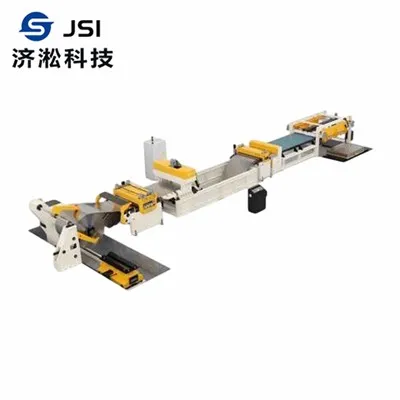
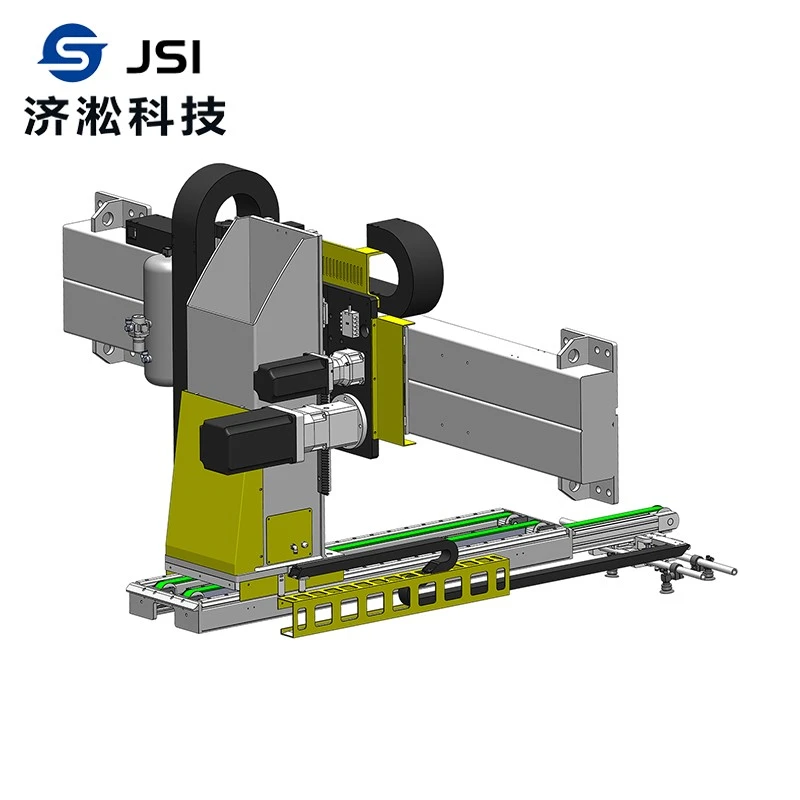
Now, let's talk about transfer presses. A transfer press is a more advanced type of press that uses a transfer system to move the workpiece from one station to another during the manufacturing process. There are different types of transfer systems, such as the 3D Transfer System, Multi Press Transfer System, and Independent Transfer System.
The transfer system in a transfer press allows for multiple operations to be performed on a single workpiece in a continuous sequence. For instance, you can cut, form, punch, and bend a metal sheet all in one pass through the press. This not only increases the efficiency of the manufacturing process but also improves the accuracy and quality of the final product.
One of the key advantages of transfer presses is their flexibility. Unlike traditional presses, transfer presses can be easily reconfigured for different part designs. You can change the tooling at each station relatively quickly, allowing you to switch between different production runs with minimal downtime. This makes transfer presses ideal for small - to - medium - batch production and for companies that need to respond quickly to changing market demands.
Efficiency Comparison
When it comes to efficiency, transfer presses have a clear edge over traditional presses. In a traditional press, each operation is performed separately, and the workpiece has to be manually moved from one press to another. This not only takes time but also increases the risk of errors and inconsistencies in the final product.
In a transfer press, the transfer system automates the movement of the workpiece between stations. This reduces the cycle time significantly, as the press can perform multiple operations simultaneously. For example, while one station is cutting the material, another station can be forming it, and yet another can be punching holes. This parallel processing capability allows transfer presses to produce parts at a much faster rate than traditional presses.
Quality and Precision
Quality and precision are crucial in manufacturing, and transfer presses excel in these areas. The automated transfer system ensures that the workpiece is accurately positioned at each station, reducing the chances of misalignment and errors. This results in parts that have a higher degree of accuracy and consistency.
In traditional presses, the manual handling of the workpiece between operations can lead to variations in the final product. Even a small misalignment can cause defects in the part, which may require additional processing or even rejection. Transfer presses eliminate these issues by providing a more controlled and precise manufacturing environment.
Cost Considerations
Of course, cost is an important factor when choosing between a transfer press and a traditional press. Traditional presses are generally less expensive to purchase initially. They have a simpler design and fewer components, which makes them more affordable for small businesses or those with a limited budget.

However, when you consider the long - term costs, transfer presses can be a more cost - effective option. The increased efficiency and reduced downtime of transfer presses mean that you can produce more parts in less time, which translates into higher productivity and lower labor costs. Additionally, the higher quality of the parts produced by transfer presses can reduce the number of rejected parts and the need for rework, further saving you money in the long run.
Which One Should You Choose?
So, which type of press is right for you? If you have a high - volume production of simple parts and don't need to change the part design frequently, a traditional press may be a good choice. It's a tried - and - true technology that can provide reliable performance at a relatively low cost.
On the other hand, if you need flexibility, high efficiency, and superior quality, a transfer press is the way to go. Whether you're involved in small - batch production, prototyping, or need to quickly adapt to market changes, a transfer press can give you the competitive edge you need.
If you're interested in learning more about transfer presses or are considering purchasing one for your manufacturing facility, I'd love to have a chat with you. We can discuss your specific requirements and see how our transfer presses can meet your needs. Don't hesitate to reach out and start the conversation about how we can help take your manufacturing process to the next level.
References
- Metal Forming Handbook: A Practical Guide for the Metalworking Industry
- Manufacturing Engineering and Technology by Serope Kalpakjian and Steven Schmid