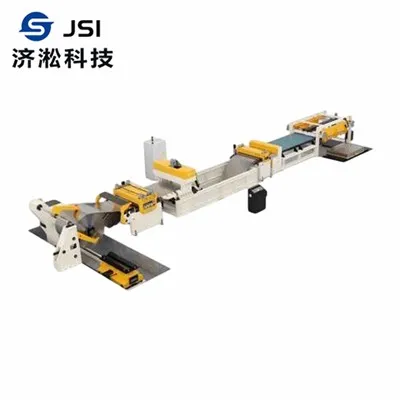
Hey there! If you're in the metal processing industry, you know how crucial a steel coil slitting line is. It's like the heart of your operation, turning big coils of steel into smaller, more manageable strips. But let's face it, electrical problems can pop up out of nowhere and throw a wrench in your workflow. As a supplier of Steel Coil Slitting Line, I've seen my fair share of these issues. So, in this blog, I'm gonna share some tips on how to troubleshoot electrical problems in a steel coil slitting line.
Understanding the Basics
First things first, you gotta have a basic understanding of how the electrical system in your slitting line works. It's not as complicated as it sounds. The electrical system in a slitting line is responsible for powering all the motors, sensors, and controls that make the machine run. It includes things like circuit breakers, contactors, relays, and PLCs (Programmable Logic Controllers).
When there's an electrical problem, it could be a simple issue like a blown fuse or a more complex problem with the PLC. That's why it's important to have a good understanding of the system so you can quickly identify and fix the problem.
Common Electrical Problems and How to Fix Them
Blown Fuses
Blown fuses are one of the most common electrical problems in a slitting line. Fuses are designed to protect the electrical system from overcurrent. When there's too much current flowing through the circuit, the fuse will blow, cutting off the power to prevent damage to the equipment.
To fix a blown fuse, you first need to identify which fuse has blown. Most slitting lines have a fuse box where all the fuses are located. Look for a fuse that has a broken filament inside. Once you've found the blown fuse, replace it with a new one of the same rating. Make sure to turn off the power before replacing the fuse to avoid getting shocked.
Faulty Contactors
Contactors are used to control the flow of electricity to the motors in the slitting line. Over time, the contacts in the contactor can wear out or become dirty, causing the contactor to malfunction.
If you suspect a faulty contactor, you can test it using a multimeter. Set the multimeter to the resistance setting and measure the resistance across the contacts. If the resistance is very high or infinite, it means the contacts are open and the contactor is faulty. In this case, you'll need to replace the contactor.
Sensor Problems
Sensors are used in the slitting line to detect the position of the steel coil, the speed of the motors, and other important parameters. If a sensor is not working properly, it can cause the slitting line to malfunction.
To troubleshoot sensor problems, you first need to check the wiring to make sure it's connected properly. Then, you can use a sensor tester to check if the sensor is working. If the sensor is faulty, you'll need to replace it.


PLC Issues
PLCs are the brains of the slitting line. They control all the functions of the machine based on the input from the sensors and the user's commands. If there's a problem with the PLC, it can cause the slitting line to stop working or operate incorrectly.
To troubleshoot PLC issues, you need to have a good understanding of how the PLC works. You can use a PLC programming software to check the program and look for any errors. You can also use a diagnostic tool to check the status of the PLC's inputs and outputs. If you're not familiar with PLC programming, it's best to call in a professional to help you.
Preventive Maintenance
Preventive maintenance is key to avoiding electrical problems in your slitting line. Here are some tips to keep your electrical system in good condition:
- Regular Inspections: Conduct regular inspections of the electrical system to look for any signs of wear and tear, loose connections, or other problems.
- Cleaning: Keep the electrical components clean to prevent dust and dirt from accumulating. This can cause overheating and other problems.
- Lubrication: Some electrical components, such as motors and bearings, require lubrication. Make sure to follow the manufacturer's recommendations for lubrication.
- Training: Train your employees on how to operate and maintain the slitting line properly. This can help prevent electrical problems caused by operator error.
When to Call in a Professional
While you can troubleshoot some electrical problems on your own, there are times when it's best to call in a professional. Here are some situations where you should seek professional help:
- Complex Problems: If you're not sure how to fix a problem or if it's a complex issue, it's best to call in a professional. They have the knowledge and experience to diagnose and fix the problem quickly.
- Safety Concerns: Electrical work can be dangerous. If you're not comfortable working with electricity or if you're not sure how to safely troubleshoot a problem, it's best to call in a professional.
- Warranty Issues: If your slitting line is still under warranty, it's important to have any electrical problems fixed by a professional authorized by the manufacturer. This will ensure that your warranty remains valid.
Conclusion
Troubleshooting electrical problems in a steel coil slitting line can be a challenge, but with the right knowledge and tools, you can quickly identify and fix the problem. Remember to always follow safety procedures when working with electricity and to conduct regular preventive maintenance to keep your slitting line in good condition.
If you're in the market for a new High Speed Slitting Line or Non-ferrous Metal Slitting Lines, or if you have any questions about troubleshooting electrical problems in your existing slitting line, don't hesitate to reach out. We're here to help you keep your operation running smoothly.
References
- Electrical Troubleshooting Handbook for Industrial Equipment
- Steel Coil Slitting Line User Manual