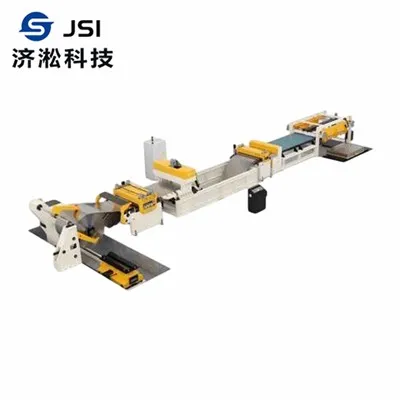
The maximum width of material a blanking line can handle is a critical factor for manufacturers across various industries. As a leading supplier of blanking lines, we understand the importance of this specification and its impact on production efficiency, flexibility, and overall cost-effectiveness. In this blog post, we'll explore the factors that determine the maximum width capacity of a blanking line, the types of blanking lines available, and how to choose the right width for your specific manufacturing needs.
Factors Affecting the Maximum Width of a Blanking Line
Several key factors influence the maximum width of material a blanking line can process. Understanding these factors is essential for making informed decisions when selecting a blanking line for your production facility.
Machine Design and Construction
The physical design and construction of the blanking line play a significant role in determining its maximum width capacity. The frame, rollers, and other components must be engineered to support the weight and dimensions of the material being processed. A robust and well-designed frame can withstand the forces generated during the blanking process, ensuring stable and accurate operation even with wider materials.
Feeding System
The feeding system of a blanking line is responsible for delivering the material to the cutting station. The width of the feeding system, including the width of the conveyor belts, guides, and rollers, limits the maximum width of the material that can be fed into the line. A wider feeding system allows for the processing of broader materials, but it also requires more space and may increase the cost of the equipment.
Cutting Mechanism
The cutting mechanism, such as the die and punch, also affects the maximum width of the blanking line. The size and design of the die determine the maximum width of the blanks that can be cut from the material. A larger die can accommodate wider materials, but it may also require a more powerful press and increase the complexity of the cutting process.
Material Properties
The properties of the material being processed, such as its thickness, hardness, and ductility, can also impact the maximum width capacity of the blanking line. Thicker and harder materials require more force to cut, which may limit the width of the material that can be processed. Additionally, materials with poor ductility may be more prone to cracking or deformation during the blanking process, especially when processing wider materials.
Types of Blanking Lines and Their Width Capacities
There are several types of blanking lines available on the market, each with its own maximum width capacity and features. Here are some of the most common types of blanking lines and their typical width capabilities:


Zigzag Blanking Line
A Zigzag Blanking Line is designed to cut blanks in a zigzag pattern, which allows for the efficient use of material and reduces waste. These lines are typically used for processing thin to medium-thickness materials, such as sheet metal and aluminum. The maximum width capacity of a zigzag blanking line can range from a few hundred millimeters to over two meters, depending on the specific model and design.
Multi Cut Precison Blanking Line
Multi Cut Precison Blanking Line are capable of making multiple cuts simultaneously, which increases the production speed and efficiency. These lines are often used for high-volume production of small to medium-sized blanks. The maximum width capacity of a multi-cut precision blanking line can vary widely, but it is typically in the range of 500 mm to 1500 mm.
High Speed Blanking Line
High Speed Blanking Line are designed for rapid production of blanks, with cutting speeds of up to several hundred strokes per minute. These lines are commonly used in industries such as automotive, electronics, and appliance manufacturing, where high-volume production is required. The maximum width capacity of a high-speed blanking line can range from 300 mm to over 2000 mm, depending on the model and configuration.
Choosing the Right Width for Your Manufacturing Needs
Selecting the appropriate maximum width for your blanking line is crucial for ensuring optimal production efficiency and cost-effectiveness. Here are some factors to consider when choosing the width of your blanking line:
Production Requirements
Consider your current and future production requirements, including the volume of blanks you need to produce, the size and shape of the blanks, and the types of materials you will be processing. If you plan to process a wide range of material widths, you may need a blanking line with a larger maximum width capacity to accommodate different production needs.
Space Constraints
Evaluate the available space in your production facility. A wider blanking line requires more floor space, so make sure you have enough room to install and operate the equipment. Additionally, consider the accessibility of the equipment for maintenance and servicing.
Budget
The cost of a blanking line increases with its maximum width capacity. Determine your budget and balance it against your production requirements. It's important to invest in a high-quality blanking line that meets your needs, but you also don't want to overspend on features you don't require.
Flexibility
Look for a blanking line that offers some degree of flexibility in terms of width capacity. Some blanking lines can be configured to process different widths of materials by adjusting the feeding system, die, or other components. This flexibility allows you to adapt to changing production requirements and process a wider range of materials.
Conclusion
The maximum width of material a blanking line can handle is determined by several factors, including machine design, feeding system, cutting mechanism, and material properties. There are different types of blanking lines available, each with its own width capabilities and features. When choosing a blanking line, it's important to consider your production requirements, space constraints, budget, and flexibility needs.
As a trusted supplier of blanking lines, we have the expertise and experience to help you select the right equipment for your specific application. Our team of engineers can work with you to understand your needs and recommend the best blanking line solution for your production facility. If you're interested in learning more about our blanking lines or discussing your requirements, please contact us to start a procurement discussion. We look forward to helping you improve your production efficiency and achieve your manufacturing goals.
References
- "Blanking Line Technology and Applications" - Industry Report
- "Advanced Manufacturing Processes for Sheet Metal" - Textbook
- "Material Science and Engineering in Blanking Operations" - Research Paper