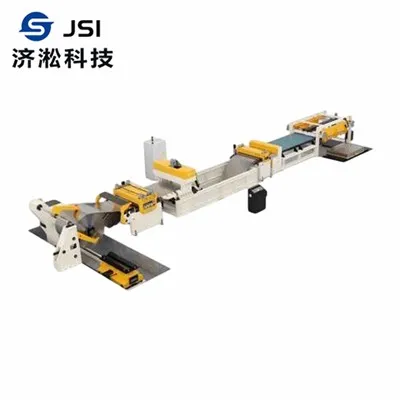
Hey there! As a slitting line supplier, I know how crucial it is to keep an eye on the operation status of a slitting line. In this blog, I'll share some practical tips on how to monitor a slitting line effectively.
Why Monitor a Slitting Line?
First off, let's talk about why monitoring a slitting line is so important. A slitting line is a complex piece of equipment used to cut large coils of metal or other materials into narrower strips. Any issues with its operation can lead to poor-quality products, production delays, and even safety hazards. By monitoring the slitting line, you can detect problems early, prevent breakdowns, and ensure consistent production quality.
Key Parameters to Monitor
1. Speed and Tension
The speed at which the slitting line operates and the tension applied to the material are two critical parameters. If the speed is too high or too low, it can affect the cutting quality. Similarly, incorrect tension can cause the material to wrinkle or break. You can monitor these parameters using sensors installed on the line. For example, speed sensors can measure the rotational speed of the rollers, while tension sensors can detect the force applied to the material.
2. Temperature
Overheating is a common problem in slitting lines, especially in the cutting blades and motors. High temperatures can cause premature wear and tear, reduce the lifespan of the equipment, and even lead to fires. To prevent this, you should monitor the temperature of critical components using thermal sensors. If the temperature exceeds a certain threshold, you can take immediate action, such as adjusting the cooling system or shutting down the line.
3. Vibration
Excessive vibration can indicate mechanical problems in the slitting line, such as loose parts, misaligned components, or worn-out bearings. You can use vibration sensors to detect abnormal vibrations. By analyzing the vibration patterns, you can identify the source of the problem and take corrective measures before it causes serious damage.
4. Cutting Quality
The quality of the cut is the most important indicator of a slitting line's performance. You can visually inspect the cut strips for any signs of defects, such as burrs, uneven edges, or scratches. Additionally, you can use measuring tools, such as calipers or micrometers, to check the width and thickness of the strips. If the cutting quality is not up to standard, you may need to adjust the cutting blades or the settings of the slitting line.
Monitoring Systems
To effectively monitor the operation status of a slitting line, you need a reliable monitoring system. There are several types of monitoring systems available, ranging from simple manual checks to advanced automated systems.
1. Manual Monitoring
Manual monitoring involves regular visual inspections and measurements by operators. This is the most basic form of monitoring and is suitable for small-scale operations or for equipment that does not require continuous monitoring. However, manual monitoring is time-consuming and prone to human error.
2. Sensor-Based Monitoring
Sensor-based monitoring systems use a network of sensors to collect data on various parameters, such as speed, temperature, vibration, and tension. The sensors are connected to a control unit, which analyzes the data and provides real-time feedback to the operators. This type of monitoring system is more accurate and efficient than manual monitoring and can detect problems early.


3. Remote Monitoring
Remote monitoring systems allow you to monitor the operation status of a slitting line from anywhere in the world. These systems use wireless communication technology to transmit data from the sensors to a cloud-based server. You can access the data using a smartphone, tablet, or computer and receive alerts if any problems are detected. Remote monitoring is especially useful for large-scale operations or for equipment located in remote locations.
Best Practices for Monitoring
1. Establish a Monitoring Schedule
To ensure consistent monitoring, you should establish a regular monitoring schedule. This schedule should include daily, weekly, and monthly checks of the key parameters. For example, you can perform a visual inspection of the cutting blades every day, check the temperature and vibration of the motors every week, and conduct a comprehensive maintenance check every month.
2. Train Your Operators
Your operators play a crucial role in monitoring the slitting line. They should be trained on how to use the monitoring equipment, interpret the data, and take appropriate action in case of problems. You can provide training sessions, workshops, or online courses to ensure that your operators have the necessary skills and knowledge.
3. Keep Records
Keeping detailed records of the monitoring data is essential for analyzing the performance of the slitting line over time. You can use a spreadsheet or a dedicated software program to record the data, including the date, time, parameter values, and any actions taken. By analyzing the records, you can identify trends, predict potential problems, and make informed decisions about maintenance and upgrades.
4. Perform Regular Maintenance
Regular maintenance is the key to keeping your slitting line in good working condition. You should follow the manufacturer's recommended maintenance schedule, which may include tasks such as lubrication, cleaning, and replacement of worn-out parts. By performing regular maintenance, you can prevent breakdowns, extend the lifespan of the equipment, and ensure consistent production quality.
Conclusion
Monitoring the operation status of a slitting line is essential for ensuring its reliable performance, preventing breakdowns, and producing high-quality products. By monitoring key parameters such as speed, tension, temperature, vibration, and cutting quality, using appropriate monitoring systems, and following best practices, you can keep your slitting line running smoothly.
If you're in the market for a new slitting line or need to upgrade your existing one, we've got a great range of options. Check out our Non-ferrous Metal Slitting Lines, Coating Material Slitting Line, and Fully Automatic Slitting Line. If you have any questions or want to discuss your specific requirements, don't hesitate to get in touch for a procurement discussion.
References
- Manufacturer's manuals for slitting line equipment
- Industry standards and guidelines for slitting line operation and maintenance
- Technical articles and research papers on slitting line monitoring and control