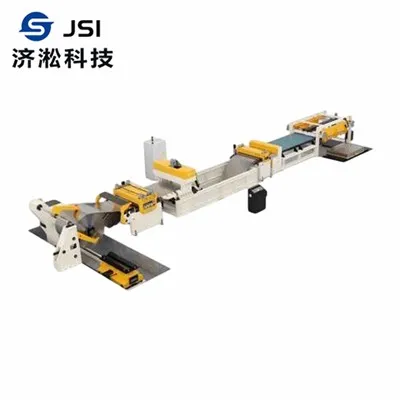
Hey there! As a supplier of steel coil slitting lines, I've been thinking a lot lately about how we can make these machines more environmentally friendly. It's not just about doing our part for the planet; it's also good for business. Customers are increasingly looking for eco - friendly solutions, and by making our slitting lines greener, we can stay competitive in the market.
1. Energy - efficient Design
One of the most obvious ways to make a steel coil slitting line more environmentally friendly is to focus on energy efficiency. Traditional slitting lines can be energy hogs, consuming large amounts of electricity to power motors, hydraulic systems, and other components.
We can start by using high - efficiency motors. These motors are designed to convert electrical energy into mechanical energy more effectively, reducing the amount of wasted energy. For example, permanent - magnet synchronous motors are known for their high efficiency and low energy consumption. By replacing the old, inefficient motors in our slitting lines with these modern alternatives, we can significantly cut down on energy use.
Another aspect of energy - efficient design is the use of variable frequency drives (VFDs). VFDs allow the speed of motors to be adjusted based on the actual load requirements. In a slitting line, the demand for power can vary depending on the thickness and width of the steel coil being processed. With VFDs, the motors can run at the optimal speed, consuming only the necessary amount of energy. This not only saves electricity but also reduces wear and tear on the motors, extending their lifespan.
2. Recycling and Waste Reduction
Steel coil slitting lines generate a certain amount of waste, such as scrap metal and used lubricants. To make the process more environmentally friendly, we need to focus on recycling and waste reduction.
When it comes to scrap metal, we can set up a system to collect and recycle it. The scrap metal can be melted down and reused in the production of new steel products. This not only reduces the demand for virgin steel but also saves energy, as recycling steel requires less energy than producing it from raw materials.
For used lubricants, we can implement a filtration and purification system. Instead of simply disposing of the used lubricants, we can clean them and reuse them in the slitting line. This not only reduces waste but also cuts down on the cost of purchasing new lubricants.
3. Use of Sustainable Materials
In the manufacturing of steel coil slitting lines, we can also consider using sustainable materials. For example, we can look for suppliers who offer steel that is produced using environmentally friendly processes. Some steel manufacturers are now using recycled materials and energy - efficient production methods, which can help reduce the carbon footprint of our slitting lines.
We can also explore the use of alternative materials for non - critical components. For instance, instead of using traditional plastics, we can use biodegradable or recycled plastics. These materials can break down more easily in the environment, reducing pollution.
4. Noise and Emission Reduction
Steel coil slitting lines can be noisy and can emit pollutants into the air. To address these issues, we can take several steps.
To reduce noise, we can install sound - absorbing materials around the slitting line. These materials can help absorb the sound waves generated by the moving parts of the machine, reducing the noise level in the workplace. We can also design the machine to operate more quietly, for example, by using precision - engineered components that fit together more smoothly, reducing vibrations and noise.
In terms of emissions, we can ensure that the hydraulic systems and other components of the slitting line are well - maintained to prevent leaks. Leaking hydraulic fluids can not only contaminate the environment but also pose a safety hazard. We can also use low - emission paints and coatings on the machine to reduce the release of volatile organic compounds (VOCs) into the air.
5. Smart Automation and Monitoring
Implementing smart automation and monitoring systems can also contribute to making the steel coil slitting line more environmentally friendly. With smart automation, the slitting line can operate more efficiently, reducing the amount of energy and materials wasted.
For example, sensors can be installed on the slitting line to monitor the thickness, width, and tension of the steel coil in real - time. Based on this data, the machine can automatically adjust its settings to ensure optimal performance. This can prevent over - cutting or under - cutting of the steel, reducing waste.
Monitoring systems can also track the energy consumption of the slitting line. By analyzing this data, we can identify areas where energy is being wasted and take corrective actions. For example, if we notice that a particular motor is consuming more energy than usual, we can investigate and fix the problem.


Our Product Range
We offer a variety of slitting lines, including the Fully Automatic Slitting Line, High Speed Slitting Line, and Coating Material Slitting Line. All of these products are designed with environmental considerations in mind, and we are constantly working on improving their eco - friendliness.
Time to Take Action
If you're interested in making your steel processing operations more environmentally friendly, our slitting lines are a great choice. We're committed to providing high - quality, eco - friendly solutions that meet your needs. Whether you need a fully automatic slitting line for high - volume production or a specialized coating material slitting line, we've got you covered.
If you want to know more about our products or have any questions about how we can make your steel coil slitting process greener, don't hesitate to get in touch with us. We'd love to start a conversation and explore how we can work together to achieve your environmental and business goals.
References
- Davis, J. (2020). Energy - efficient manufacturing in the metal processing industry. Journal of Sustainable Manufacturing, 15(2), 89 - 98.
- Smith, A. (2019). Recycling in the steel industry: Trends and best practices. Steel Production Review, 22(3), 45 - 53.
- Brown, C. (2021). Smart automation for sustainable manufacturing. Industrial Technology Journal, 18(4), 112 - 120.