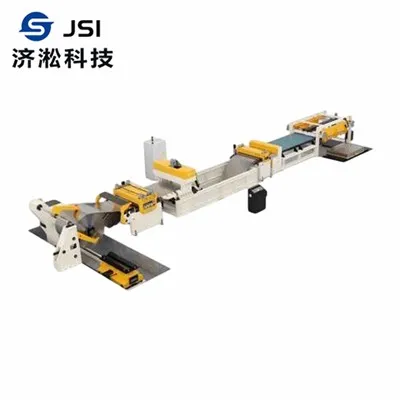
As a supplier of slitting lines, detecting blade wear is a crucial aspect that directly impacts the efficiency and quality of the slitting process. In this blog, I'll share some effective methods and insights on how to detect blade wear in a slitting line.
The Significance of Detecting Blade Wear
Blades are the heart of a slitting line. As they cut through various materials, such as steel coils, over time, they inevitably experience wear. Worn - out blades can lead to a series of problems. Firstly, the quality of the slit products deteriorates. There may be burrs on the edges of the slit strips, which can affect the subsequent processing and final use of the products. Secondly, blade wear can reduce the cutting efficiency. The machine may require more power to cut through the materials, leading to increased energy consumption. Moreover, if the blade wear is not detected and addressed in a timely manner, it can cause damage to other components of the slitting line, resulting in costly repairs and production downtime.
Visual Inspection
One of the simplest and most direct methods to detect blade wear is visual inspection. Regularly examine the blades during maintenance intervals. Look for signs such as chipping, cracking, or dulling of the cutting edge. A sharp blade should have a clean and well - defined cutting edge. If you notice any nicks or rough areas on the edge, it is a clear indication of wear.
When conducting a visual inspection, it is also important to check the blade surface for any signs of excessive heat discoloration. Excessive heat can cause the blade material to lose its hardness and become more prone to wear. This discoloration can usually be seen as a change in the color of the blade surface, often from silver - gray to a darker shade.
Measurement of Blade Thickness
Another reliable method is to measure the blade thickness. Over time, as the blade cuts through materials, it gradually loses material from the cutting edge, resulting in a decrease in thickness. Use a precision measuring tool, such as a micrometer, to measure the blade thickness at regular intervals. Compare the measured thickness with the original specifications of the blade. If the thickness has decreased beyond the acceptable tolerance, it is time to replace the blade.
It is advisable to establish a measurement schedule based on the frequency of use of the slitting line. For high - volume production lines, more frequent measurements may be required, perhaps once a week or even more often. For less - used lines, a monthly measurement may be sufficient.
Analysis of Cutting Force
Monitoring the cutting force during the slitting process can also provide valuable information about blade wear. As the blade wears, it becomes more difficult to cut through the materials, and the cutting force required increases. You can install force sensors on the slitting line to measure the cutting force in real - time.
Compare the measured cutting force with the normal values obtained when the blades were new. If the cutting force exceeds the normal range by a significant margin, it indicates that the blades are likely worn. However, it is important to note that other factors, such as changes in the material properties of the coils being slit or problems with the machine's lubrication system, can also affect the cutting force. Therefore, it is necessary to rule out these factors before concluding that the increase in cutting force is due to blade wear.
Surface Roughness of the Slit Products
The surface roughness of the slit products can serve as an indirect indicator of blade wear. A sharp blade will produce slit products with a smooth surface finish. As the blade wears, the surface of the slit products may become rougher. Use a surface roughness tester to measure the roughness of the slit strips at regular intervals.
An increase in surface roughness can be caused by a variety of factors, including blade wear, improper blade alignment, or incorrect cutting speed. However, if all other factors are known to be within the normal range and you observe a consistent increase in surface roughness, it is highly likely that the blades are worn.
Frequency of Blade Replacement
Based on the detection methods mentioned above, it is important to establish a reasonable frequency of blade replacement. This frequency can vary depending on several factors, such as the type of material being slit, the cutting speed, and the quality of the blades.
For example, when slitting hard materials like high - strength steel, the blades will wear more quickly compared to softer materials like aluminum. In high - speed slitting lines High Speed Slitting Line, the blades are also subject to more intense wear due to the higher cutting forces and speeds.
As a general rule, it is better to replace the blades before they cause significant quality issues or damage to the slitting line. Keep a record of the blade usage and replacement history, which can help you predict the optimal replacement time based on past experience.
Impact of Blade Wear on Different Types of Slitting Lines
Different types of slitting lines, such as Steel Coil Slitting Line and Fully Automatic Slitting Line, may be affected by blade wear in different ways.


In a steel coil slitting line, the blades need to cut through thick and hard steel coils. Blade wear can have a more significant impact on the quality of the slit steel strips. Worn blades may cause uneven cuts, burrs, and even breakage of the strips. In a fully automatic slitting line, the high - level of automation means that any issues with the blades can disrupt the entire production process. If the blade wear is not detected in time, it can lead to a large number of defective products and production delays.
Conclusion
Detecting blade wear in a slitting line is a multi - faceted process that requires a combination of different methods. Visual inspection, measurement of blade thickness, analysis of cutting force, and assessment of the surface roughness of the slit products are all important techniques. By regularly monitoring these indicators, you can ensure that the blades are replaced at the right time, thus maintaining the efficiency and quality of the slitting process.
If you are in the market for a slitting line or need more information on blade wear detection and maintenance, we are here to help. Our team of experts can provide you with professional advice and high - quality slitting line solutions. Contact us for a detailed discussion on your specific requirements and let's explore how we can work together to optimize your slitting operations.
References
- Smith, J. (2018). "Blade Wear Analysis in Metal Slitting Processes." Journal of Manufacturing Technology, Vol. 25, pp. 45 - 52.
- Johnson, R. (2019). "Optimizing Blade Life in Slitting Lines." Industrial Engineering Magazine, Vol. 32, pp. 67 - 74.
- Brown, A. (2020). "Advanced Techniques for Detecting Blade Wear in Slitting Operations." Proceedings of the International Conference on Manufacturing Science, pp. 123 - 130.