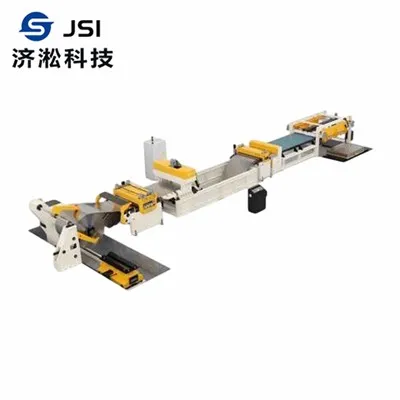
Hey there! As a supplier of NC feeders, I've been in the thick of the industry for quite some time. One question that keeps popping up is, "What is the influence of the feeding frequency on the performance of an NC feeder?" Well, let's dive right in and break it down.
First off, what's an NC feeder? In simple terms, it's a machine used in the manufacturing process to precisely feed materials, like metal sheets or strips, into other machinery, such as presses. The "NC" stands for numerical control, which means it's controlled by a computer system to ensure accurate and consistent feeding.
Now, let's talk about feeding frequency. Feeding frequency refers to how often the feeder moves the material. It's usually measured in cycles per minute (CPM). The feeding frequency can have a significant impact on the performance of an NC feeder in several ways.
1. Productivity
One of the most obvious impacts of feeding frequency is on productivity. Generally speaking, a higher feeding frequency means more cycles per minute, which translates to more parts being produced in a given time frame. For example, if you're running a stamping operation, a feeder with a higher feeding frequency can deliver more blanks to the press, allowing it to stamp out more parts per hour.
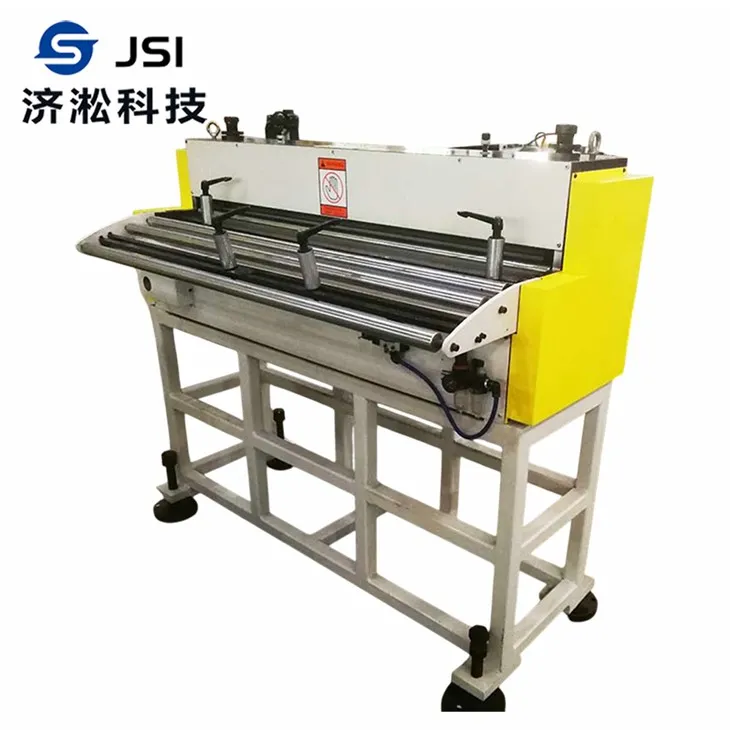

However, it's not as simple as just cranking up the frequency to the max. There are limits to how fast an NC feeder can operate effectively. If the feeding frequency is set too high, the feeder may not be able to keep up with the demand, leading to jams, misfeeds, or other issues that can actually reduce productivity. So, finding the optimal feeding frequency is crucial for maximizing output.
2. Accuracy
Accuracy is another key aspect of NC feeder performance. The feeding frequency can affect the accuracy of the material placement. At lower frequencies, the feeder has more time to make precise movements, which can result in better alignment and positioning of the material. This is especially important for applications that require high precision, such as in the electronics or aerospace industries.
On the other hand, at higher frequencies, the feeder has less time to complete each cycle. This can increase the risk of errors, such as overfeeding or underfeeding the material. To maintain accuracy at high frequencies, the feeder needs to have a robust control system and high - quality components. For instance, a well - designed servo motor can provide the necessary torque and speed control to ensure accurate feeding even at high frequencies.
3. Wear and Tear
The feeding frequency also has an impact on the wear and tear of the NC feeder components. Higher frequencies mean more rapid movements and more stress on the mechanical parts, such as belts, chains, and gears. Over time, this can lead to increased wear and require more frequent maintenance and replacement of parts.
For example, the drive belts in an NC feeder may experience more stretching and abrasion at higher frequencies. This can cause the belts to lose tension, which can affect the feeding accuracy and eventually lead to belt failure. Similarly, the bearings in the feeder may wear out faster due to the increased load and speed.
To mitigate the wear and tear, it's important to choose an NC feeder that is designed for the intended feeding frequency. Some feeders are specifically engineered to handle high - frequency operations and are equipped with heavy - duty components and advanced lubrication systems.
4. Material Compatibility
Different materials have different properties, and the feeding frequency needs to be adjusted accordingly. For thin and lightweight materials, a higher feeding frequency may be possible without causing damage. These materials are more flexible and can be moved quickly through the feeder. For example, a Thin Sheet NC Servo Feeder is designed to handle thin sheets at relatively high frequencies.
On the other hand, thicker and heavier materials require more force to move, and a lower feeding frequency may be necessary to ensure smooth and accurate feeding. A Medium Sheet NC Servo Feeder is better suited for handling medium - thickness sheets, and it may operate at a different frequency range compared to a thin - sheet feeder.
5. Noise and Vibration
Higher feeding frequencies can also lead to increased noise and vibration levels. The rapid movements of the feeder components generate more noise and can cause the machine to vibrate. Excessive noise and vibration not only create an unpleasant working environment but can also affect the overall performance of the feeder and the surrounding equipment.
Noise and vibration can be mitigated through proper design and maintenance. For example, using vibration - dampening materials in the feeder construction and ensuring that all components are properly aligned and balanced can help reduce these issues.
Finding the Optimal Feeding Frequency
So, how do you find the optimal feeding frequency for your NC feeder? It depends on several factors, including the type of material, the required accuracy, the productivity goals, and the capabilities of the feeder itself.
One way is to conduct a series of tests. Start with a conservative feeding frequency and gradually increase it while monitoring the performance of the feeder and the quality of the output. Look for signs of jams, misfeeds, or other issues. You may also want to measure the accuracy of the material placement and the overall productivity.
Another approach is to consult with the feeder manufacturer or a technical expert. They can provide valuable insights based on their experience and knowledge of the specific feeder model. They may also be able to recommend the best settings for your particular application.
Our NC Feeder Offerings
At our company, we offer a range of NC feeders to suit different needs. Our Medium Sheet NC Servo Feeder is ideal for handling medium - thickness sheets with precision and efficiency. It's designed to operate at a wide range of feeding frequencies, allowing you to find the optimal setting for your production requirements.
Our Thin Sheet NC Servo Feeder is specifically engineered for thin materials, offering high - speed and accurate feeding. And our NC Servo Roll Feeder is great for continuous feeding of coiled materials.
If you're in the market for an NC feeder or looking to improve the performance of your existing one, we'd love to hear from you. Our team of experts can help you select the right feeder for your application and provide guidance on setting the optimal feeding frequency. Contact us to start a conversation about your needs and how we can help you achieve your production goals.
References
- "Manufacturing Engineering Handbook"
- "Industrial Automation and Robotics: Principles and Applications"
- Technical manuals from leading NC feeder manufacturers