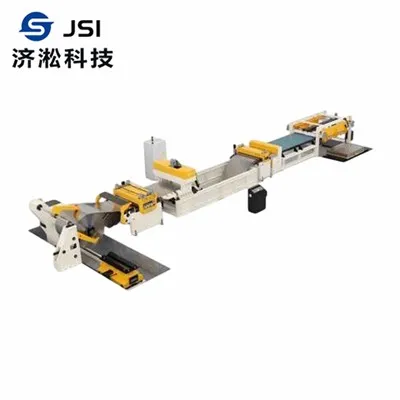
As a seasoned supplier of decoilers, I've witnessed firsthand the critical role the braking system plays in the smooth and safe operation of these machines. In this blog post, I'll delve into the inner workings of a decoiler's braking system, exploring its components, functions, and the science behind its operation.
The Basics of a Decoiler
Before we dive into the braking system, let's briefly understand what a decoiler is. A decoiler is a machine used in various industries, such as metalworking, to unwind coiled materials like steel, aluminum, or copper. It provides a continuous supply of material for further processing, such as stamping, cutting, or forming. Decoilers come in different types, including Recoiler Machine, Decoiler with Coil Car, and Double Head Decoiler, each designed to meet specific application requirements.
The Importance of a Braking System
The braking system of a decoiler is essential for several reasons. Firstly, it ensures the safe and controlled unwinding of the coiled material. Without a proper braking system, the material could unwind too quickly, leading to tangling, damage, or even accidents. Secondly, the braking system helps maintain tension in the material, which is crucial for achieving consistent quality in the subsequent processing steps. Finally, it allows for precise control of the decoiling speed, enabling operators to adjust the machine's performance according to the specific requirements of the job.
Components of a Decoiler Braking System
A typical decoiler braking system consists of several key components, each playing a specific role in the overall operation. Let's take a closer look at these components:
Brake Disc
The brake disc is a circular metal plate that is attached to the decoiler's shaft. It rotates with the shaft as the material is being unwound. When the braking system is activated, the brake disc is clamped between the brake pads, creating friction and slowing down the rotation of the shaft.
Brake Pads
The brake pads are made of a high-friction material, such as asbestos or ceramic. They are mounted on calipers, which are designed to squeeze the brake disc when the braking system is engaged. The friction between the brake pads and the brake disc converts the kinetic energy of the rotating shaft into heat, which is dissipated into the surrounding environment.
Caliper
The caliper is a hydraulic or mechanical device that applies pressure to the brake pads. In a hydraulic caliper, fluid pressure is used to activate the pistons, which in turn squeeze the brake pads against the brake disc. In a mechanical caliper, a lever or cable is used to apply the pressure.
Brake Controller
The brake controller is an electronic device that regulates the operation of the braking system. It receives input from various sensors, such as speed sensors and tension sensors, and uses this information to determine when and how much braking force to apply. The brake controller can be programmed to adjust the braking force based on the specific requirements of the job, such as the type of material, the decoiling speed, and the desired tension.
Hydraulic or Pneumatic System
In some decoilers, a hydraulic or pneumatic system is used to power the caliper. These systems use fluid or air pressure to generate the force needed to apply the brake pads to the brake disc. Hydraulic systems are typically more powerful and precise than pneumatic systems, but they also require more maintenance and are more expensive.
How the Braking System Works
Now that we've familiarized ourselves with the components of a decoiler braking system, let's take a look at how it works in practice. The operation of the braking system can be divided into several stages:
Normal Operation
During normal operation, the decoiler is unwinding the coiled material at a constant speed. The braking system is in a passive state, with the brake pads not in contact with the brake disc. The decoiler's motor provides the power to rotate the shaft, and the material is unwound smoothly and continuously.
Braking Activation
When the operator needs to slow down or stop the decoiling process, they activate the braking system. This can be done manually using a control panel or automatically based on the input from the sensors. When the braking system is activated, the brake controller sends a signal to the caliper, which applies pressure to the brake pads.
Braking Force Application
As the caliper applies pressure to the brake pads, they come into contact with the brake disc. The friction between the brake pads and the brake disc creates a braking force, which slows down the rotation of the shaft. The amount of braking force applied depends on the pressure applied by the caliper and the coefficient of friction between the brake pads and the brake disc.
Deceleration and Stopping
As the braking force is applied, the decoiler's speed gradually decreases. The brake controller monitors the speed of the shaft and adjusts the braking force accordingly to ensure a smooth and controlled deceleration. Once the decoiler has come to a complete stop, the braking system remains engaged to prevent the material from unwinding further.
Releasing the Brake
When the operator is ready to resume the decoiling process, they release the braking system. The brake controller sends a signal to the caliper, which releases the pressure on the brake pads. The brake pads then disengage from the brake disc, allowing the shaft to rotate freely again.
Factors Affecting the Performance of the Braking System
Several factors can affect the performance of a decoiler braking system. Let's take a look at some of the most important factors:
Brake Pad Material
The type of brake pad material used can have a significant impact on the braking performance. Different materials have different coefficients of friction, wear rates, and heat resistance. For example, ceramic brake pads offer higher friction and better heat resistance than asbestos brake pads, but they are also more expensive.
Brake Disc Condition
The condition of the brake disc is also crucial for the proper functioning of the braking system. A worn or damaged brake disc can reduce the friction between the brake pads and the disc, resulting in decreased braking performance. Regular inspection and maintenance of the brake disc are essential to ensure its optimal performance.
Braking System Adjustment
Proper adjustment of the braking system is necessary to ensure consistent and reliable performance. The brake pads should be adjusted to provide the correct amount of clearance between the brake disc and the pads when the braking system is not engaged. If the clearance is too large, the braking system may not engage properly, while if it is too small, the brake pads may drag on the brake disc, causing excessive wear.
Environmental Conditions
The environmental conditions in which the decoiler operates can also affect the performance of the braking system. For example, high temperatures can cause the brake pads to overheat and lose their effectiveness, while wet or dirty conditions can reduce the friction between the brake pads and the brake disc. It is important to take these factors into account when selecting and maintaining the braking system.
Maintenance and Troubleshooting
Regular maintenance is essential for ensuring the long-term performance and reliability of a decoiler braking system. Here are some key maintenance tasks that should be performed:
Inspection
Regularly inspect the brake pads, brake disc, caliper, and other components of the braking system for wear, damage, or signs of malfunction. Replace any worn or damaged parts immediately to prevent further problems.


Cleaning
Keep the brake components clean and free of debris. Use a clean cloth or compressed air to remove any dirt, dust, or oil from the brake pads, brake disc, and caliper.
Lubrication
If the braking system has any moving parts, such as the caliper pistons or the brake controller, lubricate them regularly to ensure smooth operation. Use a high-quality lubricant that is compatible with the materials used in the braking system.
Adjustment
Periodically check and adjust the clearance between the brake pads and the brake disc. Follow the manufacturer's instructions for the correct adjustment procedure.
Troubleshooting
If you encounter any problems with the braking system, such as reduced braking performance, noise, or vibration, troubleshoot the issue immediately. Check the brake components for wear, damage, or signs of malfunction, and make any necessary repairs or adjustments.
Conclusion
The braking system of a decoiler is a critical component that plays a vital role in the safe and efficient operation of the machine. By understanding how the braking system works, its components, and the factors that affect its performance, operators can ensure that their decoilers are operating at their best. Regular maintenance and troubleshooting are essential for preventing problems and extending the lifespan of the braking system.
If you're in the market for a high-quality decoiler with a reliable braking system, I encourage you to contact us for more information. Our team of experts can help you select the right decoiler for your specific needs and provide you with the support and service you need to keep your machine running smoothly. We look forward to hearing from you and helping you achieve your production goals.
References
- [Title of a relevant industry manual or textbook]
- [Name of a technical article or research paper on decoiler braking systems]
- [Documentation provided by the decoiler manufacturer]