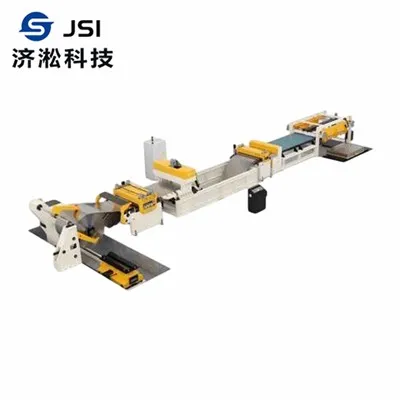
A slitting line is a crucial piece of equipment in the metal processing industry, designed to cut large coils of metal into narrower strips with high precision and efficiency. As a leading slitting line supplier, I am excited to share with you how a slitting line works and the key components involved in this process.
The Basic Concept of a Slitting Line
The primary function of a slitting line is to transform wide metal coils into multiple narrower strips. This process is essential for various industries, including automotive, construction, and manufacturing, where different widths of metal strips are required for specific applications. The slitting line achieves this by using a series of cutting tools and rollers to guide and cut the metal coil.
Key Components of a Slitting Line
- Uncoiler: The uncoiler is the starting point of the slitting process. It holds the large metal coil and unwinds it at a controlled speed. Modern uncoilers are often equipped with advanced features such as automatic coil loading and tension control to ensure smooth and efficient operation.
- Leveler: After the metal coil is unwound, it passes through the leveler. The leveler is designed to flatten the metal strip, removing any coil set or camber that may have been present in the original coil. This step is crucial for ensuring the accuracy of the subsequent cutting process.
- Slitter Head: The slitter head is the heart of the slitting line. It consists of a set of circular knives that are precisely aligned to cut the metal strip into the desired widths. The knives are typically made of high - quality tool steel and are designed to withstand the high cutting forces involved in the process. The slitter head can be adjusted to change the width of the strips being cut, allowing for flexibility in production.
- Waste Separator: As the metal strip is cut into narrower strips, there is often some scrap or waste material generated. The waste separator is responsible for removing this waste material from the main strips. This helps to improve the quality of the final product and reduce the amount of waste that needs to be disposed of.
- Recoiler: After the metal strip has been cut and the waste removed, the individual strips are recoiled onto separate mandrels. The recoiler is designed to wind the strips tightly and evenly, ensuring that they are ready for further processing or shipment. Similar to the uncoiler, the recoiler also has features such as tension control to ensure the quality of the recoiled strips.
The Working Process of a Slitting Line
- Coil Loading: The process begins with loading the large metal coil onto the uncoiler. This can be done manually or using automated equipment, depending on the size and weight of the coil. Once the coil is loaded, the uncoiler starts to unwind the metal strip at a controlled speed.
- Leveling: The unwound metal strip then passes through the leveler. The leveler uses a series of rollers to apply pressure to the strip, gradually flattening it. The number and arrangement of the rollers can be adjusted to achieve the desired level of flatness.
- Slitting: After the strip is leveled, it enters the slitter head. The circular knives in the slitter head rotate at high speed and cut the strip into multiple narrower strips. The width of the strips is determined by the spacing between the knives, which can be adjusted according to the production requirements.
- Waste Removal: As the strips are cut, the waste separator removes any scrap or waste material from the main strips. This is usually done using a combination of mechanical and pneumatic systems.
- Recoiling: Finally, the individual strips are recoiled onto separate mandrels by the recoiler. The recoiler winds the strips tightly and evenly, creating neat and compact coils that are ready for the next stage of the manufacturing process.
Different Types of Slitting Lines
There are several types of slitting lines available, each designed to meet specific production requirements.
Fully Automatic Slitting Line
A Fully Automatic Slitting Line is a highly advanced type of slitting line that offers maximum efficiency and productivity. These lines are equipped with automated systems for coil loading, slitting, and recoiling, reducing the need for manual intervention. They are ideal for high - volume production environments where precision and speed are of the essence.
High Speed Slitting Line
High Speed Slitting Lines are designed to operate at extremely high speeds, allowing for rapid production of metal strips. These lines are often used in industries where large quantities of narrow strips need to be produced in a short period of time. However, high - speed operation requires careful design and maintenance to ensure the quality of the cut strips.
Non - ferrous Metal Slitting Lines
Non - ferrous Metal Slitting Lines are specifically designed for processing non - ferrous metals such as aluminum, copper, and brass. These metals have different physical properties compared to ferrous metals, and therefore require specialized cutting tools and processing techniques. Non - ferrous metal slitting lines are used in a variety of industries, including electronics, aerospace, and packaging.
Quality Control in Slitting Lines
Quality control is an essential aspect of the slitting process. To ensure the quality of the cut strips, several factors need to be monitored and controlled.
- Cutting Edge Quality: The quality of the cutting edges of the strips is crucial. Any burrs, rough edges, or uneven cuts can affect the performance of the final product. Regular maintenance of the slitter knives and proper adjustment of the cutting parameters are necessary to ensure smooth and clean cutting edges.
- Width Tolerance: The width of the cut strips must be within the specified tolerance. This requires precise alignment of the slitter knives and accurate control of the feeding speed of the metal strip.
- Flatness: The flatness of the strips is also important. Any remaining coil set or camber can cause problems during subsequent processing. The leveler must be adjusted correctly to ensure that the strips are flat and straight.
Conclusion
In conclusion, a slitting line is a complex and sophisticated piece of equipment that plays a vital role in the metal processing industry. By understanding how a slitting line works and the key components involved, manufacturers can make informed decisions about the type of slitting line that best suits their production needs. Whether you are looking for a fully automatic slitting line for high - volume production, a high - speed slitting line for rapid processing, or a non - ferrous metal slitting line for specialized applications, we have the expertise and experience to provide you with the right solution.
If you are interested in learning more about our slitting lines or would like to discuss your specific requirements, please feel free to contact us. Our team of experts is ready to assist you in finding the perfect slitting line for your business.


References
- "Metal Processing Handbook", John Wiley & Sons
- "Advanced Manufacturing Technology", Prentice Hall
- Industry reports on metal slitting equipment from leading market research firms.