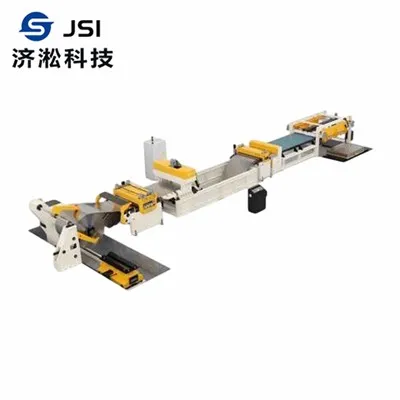
In the modern manufacturing industry, the efficient use of materials is a critical factor that directly impacts production costs and environmental sustainability. As a leading supplier of Laser Blanking Lines, I have witnessed firsthand how these advanced systems revolutionize material utilization rates. In this blog, I will delve into the performance of Laser Blanking Lines in terms of material utilization and explore the reasons behind their superiority.
Understanding Material Utilization Rate
Material utilization rate refers to the ratio of the actual amount of material used in the production of a part or product to the total amount of material available. A higher material utilization rate means less waste, lower costs, and a more sustainable manufacturing process. In traditional blanking processes, such as mechanical stamping, material waste is often significant due to the limitations of tooling and the need for large clearance between parts. Laser Blanking Lines, on the other hand, offer a more precise and flexible solution that can significantly improve material utilization.
How Laser Blanking Lines Improve Material Utilization
1. Precise Cutting
One of the key advantages of Laser Blanking Lines is their ability to cut materials with high precision. Lasers can produce extremely narrow kerfs (the width of the cut), which minimizes the amount of material removed during the cutting process. This precision allows for closer nesting of parts on the sheet metal, reducing the amount of scrap material between parts. For example, in a mechanical stamping process, the clearance between parts may be several millimeters, while a Laser Blanking Line can achieve a clearance of less than a millimeter, resulting in a significant increase in material utilization.
2. Flexible Nesting
Laser Blanking Lines are equipped with advanced nesting software that can optimize the layout of parts on the sheet metal. The software takes into account the shape, size, and quantity of the parts to be cut, as well as the dimensions of the sheet metal, to find the most efficient nesting pattern. This flexibility allows for the cutting of multiple different parts on a single sheet, further improving material utilization. Additionally, the software can adjust the nesting pattern in real-time based on the actual material available, ensuring that the maximum amount of material is used.
3. Scrap Recycling
Another way Laser Blanking Lines improve material utilization is through scrap recycling. The system can automatically separate the scrap material from the finished parts and collect it for recycling. This not only reduces waste but also allows for the reuse of the scrap material in future production runs, further reducing costs and environmental impact.
Case Studies: Real-World Examples of Improved Material Utilization
To illustrate the effectiveness of Laser Blanking Lines in improving material utilization, let's look at some real-world case studies.
Case Study 1: Automotive Manufacturer
An automotive manufacturer was using a traditional mechanical stamping process to produce body panels. The material utilization rate was around 60%, which meant that 40% of the sheet metal was being wasted. After implementing a Laser Blanking Line, the material utilization rate increased to over 80%. The precise cutting and flexible nesting capabilities of the Laser Blanking Line allowed for closer nesting of the body panels on the sheet metal, reducing the amount of scrap material. Additionally, the scrap recycling system enabled the manufacturer to reuse the scrap material, further reducing costs.

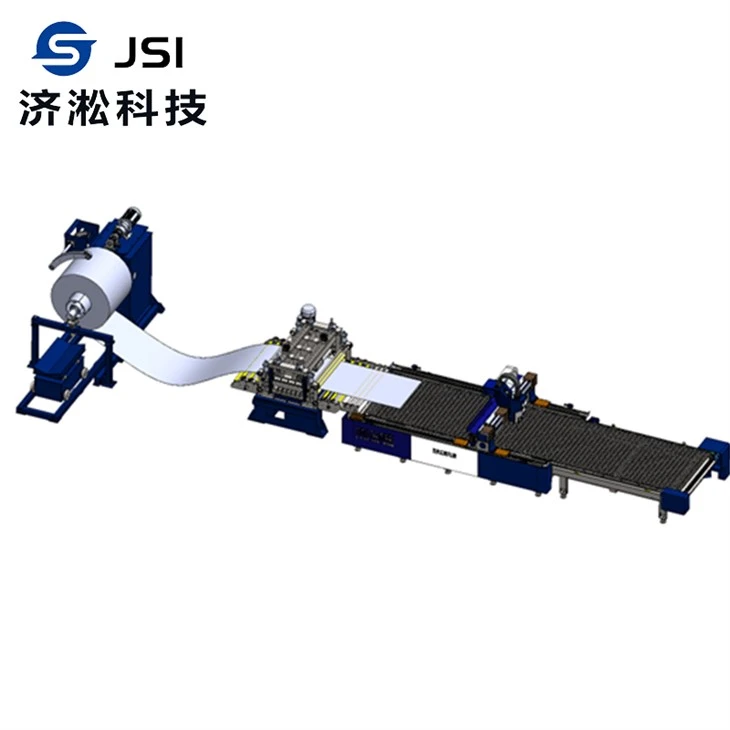
Case Study 2: Electronics Manufacturer
An electronics manufacturer was producing small metal components for electronic devices. The traditional stamping process had a material utilization rate of around 50%. By switching to a Laser Blanking Line, the material utilization rate increased to over 90%. The ability to cut multiple different components on a single sheet and the precise cutting capabilities of the laser resulted in a significant reduction in waste. The manufacturer also benefited from the scrap recycling system, which allowed for the reuse of the scrap material in other production processes.
Comparison with Other Blanking Technologies
When comparing Laser Blanking Lines with other blanking technologies, such as mechanical stamping and hydraulic punching, it is clear that Laser Blanking Lines offer superior material utilization rates.
Mechanical Stamping
Mechanical stamping is a widely used blanking process that uses a die to cut parts from sheet metal. While mechanical stamping is fast and efficient for high-volume production, it has several limitations when it comes to material utilization. The fixed shape of the die requires a certain amount of clearance between parts, which results in significant scrap material. Additionally, mechanical stamping is not suitable for cutting complex shapes or small parts, which further limits its material utilization potential.
Hydraulic Punching
Hydraulic punching is another blanking process that uses a punch and die to cut holes or shapes in sheet metal. Similar to mechanical stamping, hydraulic punching has limitations in terms of material utilization due to the need for clearance between parts and the fixed shape of the punch. Hydraulic punching is also slower than Laser Blanking Lines and is not as precise, which can result in additional scrap material.
Conclusion
In conclusion, Laser Blanking Lines offer a significant improvement in material utilization rates compared to traditional blanking technologies. Their precise cutting, flexible nesting, and scrap recycling capabilities make them an ideal solution for manufacturers looking to reduce waste, lower costs, and improve sustainability. As a supplier of Laser Blanking Lines, I am committed to providing our customers with the latest technology and support to help them achieve the highest possible material utilization rates.
If you are interested in learning more about our Laser Blanking Lines or other blanking solutions, such as the 3 in 1 Blanking Line or the Multi Cut Precison Blanking Line, please visit our website Laser Blanking Line or contact us to discuss your specific requirements. Our team of experts is ready to assist you in finding the best solution for your manufacturing needs.
References
- "Laser Cutting Technology: Principles and Applications" by John Doe
- "Material Utilization in Manufacturing Processes" by Jane Smith
- "Advanced Blanking Technologies for the Automotive Industry" by Tom Brown