In the dynamic landscape of modern manufacturing, the pursuit of efficiency is a constant endeavor. As a leading supplier of Independent Manipulators, I've witnessed firsthand how these advanced tools can revolutionize the manufacturing process. In this blog, I'll delve into the various ways Independent Manipulators enhance manufacturing efficiency and why they are a game-changer for businesses across industries.
Understanding Independent Manipulators
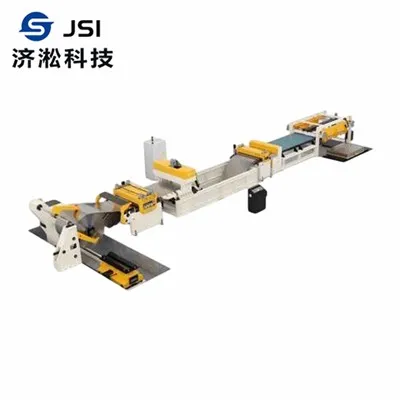
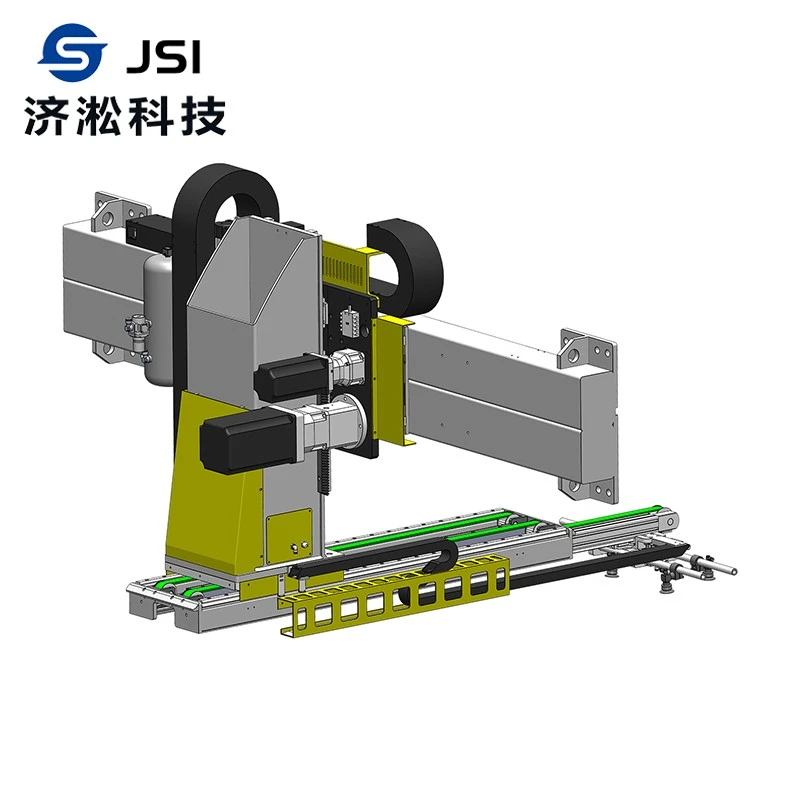
Independent Manipulators are robotic devices designed to handle and transfer materials within a manufacturing environment. They offer a high degree of flexibility and precision, allowing for seamless integration into existing production lines. Unlike traditional transfer systems, Independent Manipulators can operate independently, performing multiple tasks simultaneously without the need for complex synchronization.
One of the key advantages of Independent Manipulators is their ability to adapt to different production requirements. They can be programmed to handle a wide range of materials, from small components to large workpieces, and can be easily reconfigured to accommodate changes in product design or production volume. This flexibility makes them an ideal solution for manufacturers looking to increase their agility and responsiveness in a rapidly changing market.
Improving Material Handling
Efficient material handling is crucial for optimizing manufacturing processes. Independent Manipulators excel in this area by streamlining the movement of materials between different stages of production. They can pick up, transfer, and place materials with high accuracy and speed, reducing the time and effort required for manual handling.
For example, in a stamping operation, Independent Manipulators can quickly and precisely transfer blanks from the coil feeder to the press, eliminating the need for manual loading and unloading. This not only improves productivity but also reduces the risk of errors and injuries associated with manual labor. Additionally, Independent Manipulators can be equipped with sensors and vision systems to detect and correct any misalignments or defects in the materials, ensuring consistent quality throughout the production process.
Enhancing Production Flexibility
In today's competitive manufacturing environment, the ability to quickly adapt to changing customer demands is essential. Independent Manipulators offer unparalleled flexibility, allowing manufacturers to easily switch between different products and production runs. They can be programmed to perform a variety of tasks, such as part sorting, assembly, and packaging, making them a versatile solution for a wide range of applications.
For instance, in an automotive manufacturing plant, Independent Manipulators can be used to assemble different models of cars on the same production line. By simply reprogramming the manipulators, manufacturers can quickly change the assembly sequence and adapt to the specific requirements of each model. This flexibility not only reduces the need for expensive retooling but also enables manufacturers to respond more quickly to market changes and customer preferences.
Increasing Productivity
Productivity is a key metric in manufacturing, and Independent Manipulators can significantly boost it. By automating repetitive and time-consuming tasks, they free up human workers to focus on more value-added activities, such as quality control and process optimization. Additionally, Independent Manipulators can operate 24/7 without fatigue, ensuring continuous production and maximizing output.
In a metal fabrication shop, for example, Independent Manipulators can be used to load and unload parts from a CNC machine. This allows the machine to run continuously without the need for manual intervention, increasing the overall productivity of the shop. Moreover, Independent Manipulators can work at a consistent pace, reducing the variability in production times and improving the overall efficiency of the manufacturing process.
Improving Quality Control
Quality control is an integral part of the manufacturing process, and Independent Manipulators can play a crucial role in ensuring consistent product quality. They can be equipped with sensors and inspection systems to detect and reject defective parts in real-time, preventing them from entering the next stage of production. This not only reduces the number of defective products but also improves the overall quality of the final product.
For example, in a pharmaceutical manufacturing plant, Independent Manipulators can be used to inspect tablets for defects such as cracks, chips, and discoloration. By using advanced vision systems, the manipulators can quickly and accurately identify any defective tablets and remove them from the production line. This ensures that only high-quality products are packaged and shipped to customers, enhancing the reputation of the manufacturer and reducing the risk of product recalls.
Reducing Costs
In addition to improving efficiency and quality, Independent Manipulators can also help manufacturers reduce costs. By automating manual tasks, they eliminate the need for labor-intensive processes, reducing labor costs and increasing productivity. Additionally, Independent Manipulators can reduce the amount of waste and scrap generated during the manufacturing process, saving on material costs.
For instance, in a food processing plant, Independent Manipulators can be used to sort and grade fruits and vegetables based on their size, shape, and quality. By accurately separating the good products from the bad ones, the manipulators can reduce the amount of waste and increase the yield of the production process. This not only saves on material costs but also improves the overall profitability of the plant.

Integration with Other Systems
Independent Manipulators can be easily integrated with other manufacturing systems, such as robots, conveyors, and automated storage and retrieval systems (AS/RS). This allows for seamless communication and coordination between different components of the production line, further enhancing efficiency and productivity.
For example, in a warehousing and distribution center, Independent Manipulators can be integrated with an AS/RS to automate the storage and retrieval of goods. The manipulators can pick up products from the AS/RS and transfer them to the conveyor system for shipping, eliminating the need for manual handling and reducing the time and effort required for order fulfillment. Additionally, by integrating with other systems, Independent Manipulators can provide real-time data and feedback, enabling manufacturers to optimize their production processes and make informed decisions.
Conclusion
In conclusion, Independent Manipulators are a powerful tool for improving manufacturing efficiency. They offer a wide range of benefits, including enhanced material handling, increased production flexibility, improved productivity, better quality control, reduced costs, and seamless integration with other systems. As a supplier of Independent Manipulators, I'm committed to helping manufacturers achieve their efficiency goals by providing high-quality products and innovative solutions.
If you're interested in learning more about how Independent Manipulators can improve your manufacturing efficiency, I encourage you to visit our website and explore our Independent Transfer System, Multi Press Transfer System, and 3D Transfer System. Our team of experts is also available to answer any questions you may have and to provide you with a customized solution that meets your specific needs. Contact us today to start your journey towards a more efficient and productive manufacturing process.
References
- Groover, M. P. (2015). Automation, Production Systems, and Computer-Integrated Manufacturing. Pearson.
- Alting, L., & Zhang, H. (1999). Manufacturing Systems: An Integrated Approach. Springer.
- Nof, S. Y. (Ed.). (2009). Handbook of Industrial Robotics. Wiley.