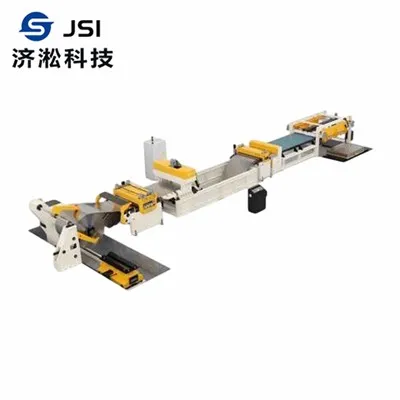
Hey there! As a transfer press supplier, I often get asked a bunch of questions about what our machines can and can't do. One query that pops up quite a bit is, "Can a transfer press be used for coining operations?" Well, let's dive right into it and find out.
First off, let's quickly go over what a transfer press is. A transfer press is a pretty nifty piece of equipment that's designed to move parts through a series of stations in a press. It can handle all sorts of operations like stamping, punching, and forming. There are different types of transfer presses out there, such as the Integrated Loading and Unloading Transfer Press, which comes with built - in systems to load and unload parts efficiently. Then there's the Independent Manipulator, which gives you more flexibility in moving parts around, and the Multi Press Transfer System, which can connect multiple presses for more complex operations.
Now, onto coining. Coining is a precision metalworking process. It involves squeezing a metal workpiece between two dies to create a detailed, high - precision shape. This process is often used to make things like coins (obviously), medals, and other parts that need a very accurate and detailed finish. The key in coining is applying a high amount of pressure to deform the metal precisely as required.
So, can a transfer press be used for coining? The short answer is yes, but there are some things to consider.
Advantages of Using a Transfer Press for Coining
1. Efficiency
One of the biggest perks of using a transfer press for coining is efficiency. Transfer presses are designed to move parts quickly from one station to another. This means that you can set up a coining operation as part of a larger production line. For example, you could have a pre - forming station before the coining station and a finishing station after it. With a transfer press, the parts can flow smoothly through these stations, reducing the overall production time.
2. Precision and Repeatability
Transfer presses are built to be very precise. They can control the movement of the parts and the application of force accurately. In coining, precision is crucial. You need to make sure that the pressure is evenly distributed across the workpiece to get a consistent and detailed finish. A well - calibrated transfer press can achieve this level of precision, and it can repeat the coining process over and over again with the same high level of accuracy. This is great for mass - producing high - quality coins or other coined parts.
3. Flexibility
Transfer presses offer a lot of flexibility. You can customize the number of stations and the operations at each station. If you want to add some additional steps to your coining process, like adding a surface treatment or a secondary forming operation, you can easily modify the transfer press setup. This flexibility allows you to adapt to different customer requirements and produce a wider range of coined products.
Challenges of Using a Transfer Press for Coining
1. Pressure Requirements
Coining requires a significant amount of pressure. You need to make sure that the transfer press you choose can generate enough force to deform the metal properly. Some transfer presses may not be able to reach the high pressure levels needed for certain coining applications. So, it's important to carefully evaluate the press's tonnage capacity before using it for coining.
2. Die Design
The dies used in coining are very critical. They need to be designed with high precision to create the desired shape on the workpiece. When using a transfer press for coining, the die design needs to be compatible with the press's movement and the way it transfers the parts. If the dies are not designed correctly, it can lead to issues like uneven coining, die wear, or even damage to the press.
3. Maintenance
Coining is a high - stress process, and it can put a lot of wear and tear on the transfer press and the dies. Regular maintenance is essential to keep the press running smoothly and to ensure the quality of the coined parts. You need to check the press's mechanical components, lubrication systems, and the condition of the dies regularly. Failure to do so can result in decreased productivity and lower - quality products.
How to Set Up a Transfer Press for Coining
If you've decided to use a transfer press for coining, here are the steps to get it set up properly.
1. Select the Right Press
As mentioned earlier, you need to choose a transfer press with enough tonnage capacity for your coining application. Consider the size and thickness of the workpieces and the amount of pressure required to coin them. Also, think about the type of transfer press that suits your production needs, whether it's an integrated loading and unloading press, an independent manipulator press, or a multi - press transfer system.
2. Design the Dies
Work with a skilled die designer to create the coining dies. The dies should be made from high - quality materials that can withstand the high pressure of coining. They need to be precisely machined to create the detailed shape you want. Make sure the die design is compatible with the transfer press's movement and the way it transfers the parts.
3. Calibrate the Press
Once you have the press and the dies, you need to calibrate the press. This involves setting the correct pressure, stroke length, and transfer speed. You may need to do some test runs with sample workpieces to fine - tune the settings and ensure that the coining process is working correctly.
4. Implement Quality Control
Set up a quality control system to monitor the coining process. Check the dimensions, surface finish, and overall quality of the coined parts regularly. This will help you catch any issues early and make adjustments to the process as needed.
Case Studies
Let's look at a couple of real - world examples of using transfer presses for coining.
Example 1: A Medallion Manufacturer
A small medallion manufacturer wanted to increase their production capacity while maintaining the high quality of their products. They decided to use an Independent Manipulator transfer press for their coining operations. By setting up a multi - station process with pre - forming, coining, and finishing stations, they were able to reduce the production time by 30%. The press's precision and flexibility allowed them to create detailed medallions with consistent quality, and they were able to take on more orders.
Example 2: A Coin Mint
A large - scale coin mint was looking for a more efficient way to produce coins. They installed a Multi Press Transfer System. This system connected multiple presses, allowing them to perform different operations in sequence. The coining station was integrated into this system, and they were able to achieve a much higher production rate. The transfer press's ability to control the movement of the blanks precisely ensured that the coins had a uniform weight and a detailed design.


Conclusion
In conclusion, a transfer press can definitely be used for coining operations. It offers many advantages in terms of efficiency, precision, and flexibility. However, you need to be aware of the challenges, such as pressure requirements and die design, and take the necessary steps to overcome them. If you're considering using a transfer press for coining, make sure to choose the right press for your needs, design the dies carefully, and implement a proper quality control system.
If you're interested in learning more about using our transfer presses for coining or any other metalworking operations, we'd love to hear from you. Whether you're a small - scale manufacturer looking to increase your production or a large - scale operation in need of a more efficient solution, we can help you find the right transfer press for your coining needs. Get in touch with us to start a conversation about your specific requirements and how our transfer presses can fit into your production process.
References
- "Metalworking Processes Handbook", John Wiley & Sons
- "Precision Coining: Principles and Applications", ASM International