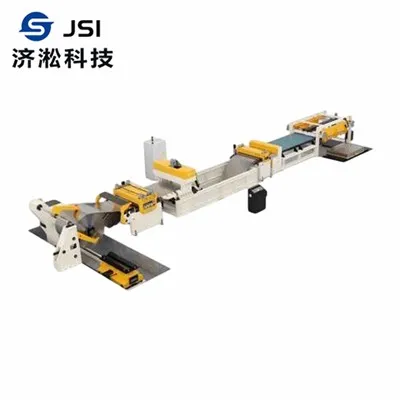
In the realm of modern manufacturing, independent manipulators have emerged as a cornerstone technology, offering unparalleled flexibility and efficiency in various industrial processes. As a leading supplier of Independent Manipulators, I often encounter inquiries about the availability of programming software tailored to these remarkable devices. In this blog post, I will delve into the world of programming software for independent manipulators, exploring its significance, features, and the impact it has on industrial operations.
The Role of Programming Software in Independent Manipulators
Independent manipulators, such as those found in an Independent Transfer System or an Integrated Loading and Unloading Transfer Press, are designed to perform a wide range of tasks with precision and speed. However, to fully harness their capabilities, specialized programming software is essential. This software serves as the brain of the manipulator, allowing operators to define and control its movements, actions, and interactions with other components in the production line.
One of the primary functions of programming software is to enable the creation of motion paths for the manipulator. These paths determine how the manipulator moves from one position to another, avoiding obstacles and ensuring smooth and efficient operation. The software allows operators to specify the exact coordinates, velocities, and accelerations of the manipulator's joints, as well as the timing and sequencing of its movements. This level of control is crucial for achieving high levels of accuracy and repeatability in manufacturing processes.
In addition to motion path planning, programming software also provides a range of other features and tools that enhance the functionality and usability of independent manipulators. For example, many software packages include simulation capabilities, which allow operators to test and validate their programs in a virtual environment before deploying them on the actual manipulator. This helps to identify and correct any potential issues or errors, reducing the risk of costly downtime and improving overall productivity.
Another important feature of programming software is its ability to integrate with other systems and devices in the production line. This includes sensors, actuators, robots, and other automation equipment, allowing the manipulator to communicate and collaborate with these components in real-time. For example, the software can be used to trigger the movement of the manipulator based on the input from a sensor, or to coordinate the actions of multiple manipulators working together on a single task. This level of integration is essential for achieving seamless and efficient operation in complex manufacturing environments.


Types of Programming Software for Independent Manipulators
There are several types of programming software available for independent manipulators, each with its own unique features and capabilities. The choice of software depends on a variety of factors, including the specific requirements of the application, the type of manipulator being used, and the level of expertise of the operator.
One of the most common types of programming software is teach pendant programming. This involves using a handheld device, known as a teach pendant, to manually guide the manipulator through a series of positions and actions. The teach pendant allows the operator to record these positions and actions, which can then be played back by the manipulator. Teach pendant programming is a simple and intuitive way to program independent manipulators, making it ideal for operators with limited programming experience.
Another type of programming software is offline programming. This involves using a computer-based software package to create and simulate the manipulator's programs without the need for the actual manipulator. Offline programming allows operators to design and test their programs in a virtual environment, which can save time and reduce the risk of errors. Once the program is complete, it can be transferred to the manipulator for deployment. Offline programming is particularly useful for complex applications that require a high level of accuracy and precision.
In addition to teach pendant programming and offline programming, there are also a number of other types of programming software available for independent manipulators, including robot programming languages, graphical programming interfaces, and application-specific software packages. Each of these types of software has its own unique features and capabilities, and the choice of software depends on the specific requirements of the application.
Benefits of Using Programming Software for Independent Manipulators
The use of programming software for independent manipulators offers a number of benefits for manufacturers, including increased productivity, improved quality, and reduced costs.
One of the primary benefits of using programming software is increased productivity. By allowing operators to define and control the manipulator's movements and actions with precision, the software helps to reduce the time and effort required to perform tasks. This can lead to significant increases in production output, as well as improved efficiency and throughput.
Another benefit of using programming software is improved quality. By ensuring that the manipulator moves and operates with high levels of accuracy and repeatability, the software helps to reduce the risk of errors and defects in the manufacturing process. This can lead to improved product quality, as well as reduced scrap and rework costs.
In addition to increased productivity and improved quality, the use of programming software for independent manipulators can also help to reduce costs. By automating repetitive and labor-intensive tasks, the software can help to reduce the need for manual labor, which can lead to significant cost savings. Additionally, the software can help to optimize the use of resources, such as energy and materials, which can further reduce costs.
Conclusion
In conclusion, programming software plays a crucial role in the operation and performance of independent manipulators. By providing operators with the ability to define and control the manipulator's movements and actions with precision, the software helps to increase productivity, improve quality, and reduce costs. As a leading supplier of Independent Manipulators, I am committed to providing our customers with the latest and most advanced programming software solutions to help them achieve their manufacturing goals.
If you are interested in learning more about our independent manipulators or the programming software we offer, please do not hesitate to contact us. Our team of experts is available to answer your questions and provide you with the information you need to make an informed decision. We look forward to working with you to help you achieve your manufacturing goals.
References
- Robotics Programming Handbook, Second Edition, by Peter Corke
- Industrial Robotics: Programming, Simulation, and Applications, by John Billingsley
- Programming Industrial Robots: A Practical Guide, by David L. Heiserman