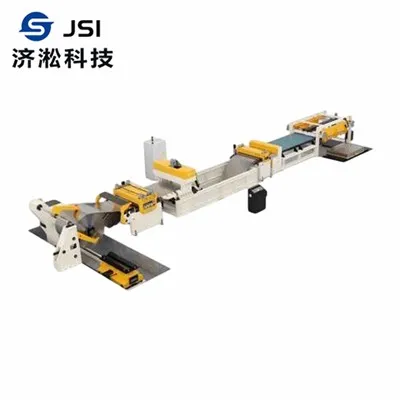
When it comes to metal processing, using a thick sheet straightener in a harsh environment presents unique challenges that demand special considerations. As a seasoned supplier of Thick Sheet Straightener, I've witnessed firsthand the importance of understanding these requirements to ensure optimal performance and longevity of the equipment.
Environmental Conditions and Their Impact
Harsh environments can vary widely, including extreme temperatures, high humidity, dusty or corrosive atmospheres, and high - vibration settings. Each of these conditions can take a toll on the thick sheet straightener.
Extreme Temperatures
In extremely cold environments, the metal components of the straightener can become brittle. This brittleness increases the risk of cracks and fractures, especially during the high - stress operation of straightening thick sheets. For example, in an outdoor cold - storage facility where the temperature can drop well below freezing, the structural integrity of the straightener's rollers and frames may be compromised.
Conversely, high - temperature environments can cause thermal expansion. The rollers and other moving parts may expand unevenly, leading to misalignment. In a foundry or a heat - treating plant, where temperatures can soar, the straightener's precision can be severely affected. The lubricants used in the machine may also break down more quickly at high temperatures, reducing their effectiveness in reducing friction and wear.
High Humidity
Humidity can lead to corrosion, especially if the thick sheet straightener is not properly protected. In coastal areas or in facilities near large bodies of water, the moisture in the air can react with the metal surfaces of the straightener. Rust can form on the rollers, shafts, and other critical components. Corrosion not only affects the appearance of the machine but also its functionality. Rusty rollers may not provide a smooth surface for the sheets, leading to uneven straightening and potential damage to the sheets themselves.


Dusty and Corrosive Atmospheres
In industries such as mining, construction, or chemical processing, the air can be filled with dust particles or corrosive chemicals. Dust can infiltrate the moving parts of the straightener, such as the bearings and gears. Over time, this can cause abrasion and wear, reducing the efficiency and lifespan of these components.
Corrosive chemicals, on the other hand, can eat away at the metal surfaces. For instance, in a chemical plant where acids or alkalis are present, the protective coatings on the straightener may be compromised. This exposes the underlying metal to further corrosion, which can lead to structural failures and costly repairs.
High - Vibration Settings
High - vibration environments, such as those near heavy machinery or on construction sites, can pose a significant challenge. Excessive vibration can loosen the bolts and fasteners of the thick sheet straightener. This can lead to misalignment of the rollers and other components, affecting the straightening accuracy. Additionally, the constant shaking can cause fatigue in the metal parts, increasing the risk of cracks and failures.
Special Requirements for Harsh Environments
Material Selection
To withstand harsh environments, the choice of materials for the thick sheet straightener is crucial. For areas with high corrosion risk, stainless steel or other corrosion - resistant alloys should be used for critical components. For example, the rollers can be made of stainless steel to resist rust in humid or corrosive atmospheres.
In high - temperature environments, heat - resistant materials such as high - alloy steels can be used. These materials can maintain their strength and dimensional stability at elevated temperatures, ensuring the straightener operates effectively.
Protective Coatings
Applying protective coatings is an effective way to shield the straightener from environmental factors. For dusty environments, a powder - coating can be used to create a barrier against dust particles. In corrosive atmospheres, epoxy or zinc - rich coatings can provide excellent corrosion resistance. These coatings can prevent direct contact between the metal surfaces and the corrosive agents in the air.
Sealing and Enclosure
Proper sealing is essential to prevent dust, moisture, and chemicals from entering the internal components of the straightener. Seals can be installed around the bearings, gears, and other moving parts. In addition, enclosing the straightener in a protective housing can provide an extra layer of protection. This housing can be designed to be airtight or to have filters to remove dust and contaminants from the air entering the enclosure.
Lubrication
In harsh environments, the lubrication system of the thick sheet straightener needs to be carefully designed. High - temperature lubricants should be used in hot environments to prevent breakdown. In dusty conditions, lubricants with good anti - wear properties and the ability to resist contamination are required. Regular lubricant changes and inspections are also necessary to ensure the lubrication system is functioning properly.
Maintenance and Monitoring
Regular maintenance is even more critical in harsh environments. This includes cleaning the straightener to remove dust and debris, checking for signs of corrosion or wear, and tightening loose bolts and fasteners. Monitoring systems can also be installed to detect early signs of problems. For example, sensors can be used to measure temperature, vibration, and lubricant levels. This allows for proactive maintenance and can prevent major breakdowns.
Adaptability and Customization
As a Thick Sheet Straightener supplier, we understand that each harsh environment is unique. That's why we offer customizable solutions to meet the specific needs of our customers.
Custom - Built Designs
We can design thick sheet straighteners with specific features to suit different harsh environments. For example, in a high - vibration environment, we can reinforce the frame and use vibration - damping materials to reduce the impact of vibration. In a corrosive environment, we can increase the thickness of the protective coatings or use more corrosion - resistant materials throughout the machine.
Compatibility with Other Equipment
Our straighteners can be designed to be compatible with other equipment in the harsh environment. For instance, in a production line where there are other heavy - duty machines, our straighteners can be integrated seamlessly. This ensures smooth operation and maximizes the overall efficiency of the production process.
Comparison with Other Straighteners
It's important to note that the requirements for a thick sheet straightener in a harsh environment are different from those of a Thin Sheet Straightener or an S Type Straightener.
Thin sheet straighteners are designed for lighter - gauge sheets and may not have the same structural strength or durability required for thick sheets in harsh conditions. The rollers and other components of a thin sheet straightener are typically smaller and less robust.
S type straighteners, on the other hand, have a different configuration. While they can be effective for certain types of straightening tasks, they may not be as well - suited for the high - stress and harsh - environment challenges associated with thick sheet straightening.
Conclusion
Using a thick sheet straightener in a harsh environment requires careful consideration of the environmental conditions and the implementation of special requirements. From material selection and protective coatings to proper sealing and maintenance, every aspect of the straightener needs to be optimized.
As a trusted supplier of Thick Sheet Straightener, we are committed to providing high - quality, customized solutions to our customers. If you are facing the challenge of using a thick sheet straightener in a harsh environment, we invite you to contact us for a detailed discussion on how we can meet your specific needs. Our team of experts is ready to assist you in choosing the right straightener and ensuring its long - term performance in your unique environment.
References
- "Metalworking Machinery Handbook" - A comprehensive guide on the design and operation of metal - working equipment.
- "Corrosion Prevention and Control in Industrial Environments" - A resource on understanding and combating corrosion in various industrial settings.
- "Materials Science for Engineers" - Provides in - depth knowledge on the properties and selection of materials for different applications.