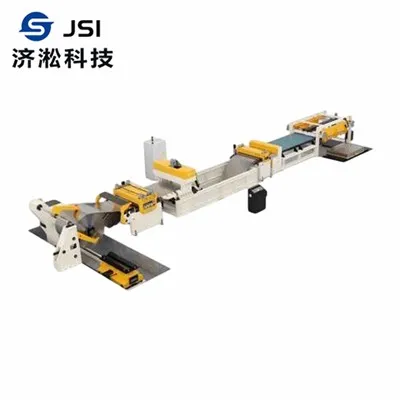
Yo, folks! I'm an insider in the industry as a supplier of Zigzag Blanking Line. Today, I wanna dig deep into how the material surface condition affects the performance of a zigzag blanking line.
Let's start with the basics. A zigzag blanking line is a crucial piece of equipment in the metalworking industry. It's used to cut metal sheets into various shapes and sizes. The efficiency and quality of the blanking process rely heavily on the condition of the material's surface.
Impact on Tool Wear
First off, let's talk about tool wear. When the material surface is rough or has impurities, it can significantly increase the wear and tear on the cutting tools of the zigzag blanking line. Imagine trying to cut through a piece of sandpaper - it's gonna be tough on your blade, right? The same goes for the cutting tools in a blanking line.
Rough surfaces can cause uneven stress distribution on the cutting edges. This uneven stress leads to premature dulling of the tools. For example, if there are small bumps or ridges on the metal sheet, the cutting tool has to work harder at those points. Over time, this can cause the edges to chip or break, reducing the tool's lifespan.
Moreover, impurities like rust or scale on the material surface can act like abrasives. As the cutting tool moves across the surface, these impurities grind against the tool, accelerating the wear process. This not only means more frequent tool replacements but also increases the overall cost of production.
Quality of Blanked Parts
The surface condition of the material also has a direct impact on the quality of the blanked parts. A smooth and clean surface is essential for achieving precise cuts and high - quality finished products.
When the material surface is rough, it can cause burrs on the edges of the blanked parts. Burrs are small, unwanted projections of material that form during the cutting process. They can affect the fit and function of the parts, especially in applications where tight tolerances are required. For instance, in the automotive industry, parts with burrs may not assemble correctly, leading to potential safety issues.
In addition, a dirty or contaminated surface can result in inconsistent cuts. If there are oil stains or debris on the material, it can interfere with the cutting process. The cutting tool may not be able to penetrate the material evenly, causing variations in the size and shape of the blanked parts. This can lead to a higher rejection rate, as parts that do not meet the required specifications have to be discarded.

Feeding and Conveying
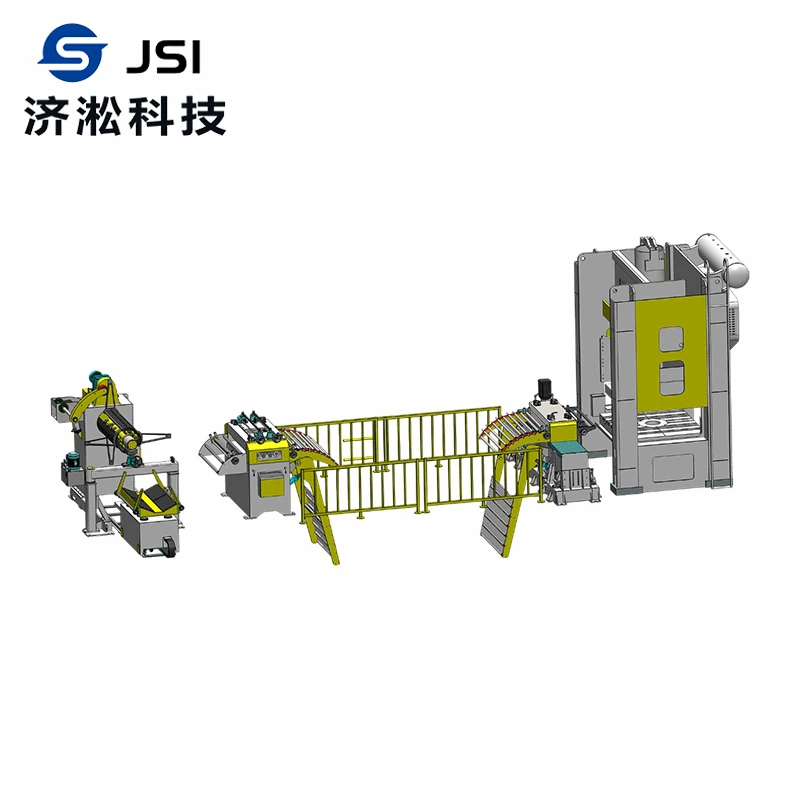
Another aspect to consider is the feeding and conveying of the material through the zigzag blanking line. The surface condition of the material can affect how smoothly it moves through the system.
A rough or sticky surface can cause problems during the feeding process. The material may not feed evenly, leading to misalignment or jams in the blanking line. For example, if the metal sheet has a high coefficient of friction due to a rough surface, it may not slide easily through the feeding rollers. This can result in the material getting stuck or being fed at an incorrect angle, which can disrupt the entire blanking process.
Similarly, when it comes to conveying the blanked parts, a dirty or uneven surface can cause issues. The parts may not move smoothly on the conveyor belts, leading to potential damage or misplacement. This can slow down the production line and reduce overall efficiency.
Impact on Production Speed
The surface condition of the material can also influence the production speed of the zigzag blanking line. A poor surface condition often requires slower cutting speeds to ensure the quality of the blanked parts.
As mentioned earlier, rough surfaces and impurities increase the risk of tool wear and poor - quality cuts. To minimize these risks, operators may have to reduce the cutting speed. This means that the blanking line can produce fewer parts per unit of time, reducing the overall productivity.
For example, in a high - volume production environment, a slowdown in the cutting speed can have a significant impact on the output. If the production line is designed to produce a certain number of parts per hour, a reduction in speed due to poor material surface condition can lead to missed production targets.
Solutions and Considerations
So, what can we do to mitigate the effects of poor material surface condition? One solution is to pre - treat the material before it enters the zigzag blanking line. This can include processes like cleaning, deburring, and descaling.
Cleaning the material removes dirt, oil, and other contaminants from the surface. This can be done using solvents or mechanical cleaning methods. Deburring gets rid of any existing burrs on the material, ensuring a smooth surface for cutting. Descaling is used to remove rust and scale, which can cause tool wear and quality issues.
Another option is to invest in high - quality cutting tools that are more resistant to wear. Tools made from advanced materials like carbide can withstand the stress of cutting rough or contaminated surfaces better than traditional tools. However, these tools are usually more expensive, so a cost - benefit analysis is necessary.
Other Blanking Line Options
If you're looking for other types of blanking lines, we also offer High Speed Blanking Line and Multi Cut Precison Blanking Line. The high - speed blanking line is designed for high - volume production, where speed is of the essence. It can achieve rapid cutting speeds while maintaining a certain level of quality.
The multi - cut precision blanking line, on the other hand, is ideal for applications that require high precision. It can make multiple cuts on the material with great accuracy, ensuring that the blanked parts meet the strictest specifications.
Conclusion
In conclusion, the surface condition of the material plays a vital role in the performance of a zigzag blanking line. It affects tool wear, the quality of blanked parts, feeding and conveying, and production speed. As a supplier, we understand the importance of these factors and are committed to helping our customers achieve the best results.
If you're in the market for a zigzag blanking line or have any questions about how to optimize your blanking process, don't hesitate to reach out. We're here to assist you in making the right choices for your production needs. Whether it's dealing with material surface issues or choosing the right type of blanking line, we've got the expertise to guide you.
References
- "Metal Cutting Technology: Theory and Practice" by John A. Schey
- "Manufacturing Engineering and Technology" by S. Kalpakjian and S. R. Schmid