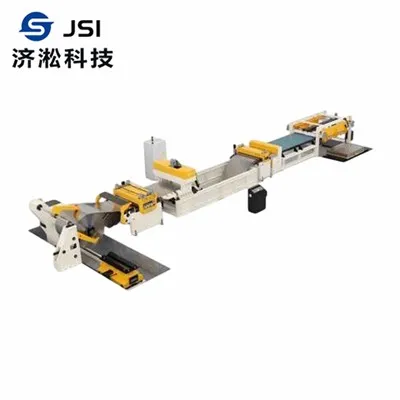
As a seasoned decoiler supplier, I've witnessed firsthand the remarkable versatility of decoilers in processing a wide array of materials. Decoilers are essential machines in various industries, designed to unwind coiled materials smoothly and efficiently, preparing them for further processing. In this blog post, I'll delve into the different materials that a decoiler can handle, highlighting their unique characteristics and applications.
Metals
Metals are perhaps the most common materials processed by decoilers. The high strength and durability of metals make them ideal for a wide range of applications, from construction to automotive manufacturing.
Steel
Steel is one of the most widely used metals in the world, and decoilers play a crucial role in its processing. Steel coils can vary in thickness, width, and grade, and decoilers are designed to handle them all. Whether it's mild steel, stainless steel, or high-strength steel, a well-designed decoiler can unwind the coils smoothly, ensuring a continuous feed for subsequent processes such as cutting, stamping, or welding. For example, in the automotive industry, steel coils are decoiled and then formed into various parts, including body panels, frames, and engine components. The Coil Decoiler is specifically engineered to handle steel coils of different sizes and weights, providing a reliable and efficient solution for steel processing.
Aluminum
Aluminum is another popular metal processed by decoilers. Known for its lightweight, corrosion resistance, and high conductivity, aluminum is widely used in industries such as aerospace, electronics, and packaging. Decoilers can handle aluminum coils with ease, unwinding them for further processing, such as rolling, extrusion, or sheet metal fabrication. In the aerospace industry, aluminum coils are decoiled and then formed into aircraft parts, such as wings, fuselages, and engine components. The lightweight nature of aluminum helps to reduce the overall weight of the aircraft, improving fuel efficiency and performance. Our Decoiler with Coil Car is equipped with advanced features to handle aluminum coils, ensuring precise and smooth unwinding.


Copper
Copper is a highly conductive metal with excellent thermal and electrical properties. It is commonly used in the electrical and electronics industries, as well as in plumbing and heating applications. Decoilers can process copper coils, unwinding them for further processing, such as wire drawing, tube forming, or sheet metal fabrication. In the electrical industry, copper coils are decoiled and then used to manufacture electrical wires, cables, and transformers. The high conductivity of copper ensures efficient transmission of electricity, making it an essential material in modern electrical systems.
Plastics
Plastics are versatile materials that are widely used in various industries, including packaging, automotive, and consumer goods. Decoilers can process plastic coils, unwinding them for further processing, such as extrusion, injection molding, or thermoforming.
Polyethylene (PE)
Polyethylene is one of the most commonly used plastics in the world. It is known for its low cost, high flexibility, and excellent chemical resistance. Decoilers can handle polyethylene coils, unwinding them for further processing, such as film blowing, pipe extrusion, or injection molding. In the packaging industry, polyethylene coils are decoiled and then used to manufacture plastic bags, films, and containers. The flexibility and durability of polyethylene make it an ideal material for packaging applications.
Polypropylene (PP)
Polypropylene is another popular plastic processed by decoilers. It is known for its high strength, stiffness, and heat resistance. Decoilers can handle polypropylene coils, unwinding them for further processing, such as fiber spinning, sheet extrusion, or injection molding. In the automotive industry, polypropylene coils are decoiled and then used to manufacture interior and exterior parts, such as dashboards, bumpers, and door panels. The high strength and stiffness of polypropylene make it an ideal material for automotive applications.
Polyvinyl Chloride (PVC)
Polyvinyl chloride is a widely used plastic known for its versatility, durability, and low cost. Decoilers can handle PVC coils, unwinding them for further processing, such as pipe extrusion, profile extrusion, or film blowing. In the construction industry, PVC coils are decoiled and then used to manufacture pipes, fittings, and window frames. The durability and low cost of PVC make it an ideal material for construction applications.
Paper and Cardboard
Paper and cardboard are essential materials in the packaging and printing industries. Decoilers can process paper and cardboard coils, unwinding them for further processing, such as printing, cutting, or folding.
Paper
Paper is a versatile material that is used in a wide range of applications, including packaging, printing, and stationery. Decoilers can handle paper coils, unwinding them for further processing, such as printing on a web press or converting into paper bags or boxes. In the printing industry, paper coils are decoiled and then fed into a printing press, where they are printed with text, images, or graphics. The smooth unwinding provided by a decoiler ensures consistent printing quality and efficient production.
Cardboard
Cardboard is a thick, stiff paper material that is commonly used for packaging. Decoilers can handle cardboard coils, unwinding them for further processing, such as die-cutting, folding, and gluing to create cardboard boxes and packaging materials. In the packaging industry, cardboard coils are decoiled and then converted into various types of packaging, including shipping boxes, display boxes, and product packaging. The ability of a decoiler to handle cardboard coils efficiently is crucial for meeting the high production demands of the packaging industry.
Other Materials
In addition to metals, plastics, paper, and cardboard, decoilers can also process other materials, such as textiles, rubber, and composite materials.
Textiles
Textiles are materials made from fibers, such as cotton, wool, silk, or synthetic fibers. Decoilers can handle textile coils, unwinding them for further processing, such as weaving, knitting, or dyeing. In the textile industry, textile coils are decoiled and then fed into a weaving or knitting machine, where they are transformed into fabrics. The smooth unwinding provided by a decoiler ensures consistent fabric quality and efficient production.
Rubber
Rubber is a flexible and elastic material that is used in a wide range of applications, including automotive tires, seals, and gaskets. Decoilers can handle rubber coils, unwinding them for further processing, such as extrusion, molding, or vulcanization. In the automotive industry, rubber coils are decoiled and then used to manufacture tires, hoses, and seals. The ability of a decoiler to handle rubber coils smoothly is essential for ensuring the quality and performance of rubber products.
Composite Materials
Composite materials are made by combining two or more different materials to create a material with enhanced properties. Decoilers can handle composite material coils, unwinding them for further processing, such as layup, molding, or curing. In the aerospace and automotive industries, composite materials are used to manufacture lightweight and high-strength parts, such as aircraft wings, automotive body panels, and sports equipment. The precise unwinding provided by a decoiler is crucial for ensuring the quality and performance of composite products.
Conclusion
In conclusion, decoilers are incredibly versatile machines that can process a wide variety of materials, including metals, plastics, paper, cardboard, textiles, rubber, and composite materials. The ability to handle different materials makes decoilers an essential tool in various industries, enabling efficient and continuous processing of coiled materials. As a decoiler supplier, we offer a range of decoilers, such as the Decoiler with Coil Car, Recoiler Machine, and Coil Decoiler, designed to meet the specific needs of different materials and applications.
If you're in the market for a decoiler or have any questions about the materials a decoiler can process, please don't hesitate to contact us. Our team of experts is ready to assist you in finding the right solution for your processing needs. We look forward to the opportunity to work with you and help you achieve your production goals.
References
- ASM Handbook, Volume 1: Properties and Selection: Irons, Steels, and High-Performance Alloys, ASM International
- Plastics Technology Handbook, Third Edition, George W. Becker
- The Printing Handbook, Fifth Edition, Christopher C. Coates
- Textile Fibre Science, Third Edition, John W. S. Hearle