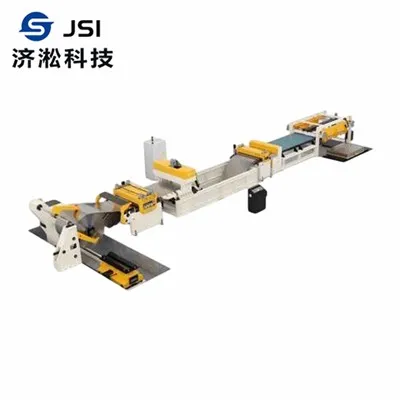
As a provider of thin sheet straighteners, I've been deeply involved in understanding how these machines perform under various conditions. One question that often comes up, especially in today's technology - driven world, is about the straightening performance of a thin sheet straightener in areas with high electromagnetic radiation. This exploration is not only crucial for industries operating in such environments but also for ensuring the long - term reliability of our products.
The Basics of Thin Sheet Straighteners
Before delving into the impact of high electromagnetic radiation, let's briefly understand what a thin sheet straightener does. A thin sheet straightener is a specialized machine designed to correct the flatness of thin metal sheets. These sheets can be made of various materials such as steel, aluminum, or copper, and are used in a wide range of industries, including automotive, aerospace, and electronics.
There are different types of thin sheet straighteners available in the market. For instance, the Straightener - top Flip Up offers a unique design that allows for easy access to the straightening rolls, facilitating quick maintenance and adjustment. The S Type Straightener is known for its efficient straightening process, which can handle a variety of sheet thicknesses with high precision.
The Impact of High Electromagnetic Radiation on Thin Sheet Straighteners
High electromagnetic radiation can originate from various sources, such as power plants, radio transmitters, and industrial equipment. When a thin sheet straightener is exposed to such radiation, several aspects of its performance can be affected.
1. Electrical Components
Most modern thin sheet straighteners are equipped with advanced electrical control systems that rely on sensitive electronic components. High electromagnetic radiation can induce electrical currents in these components, leading to malfunctions or even permanent damage. For example, the control circuits that regulate the speed and pressure of the straightening rolls may experience interference, causing inaccurate adjustments and reduced straightening quality.
2. Sensor Accuracy
Thin sheet straighteners often use sensors to measure the thickness, flatness, and other properties of the sheets being processed. Electromagnetic radiation can disrupt the normal operation of these sensors, leading to inaccurate readings. If the sensor that measures the sheet thickness provides incorrect data, the straightener may apply the wrong amount of pressure, resulting in uneven straightening or even damage to the sheet.
3. Mechanical Systems
Although mechanical systems are generally less susceptible to electromagnetic radiation than electrical components, long - term exposure can still have an impact. For example, the bearings and gears in the straightener may experience increased wear and tear due to the induced vibrations caused by electromagnetic interference. This can lead to reduced mechanical efficiency and a shorter lifespan of the machine.
Mitigating the Effects of High Electromagnetic Radiation
To ensure the optimal performance of thin sheet straighteners in areas with high electromagnetic radiation, several mitigation strategies can be employed.
1. Shielding
One of the most effective ways to protect the straightener from electromagnetic radiation is to use shielding materials. These materials can be used to enclose the electrical components and sensors of the machine, preventing the radiation from reaching them. For example, metal enclosures made of aluminum or steel can act as Faraday cages, blocking the electromagnetic fields.
2. Filtering
Electrical filters can be installed in the power supply and control circuits of the straightener to remove the unwanted electromagnetic interference. These filters work by allowing the desired electrical signals to pass through while blocking the high - frequency noise caused by the radiation.
3. Regular Maintenance and Inspection
Regular maintenance and inspection are essential to detect and address any issues caused by electromagnetic radiation. This includes checking the electrical components for signs of damage, calibrating the sensors, and lubricating the mechanical parts. By identifying and fixing problems early, the performance and lifespan of the straightener can be significantly improved.
Case Studies
Let's take a look at some real - world examples to understand the practical implications of high electromagnetic radiation on thin sheet straighteners.
In a manufacturing plant located near a large radio transmitter, a thin sheet straightener started experiencing frequent malfunctions. The control system would randomly change the settings, and the sensors would provide inconsistent readings. After a thorough investigation, it was found that the high electromagnetic radiation from the transmitter was the cause. The plant installed shielding enclosures around the electrical components and filters in the power supply, which significantly reduced the interference and restored the normal operation of the straightener.
Another case involved a thin sheet straightener used in an electronics manufacturing facility. The facility had a high - density of electrical equipment, generating a complex electromagnetic environment. Over time, the mechanical parts of the straightener showed signs of accelerated wear. By implementing a regular maintenance schedule and improving the lubrication system, the plant was able to mitigate the effects of the radiation and extend the lifespan of the machine.


Conclusion
In conclusion, high electromagnetic radiation can have a significant impact on the straightening performance of thin sheet straighteners. However, by understanding the potential problems and implementing appropriate mitigation strategies, it is possible to ensure the reliable operation of these machines in such environments.
As a supplier of thin sheet straighteners, we are committed to providing our customers with high - quality products that can withstand various operating conditions. We continuously invest in research and development to improve the electromagnetic compatibility of our machines and offer comprehensive after - sales support.
If you are interested in learning more about our thin sheet straighteners or have any questions regarding their performance in high - electromagnetic - radiation areas, please feel free to contact us for a detailed discussion. We look forward to the opportunity to work with you and help you find the best straightening solutions for your specific needs.
References
- "Electromagnetic Compatibility in Industrial Environments" - IEEE Transactions on Electromagnetic Compatibility
- "The Impact of Electromagnetic Radiation on Electronic Devices" - Journal of Electronic Engineering
- "Maintenance Strategies for Machines in High - Radiation Environments" - International Journal of Industrial Maintenance