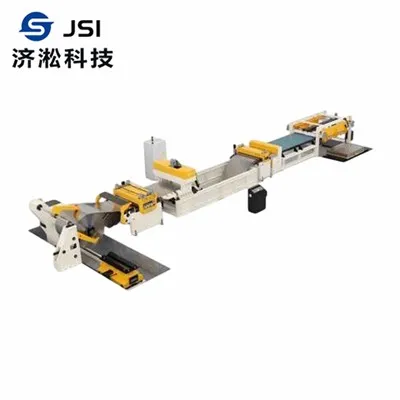
The power source requirement of high - speed gear feeders is a critical aspect that impacts their performance, efficiency, and overall functionality. As a supplier of high - speed gear feeders, understanding these requirements is essential for providing the best solutions to our customers.
Types of Power Sources for High - Speed Gear Feeders
High - speed gear feeders can be powered by different sources, each with its own set of advantages and limitations. The most common power sources include electric motors, hydraulic systems, and pneumatic systems.
Electric Motors
Electric motors are perhaps the most widely used power source for high - speed gear feeders. They offer several benefits, such as high efficiency, precise control, and relatively low maintenance requirements. Electric motors can be easily integrated with modern control systems, allowing for accurate speed and torque adjustments.
One of the key advantages of electric motors is their ability to provide consistent power output. This is crucial for high - speed gear feeders, as they need to maintain a stable feeding rate to ensure the quality of the production process. Additionally, electric motors can be designed to operate at different speeds, making them suitable for a wide range of applications.
However, electric motors also have some limitations. They require a reliable electrical supply, which may not be available in all locations. In some industrial settings, power outages or voltage fluctuations can disrupt the operation of the feeder. Moreover, electric motors can be relatively expensive to purchase and install, especially for high - power applications.
Hydraulic Systems
Hydraulic systems are another option for powering high - speed gear feeders. Hydraulic power offers high force and torque capabilities, making it suitable for heavy - duty applications. Hydraulic systems can also provide smooth and continuous power delivery, which is beneficial for the accurate feeding of materials.
One of the main advantages of hydraulic systems is their ability to handle high loads. They can easily drive large gears and mechanisms, enabling the feeder to handle thick and heavy sheets of material. Hydraulic systems are also less affected by environmental factors such as dust and moisture compared to electric motors.
On the other hand, hydraulic systems have some drawbacks. They are more complex and require regular maintenance to ensure proper operation. Leakage of hydraulic fluid can also be a problem, which not only affects the performance of the system but also poses environmental and safety risks. Additionally, hydraulic systems are generally less energy - efficient than electric motors.
Pneumatic Systems
Pneumatic systems use compressed air as a power source. They are relatively simple and inexpensive to install, making them a popular choice for small - to medium - sized high - speed gear feeders. Pneumatic systems can provide quick and precise movements, which is suitable for applications that require high - speed feeding.
Pneumatic systems are also clean and environmentally friendly, as they do not produce any emissions. They are easy to maintain and can be easily integrated with other pneumatic components in the production line. However, pneumatic systems have limited force and torque capabilities compared to hydraulic and electric systems. They may not be suitable for applications that require the feeding of heavy or thick materials.
Factors Affecting Power Source Requirements
Several factors influence the power source requirements of high - speed gear feeders. These factors need to be carefully considered when selecting the appropriate power source for a specific application.


Feeding Speed
The feeding speed of the high - speed gear feeder is one of the most important factors. Higher feeding speeds generally require more power to drive the gears and move the materials quickly. For example, if a feeder is designed to feed materials at a very high speed, an electric motor with a high power rating or a hydraulic system with sufficient force may be required.
Material Thickness and Weight
The thickness and weight of the materials being fed also play a significant role in determining the power source requirements. Thicker and heavier materials require more force to move, which means that a power source with higher torque capabilities is needed. For instance, when feeding thick metal sheets, a hydraulic or high - power electric motor may be more suitable than a pneumatic system.
Duty Cycle
The duty cycle of the feeder refers to the amount of time the feeder is in operation compared to the total time. If the feeder has a high duty cycle, it needs a power source that can handle continuous operation without overheating or experiencing excessive wear. Electric motors are often a good choice for high - duty - cycle applications, as they can be designed for continuous operation.
Precision Requirements
In some applications, high precision is required in the feeding process. For example, in the electronics industry, the feeding of small components needs to be extremely accurate. Power sources that can provide precise control, such as electric motors with servo control systems, are often preferred in such cases.
Our Solutions as a High - Speed Gear Feeder Supplier
As a supplier of high - speed gear feeders, we understand the diverse power source requirements of our customers. We offer a range of feeders powered by different power sources to meet various application needs.
For customers who require high - speed and precise feeding, we provide feeders powered by electric motors with advanced control systems. These feeders can be customized to meet specific speed and precision requirements. We also offer Medium Sheet Mechanical Feeder and Thin Sheet Mechanical Feeder options, which are suitable for different material thicknesses.
For heavy - duty applications, our hydraulic - powered high - speed gear feeders are a great choice. They can handle thick and heavy materials with ease, providing reliable and efficient feeding. Our Mechanical Feeder for Power Press is an example of a hydraulic - powered feeder that is widely used in the metalworking industry.
If customers have limited power requirements or need a cost - effective solution, our pneumatic - powered feeders are available. These feeders are simple, easy to operate, and suitable for small - to medium - sized applications.
Contact Us for Purchase and Consultation
We are committed to providing the best high - speed gear feeders and related solutions to our customers. If you are interested in our products or have any questions about the power source requirements of high - speed gear feeders, please feel free to contact us. Our team of experts will be happy to assist you in selecting the most suitable feeder and power source for your specific application.
References
- Industrial Feeder Handbook: A comprehensive guide to different types of feeders and their power requirements.
- Journal of Manufacturing Technology: Articles on the latest advancements in high - speed gear feeder technology and power sources.
- Manufacturer's specifications of electric motors, hydraulic systems, and pneumatic components used in high - speed gear feeders.