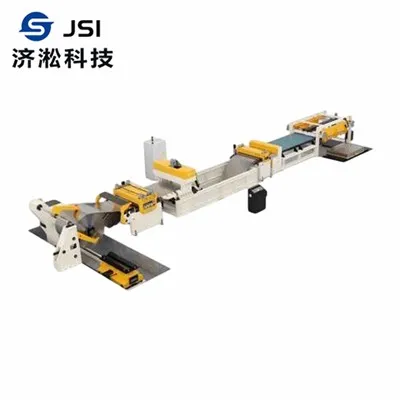
Hey there! As a decoiler supplier, I often get asked about the power consumption of a decoiler. It's a pretty important question, especially for those who are looking to manage their energy costs and make their operations more efficient. So, let's dive right into it and break down what affects the power consumption of a decoiler.
First off, what exactly is a decoiler? A decoiler is a machine used in the metalworking industry to unwind coils of metal, like steel or aluminum. It's a crucial part of many manufacturing processes, as it prepares the metal for further processing, such as cutting, stamping, or forming. There are different types of decoilers, including Decoiler with Coil Car, Coil Decoiler, and Hydraulic Decoiler Machine, each with its own features and power requirements.
The power consumption of a decoiler depends on several factors. One of the main factors is the size and weight of the coil. Larger and heavier coils require more power to unwind because the machine has to overcome greater inertia and friction. For example, if you're working with a thick, wide coil of heavy-gauge steel, the decoiler will need to use more energy to start and keep the coil moving smoothly. On the other hand, a smaller, lighter coil of thinner metal will consume less power.
Another factor that affects power consumption is the speed at which the decoiler operates. The faster the decoiler unwinds the coil, the more power it will use. This is because the motor has to work harder to drive the rotation of the coil at a higher speed. However, in some cases, running the decoiler at a higher speed can actually be more energy-efficient in the long run, as it can reduce the overall processing time and increase productivity. It's all about finding the right balance between speed and power consumption for your specific application.
The type of drive system used in the decoiler also plays a role in power consumption. There are two main types of drive systems: electric and hydraulic. Electric decoilers are generally more energy-efficient than hydraulic ones because they convert electrical energy directly into mechanical energy with less loss. Hydraulic decoilers, on the other hand, use a hydraulic pump to generate the force needed to unwind the coil, which can result in higher power consumption due to the inefficiencies of the hydraulic system. However, hydraulic decoilers are often preferred for heavy-duty applications because they can provide more torque and better control.
The efficiency of the motor is another important factor. A high-efficiency motor will use less power to perform the same amount of work as a low-efficiency motor. When choosing a decoiler, it's a good idea to look for one with a high-efficiency motor to reduce energy costs. Additionally, some decoilers are equipped with variable frequency drives (VFDs), which can adjust the speed of the motor based on the load requirements. This allows the decoiler to use only the amount of power needed at any given time, further improving energy efficiency.
Let's talk about some real-world examples to give you a better idea of the power consumption of a decoiler. A small, single-head decoiler used for light-gauge metal processing might have a power rating of around 1 - 3 kilowatts (kW). This type of decoiler is typically used in small workshops or for low-volume production. On the other hand, a large, multi-head decoiler used in a high-volume manufacturing plant could have a power rating of 10 kW or more, especially if it's designed to handle heavy coils at high speeds.
To get a more accurate estimate of the power consumption of a decoiler for your specific application, you need to consider all the factors we've discussed above. You can also consult with the decoiler manufacturer or supplier, like me! We can provide you with detailed technical specifications and help you calculate the expected power consumption based on your coil size, speed requirements, and other parameters.
In addition to reducing power consumption, there are other benefits to using an energy-efficient decoiler. It can help you save money on your electricity bills, which is always a plus. It also reduces your carbon footprint, making your operations more environmentally friendly. And let's not forget about the potential for increased productivity. An energy-efficient decoiler can often operate more smoothly and reliably, reducing downtime and improving the overall quality of your products.
If you're in the market for a decoiler and want to learn more about power consumption and other features, don't hesitate to reach out. As a decoiler supplier, I have a wide range of options to suit different needs and budgets. Whether you're looking for a Decoiler with Coil Car, a Coil Decoiler, or a Hydraulic Decoiler Machine, I can help you find the right machine for your business.


We can have a detailed discussion about your specific requirements, and I'll provide you with all the information you need to make an informed decision. I'm here to support you every step of the way, from choosing the right decoiler to installation and after-sales service. So, if you're ready to take your metalworking operations to the next level, let's start the conversation!
References
- Metalworking Machinery Handbook
- Industry reports on energy efficiency in manufacturing equipment