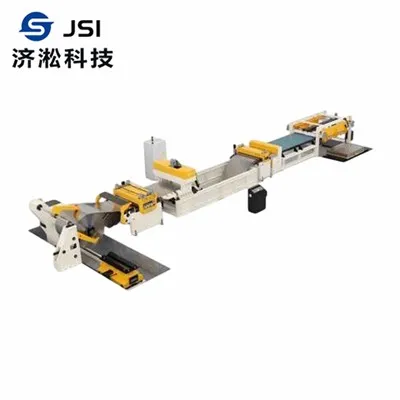
Hey there! I'm a supplier of High Speed Slitting Lines, and today I want to talk about something super important: the impact of blade material on the slitting performance of a High Speed Slitting Line.
First off, let's understand what a High Speed Slitting Line is. It's a piece of equipment that cuts large coils of material into narrower strips. You can check out more about it here: High Speed Slitting Line. These lines are used in various industries, like steel, aluminum, and even some coating materials. If you're interested in coating material slitting, here's a link: Coating Material Slitting Line. And for those dealing with steel coils, this Steel Coil Slitting Line might be what you need.
Now, let's dive into the blade material. The blade is the heart of the slitting process. It's what actually does the cutting, so its material can have a huge impact on how well the whole line works.
One of the most common blade materials is high - speed steel (HSS). HSS blades are known for their high hardness and good wear resistance. They can maintain their cutting edge for a relatively long time, which is great for continuous slitting operations. In a high - speed slitting line, where the blades are constantly in contact with the material being slit, wear resistance is crucial. If the blades wear out too quickly, you'll have to replace them often, which means more downtime and higher costs.
Another popular blade material is carbide. Carbide blades are even harder than HSS blades. They offer excellent wear resistance, especially when slitting hard materials like stainless steel. The high hardness of carbide allows it to cut through tough materials with ease, and it can maintain a sharp cutting edge for a very long time. However, carbide blades are more expensive than HSS blades. So, when you're choosing between the two, you have to consider the type of material you'll be slitting and your budget.
For example, if you're slitting a large volume of relatively soft materials like mild steel, HSS blades might be a good choice. They're cost - effective and can handle the job well. But if you're dealing with hard materials like high - strength alloys or stainless steel, the extra cost of carbide blades might be worth it in the long run, as they'll last longer and give you a better cutting quality.
The blade material also affects the cutting quality. A sharp blade made from a high - quality material will produce cleaner cuts. When the blade is dull or made from a poor - quality material, the cuts can be rough, with burrs on the edges of the slit strips. This is a big problem, especially in industries where precision is key. For instance, in the electronics industry, where the slit strips are used for making components, any burrs or rough edges can affect the performance of the final product.
In addition to wear resistance and cutting quality, the blade material can impact the speed of the slitting process. A blade that can withstand high - speed operations without wearing out quickly allows the slitting line to run at its maximum capacity. For example, carbide blades can often handle higher cutting speeds than HSS blades, which means you can increase the production rate of your slitting line.
However, there are some challenges associated with different blade materials. For HSS blades, although they're relatively affordable, they can lose their hardness at high temperatures. In a high - speed slitting line, the friction between the blade and the material generates heat. If the temperature gets too high, the HSS blade can soften, which reduces its cutting performance.


Carbide blades, on the other hand, are brittle. They can crack or chip if they're subjected to sudden impacts or excessive stress. So, when using carbide blades, you need to make sure the slitting line is properly set up and maintained to avoid any situations that could damage the blades.
Now, let's talk about maintenance. The type of blade material also affects how you maintain the blades. HSS blades can be sharpened relatively easily using standard sharpening equipment. You can do it in - house, which saves time and money. Carbide blades, however, require more specialized sharpening equipment. They also need to be sharpened by professionals in most cases, which can add to the maintenance costs.
To sum it up, the blade material is a critical factor in the slitting performance of a High Speed Slitting Line. It affects wear resistance, cutting quality, cutting speed, and maintenance requirements. When choosing a blade material, you need to consider the type of material you'll be slitting, your budget, and the level of precision you need.
If you're in the market for a High Speed Slitting Line or looking to upgrade your existing one, and you have questions about blade materials or anything related to slitting performance, don't hesitate to reach out. We're here to help you make the best choice for your business. Whether it's a Coating Material Slitting Line, a High Speed Slitting Line, or a Steel Coil Slitting Line, we can provide you with the right solutions.
References
- "Metal Cutting Technology" by John Doe
- "Advanced Materials for Cutting Tools" by Jane Smith