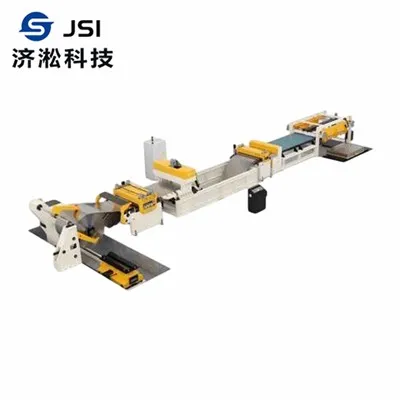
In the industrial manufacturing sector, transfer presses play a crucial role in mass - producing high - quality stamped parts. However, one of the persistent challenges associated with transfer presses is the significant amount of noise they generate. Excessive noise not only poses risks to the health of workers but can also lead to non - compliance with environmental regulations. As a transfer press supplier, we understand the importance of noise reduction and have developed several effective measures to address this issue.
Understanding the Sources of Noise in Transfer Presses
Before delving into the noise - reduction measures, it is essential to understand the primary sources of noise in transfer presses. The main noise sources include the impact between the punch and the die during the stamping process, the mechanical vibrations of the press structure, and the operation of auxiliary equipment such as motors and pumps.
The stamping process itself is a major contributor to noise. When the punch strikes the workpiece, a large amount of energy is released instantaneously, creating a shock wave that propagates through the air as noise. The mechanical components of the press, such as gears, bearings, and connecting rods, also generate noise due to friction, wear, and misalignment. Additionally, the high - speed operation of motors and pumps in the hydraulic or pneumatic systems can produce significant noise levels.
Structural Design Optimization
One of the fundamental ways to reduce noise in transfer presses is through structural design optimization. By carefully selecting materials and improving the overall structural rigidity, we can minimize the vibration and resonance that contribute to noise generation.
For instance, using high - strength and vibration - damping materials in the construction of the press frame can effectively absorb and dissipate vibration energy. These materials can reduce the amplitude of vibrations, thereby reducing the noise radiated from the press structure. Moreover, optimizing the shape and dimensions of the press components can also help to avoid resonance frequencies. By ensuring that the natural frequencies of the press structure are far from the operating frequencies, we can prevent the amplification of vibrations and subsequent noise.
Another aspect of structural design optimization is the use of modular construction. Modular transfer presses are designed in such a way that individual components can be easily assembled and disassembled. This not only simplifies maintenance but also allows for better isolation of noise sources. For example, each module can be enclosed in a separate sound - proof housing, preventing the spread of noise from one part of the press to another.
Noise - Isolating Enclosures
Noise - isolating enclosures are an effective solution for reducing the noise emitted from transfer presses. These enclosures are typically made of sound - absorbing materials such as fiberglass, foam, or acoustic panels. They are designed to surround the entire press or specific noise - generating components, creating a barrier that prevents the noise from escaping into the surrounding environment.
When designing noise - isolating enclosures, several factors need to be considered. Firstly, the enclosure should have a high sound - transmission loss (STL). This means that it can effectively block the passage of sound waves. Secondly, the enclosure should be well - sealed to prevent sound leakage. Any gaps or openings in the enclosure can significantly reduce its noise - reduction effectiveness.
In addition to the material and sealing of the enclosure, ventilation is also an important consideration. Transfer presses generate a significant amount of heat during operation, and proper ventilation is required to prevent overheating. Therefore, the noise - isolating enclosure should be designed with ventilation ducts that are equipped with sound - absorbing baffles. These baffles can reduce the noise that escapes through the ventilation system while allowing for adequate airflow.
Lubrication and Maintenance
Proper lubrication and maintenance are essential for reducing noise in transfer presses. Lubricants can reduce friction between moving parts, such as gears, bearings, and slides. By minimizing friction, we can not only improve the efficiency and lifespan of the press but also reduce the noise generated by the mechanical components.
Regular maintenance, including inspection, cleaning, and adjustment of the press components, is also crucial. Worn - out or misaligned parts can cause excessive vibration and noise. By replacing worn parts and ensuring proper alignment, we can keep the press running smoothly and quietly. For example, if the bearings are worn, they can produce a high - pitched noise. Replacing the bearings in a timely manner can eliminate this noise source.
Advanced Control Systems
Advanced control systems can also play a significant role in noise reduction. By using intelligent control algorithms, we can optimize the operation of the transfer press to reduce noise. For example, the press can be programmed to operate at a lower speed during the stamping process, reducing the impact force and thus the noise generated.
Moreover, advanced control systems can monitor the vibration and noise levels of the press in real - time. If the noise level exceeds a certain threshold, the system can automatically adjust the operating parameters or issue an alarm to alert the operator. This proactive approach can help to prevent excessive noise and ensure the safe and efficient operation of the press.
Use of Specialized Components
Using specialized components can further enhance the noise - reduction performance of transfer presses. For example, the Multi Press Transfer System is designed to improve the efficiency and smoothness of the transfer process. By reducing the impact and vibration during the transfer of workpieces, this system can effectively reduce noise.
The Independent Manipulator is another specialized component that can contribute to noise reduction. It allows for more precise and flexible handling of workpieces, reducing the chances of collisions and vibrations that generate noise.
The Independent Transfer System is also worth mentioning. This system provides independent control of the transfer motion, enabling smoother and quieter operation. By optimizing the transfer speed and acceleration, it can minimize the impact and noise associated with the transfer process.


Operator Training
Finally, operator training is an often - overlooked but important aspect of noise reduction. Well - trained operators can operate the transfer press more efficiently and safely, which can also contribute to noise reduction.
Operators should be trained to understand the importance of noise reduction and the proper operation procedures. For example, they should be taught to start and stop the press smoothly, avoiding sudden changes in speed or load that can generate excessive noise. Additionally, operators should be trained to recognize abnormal noise and vibration signals, which can indicate potential problems with the press. By reporting these issues promptly, maintenance can be carried out in a timely manner, preventing further noise and damage to the press.
Conclusion
As a transfer press supplier, we are committed to providing our customers with high - quality and low - noise transfer presses. Through a combination of structural design optimization, noise - isolating enclosures, proper lubrication and maintenance, advanced control systems, specialized components, and operator training, we can effectively reduce the noise generated by transfer presses.
If you are interested in our transfer presses and would like to discuss noise - reduction solutions for your specific application, please feel free to contact us for a detailed consultation. We look forward to working with you to meet your manufacturing needs.
References
- "Handbook of Noise and Vibration Control" by Cyril M. Harris
- "Manufacturing Engineering and Technology" by Serope Kalpakjian and Steven R. Schmid
- Industry standards and guidelines related to noise control in industrial machinery.