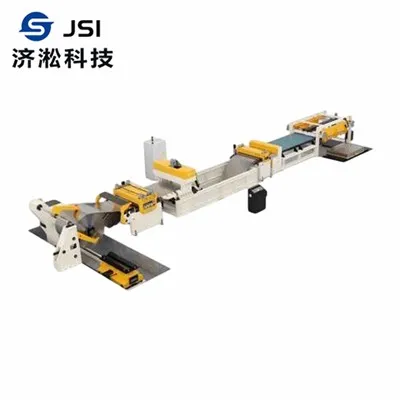
As a supplier of NC feeders, ensuring the proper functioning of our products is of utmost importance. Before using an NC feeder, a comprehensive inspection is necessary to guarantee its safety, efficiency, and longevity. In this blog, I will share the key inspection items for an NC feeder before use.
1. Visual Inspection
The first step in inspecting an NC feeder is a thorough visual examination. This helps to identify any obvious signs of damage, wear, or misalignment.
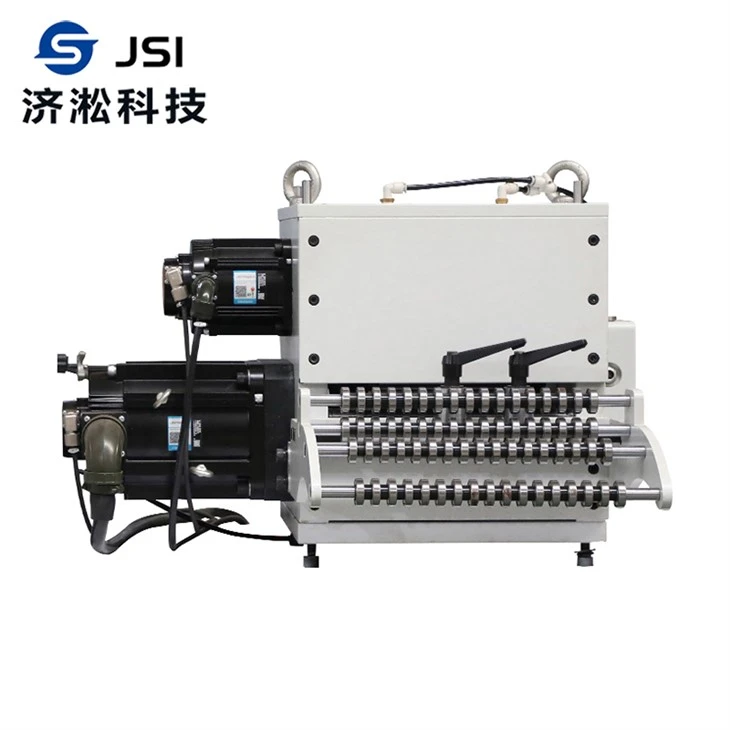

- Check the Physical Structure: Inspect the overall structure of the feeder for any cracks, dents, or deformation. Pay special attention to the frame, brackets, and mounting points. Any damage to these components can affect the stability and performance of the feeder.
- Examine the Feeding Rollers: The feeding rollers are crucial for the accurate feeding of materials. Check for any signs of wear, such as uneven surfaces or grooves. Worn rollers can cause slippage, inaccurate feeding, and damage to the materials.
- Inspect the Belt and Chain: If the feeder uses a belt or chain drive system, check for any signs of wear, tension, or damage. A loose or damaged belt/chain can lead to inconsistent feeding and reduced efficiency.
- Look for Loose Parts: Check all the bolts, nuts, and screws on the feeder to ensure they are tightened properly. Loose parts can cause vibrations, noise, and potential safety hazards.
2. Electrical System Inspection
The electrical system of an NC feeder is responsible for controlling its operation. A proper inspection of the electrical components is essential to prevent electrical failures and ensure safe operation.
- Check the Power Supply: Ensure that the power supply to the feeder is stable and within the specified voltage range. Any fluctuations or irregularities in the power supply can damage the electrical components.
- Inspect the Wiring: Examine the wiring for any signs of damage, such as frayed wires, loose connections, or exposed conductors. Damaged wiring can cause short circuits, electrical shocks, and equipment failures.
- Test the Control Panel: The control panel is the interface for operating the feeder. Check all the buttons, switches, and indicators on the control panel to ensure they are functioning properly. Test the control functions, such as start, stop, speed adjustment, and feeding length setting.
- Verify the Safety Devices: The feeder should be equipped with various safety devices, such as emergency stop buttons, overload protection, and safety interlocks. Test these safety devices to ensure they are working correctly.
3. Lubrication Inspection
Proper lubrication is essential for the smooth operation and longevity of the NC feeder. Inspect the lubrication system to ensure that all the moving parts are properly lubricated.
- Check the Lubricant Level: Most NC feeders have a lubrication system with an oil reservoir. Check the lubricant level in the reservoir and ensure it is within the recommended range. If the lubricant level is low, refill it with the appropriate lubricant.
- Inspect the Lubrication Points: Identify all the lubrication points on the feeder, such as bearings, gears, and slides. Check for any signs of dryness, lack of lubrication, or excessive lubrication. Apply lubricant to the lubrication points as recommended by the manufacturer.
- Verify the Lubrication System Function: Some NC feeders have an automatic lubrication system. Check the function of the automatic lubrication system to ensure it is supplying lubricant to the moving parts at the correct intervals.
4. Mechanical Clearance Inspection
Mechanical clearances play a crucial role in the accurate feeding of materials. Inspect the mechanical clearances between the feeding rollers, guides, and other components to ensure they are within the specified range.
- Check the Feeding Rollers Clearance: Measure the clearance between the upper and lower feeding rollers. The clearance should be adjusted according to the thickness of the materials being fed. An incorrect clearance can cause material jams, slippage, and inaccurate feeding.
- Inspect the Guide Clearance: Check the clearance between the material guides and the feeding rollers. The guides should be adjusted to ensure that the materials are fed straight and centered. A misaligned guide can cause the materials to skew or jam.
- Verify the Die Clearance: If the feeder is used in conjunction with a die, check the clearance between the die and the feeding rollers. The die clearance should be adjusted to ensure that the materials are fed smoothly through the die without any interference.
5. Function Testing
After completing the above inspections, conduct a function test to verify the overall performance of the NC feeder.
- Test the Feeding Function: Feed a sample material through the feeder and check the feeding accuracy, speed, and consistency. Measure the feeding length and compare it with the set value. Any significant deviations may indicate a problem with the feeder.
- Check the Reverse Feeding Function: If the feeder has a reverse feeding function, test it to ensure it works properly. Reverse feeding is useful for clearing material jams or adjusting the feeding position.
- Verify the Synchronization Function: If the feeder is used in conjunction with other equipment, such as a press or a stamping machine, test the synchronization function to ensure that the feeder and the other equipment are working in harmony.
6. Safety Inspection
Safety is always a top priority when using any industrial equipment. Inspect the safety features of the NC feeder to ensure they are in good working condition.
- Check the Emergency Stop Button: The emergency stop button should be easily accessible and in good working condition. Test the emergency stop button to ensure that it can immediately stop the operation of the feeder in case of an emergency.
- Inspect the Safety Guards: The feeder should be equipped with safety guards to prevent operators from coming into contact with moving parts. Check the safety guards to ensure they are properly installed and in good condition.
- Verify the Overload Protection: The feeder should have an overload protection device to prevent damage to the motor and other components in case of excessive load. Test the overload protection device to ensure it works correctly.
Conclusion
In conclusion, a comprehensive inspection of an NC feeder before use is essential to ensure its safe, efficient, and reliable operation. By following the inspection items mentioned above, you can identify and address any potential problems before they cause serious damage or downtime. As a supplier of NC feeders, we are committed to providing high-quality products and excellent after-sales service. If you are interested in our Double Servo High Speed Feeder, High Speed NC Servo Roll Feeder, or Medium Sheet NC Servo Feeder, please feel free to contact us for more information and to discuss your specific requirements. We look forward to the opportunity to work with you.
References
- Manufacturer's operation and maintenance manual for NC feeders.
- Industry standards and best practices for industrial equipment inspection.