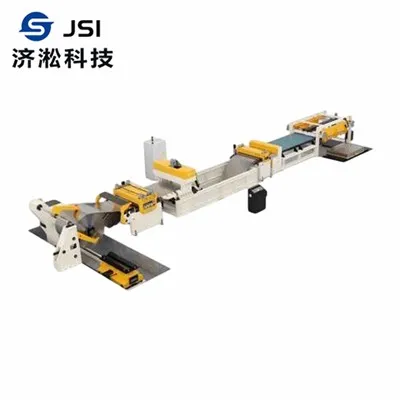
Hey there! As a supplier of precision levelers, I've dealt with all sorts of issues related to leveling errors over the years. In this blog, I'm gonna share some of the common causes of leveling errors in a precision leveler.
1. Improper Machine Setup
One of the most frequent culprits of leveling errors is improper machine setup. When you're setting up a precision leveler, every little detail matters. If the leveler isn't properly aligned with the incoming material, it can lead to uneven leveling. For example, if the coil or sheet material isn't fed into the leveler at the correct angle, the leveling rollers won't be able to apply the right amount of pressure evenly across the material.
Another aspect of setup is the initial calibration of the leveler. If the rollers aren't adjusted to the correct height or pressure settings, it can result in over - or under - leveling. For instance, if the pressure is too high, it can cause the material to be over - flattened, leading to waviness or even cracking in some cases. On the other hand, if the pressure is too low, the material won't be properly leveled, and you'll end up with residual curvature.
To avoid these issues, it's crucial to follow the manufacturer's setup guidelines carefully. Make sure to use the right measuring tools to ensure accurate alignment and calibration. And if you're not sure about something, don't hesitate to reach out to the supplier for support. We at [your company's position as a supplier] are always here to help you get the most out of your precision leveler.
2. Wear and Tear of Components
Over time, the components of a precision leveler can wear out. The leveling rollers, which are the heart of the machine, are particularly susceptible to wear. As they come into contact with the material during the leveling process, they experience friction and abrasion. This can cause the surface of the rollers to become rough or uneven, which in turn affects the quality of the leveling.


The bearings that support the rollers can also wear out. If the bearings are worn, they won't be able to provide smooth rotation of the rollers, leading to inconsistent pressure application on the material. This can result in leveling errors such as ripples or uneven flatness.
Regular maintenance is the key to preventing issues related to wear and tear. Inspect the rollers and bearings regularly for signs of wear. Replace any worn - out components promptly to ensure the continued performance of your precision leveler. You can check out our Coil Material Precision Leveling Machine and Sheet Material Precision Leveling Machine for high - quality components that are designed to last.
3. Material Variations
The material being leveled can also be a source of leveling errors. Different materials have different properties, such as hardness, thickness, and elasticity. If the leveler isn't adjusted properly for the specific material, it can lead to problems.
For example, if you're trying to level a very hard material with the same settings as a softer material, the leveler may not be able to apply enough pressure to flatten the hard material effectively. On the other hand, if you use the same settings for a thin sheet as you would for a thick one, the thin sheet may be over - flattened.
It's important to understand the properties of the material you're working with and adjust the leveler settings accordingly. This may involve changing the roller pressure, speed, or the number of passes through the leveler. Our High Precision Roller Leveler is designed to handle a wide range of materials, but proper adjustment is still necessary for optimal results.
4. Operator Error
Let's face it, sometimes the cause of leveling errors can be as simple as operator error. An inexperienced or careless operator may not follow the correct procedures when using the precision leveler. For example, they may not load the material correctly, or they may make mistakes when adjusting the settings.
Training is essential to minimize operator error. Make sure that all operators are properly trained on how to use the precision leveler safely and effectively. Provide them with clear instructions and guidelines on machine operation, setup, and maintenance. And encourage them to ask questions if they're unsure about anything.
5. Environmental Factors
The environment in which the precision leveler is operating can also have an impact on leveling accuracy. Temperature and humidity can affect the material and the machine components. For example, in a hot and humid environment, the material may expand, which can change its properties and make it more difficult to level.
Vibrations in the surrounding area can also cause problems. If the leveler is located near heavy machinery or in an area with a lot of foot traffic, the vibrations can be transmitted to the machine, affecting the stability of the leveling process.
To mitigate the effects of environmental factors, try to control the temperature and humidity in the working area as much as possible. Isolate the leveler from sources of vibration, or use anti - vibration pads to reduce the impact.
Conclusion
Leveling errors in a precision leveler can be caused by a variety of factors, including improper machine setup, wear and tear of components, material variations, operator error, and environmental factors. By being aware of these common causes and taking appropriate preventive measures, you can improve the accuracy and efficiency of your leveling process.
If you're in the market for a precision leveler or need help with your existing one, don't hesitate to get in touch with us. We're a leading supplier of precision levelers, and we have the expertise and products to meet your needs. Whether you're looking for a Coil Material Precision Leveling Machine, a Sheet Material Precision Leveling Machine, or a High Precision Roller Leveler, we've got you covered. Let's work together to ensure your leveling operations run smoothly and efficiently.
References
- "Precision Metal Forming Handbook"
- Industry reports on precision leveling technology