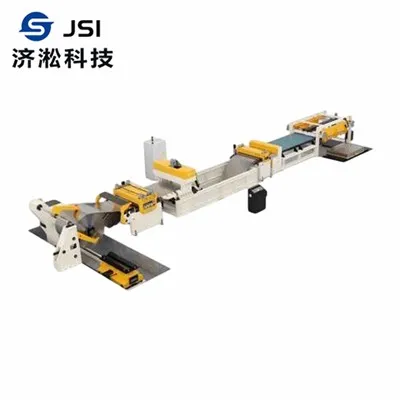
Selecting the appropriate NC feeder for a specific stamping process is a critical decision that can significantly impact the efficiency, quality, and cost-effectiveness of your manufacturing operations. As an NC feeder supplier, I understand the complexities involved in this selection process and am here to guide you through the key considerations.
Understanding the Basics of NC Feeders
NC (Numerical Control) feeders are essential components in stamping processes, responsible for precisely feeding metal strips or coils into stamping presses. They offer several advantages over traditional mechanical feeders, including higher accuracy, better repeatability, and the ability to easily adjust feeding parameters. There are different types of NC feeders available in the market, each designed to meet specific stamping requirements.


Types of NC Feeders
- Thick Sheet NC Servo Feeder: This type of feeder is specifically designed for handling thick metal sheets. It provides high torque and precision feeding, making it suitable for heavy-duty stamping applications. You can learn more about our Thick Sheet NC Servo Feeder.
- Double Servo High Speed Feeder: Ideal for high-speed stamping processes, the double servo high-speed feeder offers excellent feeding accuracy and speed. It uses two servo motors to drive the feeding rollers, ensuring smooth and efficient operation. Check out our Double Servo High Speed Feeder.
- NC Servo Roll Feeder: The NC servo roll feeder is a versatile option that can handle a wide range of strip widths and thicknesses. It is commonly used in various stamping applications, from small parts production to large-scale manufacturing. Explore our NC Servo Roll Feeder.
Key Factors to Consider When Selecting an NC Feeder
Material Characteristics
The first step in selecting the appropriate NC feeder is to understand the characteristics of the material you will be stamping. This includes the material type (such as steel, aluminum, or copper), thickness, width, and surface finish. Different materials have different properties, such as hardness, ductility, and friction coefficient, which can affect the feeding performance of the feeder. For example, thick and hard materials may require a feeder with higher torque and stronger gripping force, while thin and soft materials may need a more delicate feeding mechanism to prevent damage.
Stamping Press Specifications
The specifications of your stamping press also play a crucial role in feeder selection. You need to consider the press speed, stroke length, and die height. The feeder must be able to synchronize with the press's operation to ensure accurate feeding. For high-speed stamping presses, a high-speed feeder with fast response times is required. Additionally, the feeder's feeding length and pitch must match the requirements of the stamping die.
Feeding Accuracy Requirements
The level of feeding accuracy required for your stamping process is another important factor. Some applications, such as precision electronics manufacturing, demand extremely high feeding accuracy, while others may tolerate a slightly lower level of precision. The feeder's accuracy is typically measured in terms of feeding length tolerance and repeatability. Look for a feeder that can meet your specific accuracy requirements.
Production Volume and Throughput
The production volume and throughput of your stamping operation will determine the feeder's capacity and speed requirements. If you have high-volume production, you need a feeder that can handle continuous and high-speed feeding. On the other hand, for low-volume or prototype production, a more flexible and adjustable feeder may be more suitable.
Automation and Integration
In today's manufacturing environment, automation and integration are becoming increasingly important. Consider whether you need the feeder to be integrated with other equipment in your production line, such as coil handling systems, decoilers, and straighteners. An automated feeding system can improve productivity, reduce labor costs, and enhance overall process efficiency.
Evaluating Feeder Performance and Quality
Once you have considered the above factors, it is essential to evaluate the performance and quality of the NC feeders you are considering. Here are some key aspects to look for:
- Build Quality: A high-quality feeder is built with durable materials and precision engineering. Check the construction of the feeder, including the frame, rollers, and drive system. Look for features such as heat-treated components, high-quality bearings, and robust electrical and control systems.
- Control System: The feeder's control system is responsible for regulating the feeding parameters and ensuring accurate operation. A user-friendly control interface with advanced features, such as programmable feeding lengths, speeds, and pitches, can make it easier to set up and operate the feeder. Additionally, the control system should have reliable safety features to prevent accidents and protect the equipment.
- Maintenance and Serviceability: Regular maintenance is essential to keep the feeder in optimal condition. Look for a feeder that is easy to maintain, with accessible components and clear maintenance instructions. Consider the availability of spare parts and the supplier's after-sales service and support.
Case Studies
To illustrate the importance of proper feeder selection, let's look at a few case studies:
- Case Study 1: Automotive Parts Manufacturing
A manufacturer of automotive parts was experiencing issues with feeding accuracy and productivity in their stamping process. They were using a traditional mechanical feeder that was unable to keep up with the high-speed production requirements. After consulting with us, we recommended a Double Servo High Speed Feeder. The new feeder provided excellent feeding accuracy and speed, resulting in a significant improvement in production efficiency and part quality. - Case Study 2: Electronics Manufacturing
An electronics manufacturer needed a feeder for a precision stamping process that required extremely high feeding accuracy. They were using an older feeder that was not able to meet the required accuracy standards. We suggested our NC Servo Roll Feeder, which offered precise feeding control and high repeatability. The new feeder solved the accuracy problem and helped the manufacturer improve their product quality and reduce waste.
Conclusion
Selecting the appropriate NC feeder for your stamping process is a complex but crucial decision. By considering the material characteristics, stamping press specifications, feeding accuracy requirements, production volume, and automation needs, you can choose a feeder that will optimize your stamping operation. As an NC feeder supplier, we are committed to providing high-quality feeders and excellent customer service. If you have any questions or need assistance in selecting the right feeder for your application, please feel free to contact us for a detailed consultation and procurement discussion.
References
- "Stamping Handbook" by the Society of Manufacturing Engineers.
- "Automotive Stamping Technology" by various industry experts.