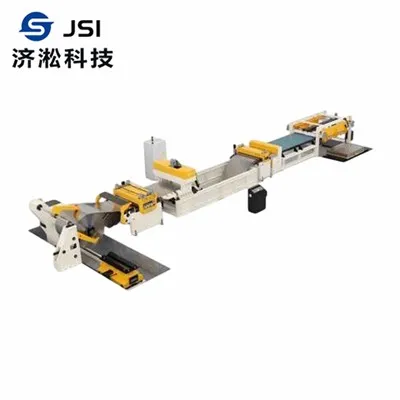
In the dynamic landscape of manufacturing, the efficient operation of a Laser Blanking Line is crucial for businesses aiming to optimize productivity and profitability. As a seasoned supplier of Laser Blanking Line, I've witnessed firsthand the challenges that manufacturers face in managing operating costs. In this blog post, I'll share some practical strategies to help you reduce the operating cost of your Laser Blanking Line without compromising on quality or performance.
1. Energy Efficiency
One of the most significant contributors to the operating cost of a Laser Blanking Line is energy consumption. Lasers, in particular, are energy-intensive components that require a substantial amount of power to operate. To reduce energy costs, consider implementing the following measures:
- Upgrade to Energy-Efficient Lasers: Newer laser technologies are designed to be more energy-efficient than their predecessors. By upgrading your lasers, you can significantly reduce energy consumption without sacrificing cutting performance.
- Optimize Laser Settings: Fine-tuning your laser settings can also help reduce energy consumption. Work with your equipment supplier to determine the optimal settings for your specific application, taking into account factors such as material type, thickness, and cutting speed.
- Implement Energy Management Systems: Energy management systems can help you monitor and control energy consumption in real-time. These systems can automatically adjust laser power, cooling systems, and other components based on production demand, ensuring that you're using only the energy you need.
2. Maintenance and Repairs
Regular maintenance and timely repairs are essential for keeping your Laser Blanking Line running smoothly and minimizing downtime. However, maintenance and repair costs can quickly add up if not managed effectively. To reduce these costs, consider the following strategies:

- Develop a Preventive Maintenance Plan: A preventive maintenance plan outlines the regular maintenance tasks that need to be performed on your Laser Blanking Line, such as cleaning, lubrication, and calibration. By following a preventive maintenance plan, you can identify and address potential issues before they become major problems, reducing the need for costly repairs.
- Train Your Staff: Proper training is crucial for ensuring that your staff can operate and maintain your Laser Blanking Line correctly. Provide your staff with comprehensive training on equipment operation, maintenance procedures, and safety protocols. This will not only help reduce the risk of accidents but also minimize the need for external maintenance and repair services.
- Partner with a Reliable Equipment Supplier: Working with a reliable equipment supplier can provide you with access to expert technical support, spare parts, and maintenance services. Choose a supplier that has a proven track record of providing high-quality equipment and excellent customer service. They can help you develop a customized maintenance plan and provide you with timely support when you need it.
3. Material Optimization
Material costs are another significant factor in the operating cost of a Laser Blanking Line. By optimizing material usage, you can reduce waste and lower your overall production costs. Here are some strategies to help you optimize material usage:
- Use Nesting Software: Nesting software is a powerful tool that can help you maximize material utilization by arranging parts on a sheet of material in the most efficient way possible. By using nesting software, you can reduce scrap and increase the number of parts that can be cut from a single sheet of material.
- Implement Just-in-Time (JIT) Inventory Management: JIT inventory management is a strategy that involves ordering and receiving materials just in time for production. By implementing JIT inventory management, you can reduce inventory holding costs and minimize the risk of overstocking or understocking materials.
- Recycle Scrap Material: Recycling scrap material is an effective way to reduce waste and lower your material costs. Many Laser Blanking Lines are equipped with scrap handling systems that can collect and separate scrap material for recycling. By recycling scrap material, you can not only save money but also contribute to a more sustainable manufacturing process.
4. Process Optimization
Optimizing your Laser Blanking Line process can help you improve productivity, reduce cycle times, and lower your operating costs. Here are some strategies to help you optimize your process:
- Streamline Workflow: Review your production workflow and identify any bottlenecks or inefficiencies. Look for ways to streamline your workflow by eliminating unnecessary steps, reducing setup times, and improving communication between different departments.
- Automate Processes: Automation can help you improve productivity, reduce labor costs, and minimize the risk of human error. Consider automating repetitive tasks such as material handling, part loading, and unloading. This can free up your staff to focus on more value-added activities.
- Implement Lean Manufacturing Principles: Lean manufacturing is a philosophy that focuses on eliminating waste and maximizing value. By implementing lean manufacturing principles, you can identify and eliminate non-value-added activities, reduce inventory levels, and improve overall process efficiency.
5. Equipment Selection
Choosing the right Laser Blanking Line for your specific application is crucial for reducing operating costs. When selecting a Laser Blanking Line, consider the following factors:
- Production Requirements: Determine your production requirements, including the type of materials you'll be cutting, the thickness of the materials, the production volume, and the required cutting speed. Choose a Laser Blanking Line that can meet your production requirements while also providing the flexibility to adapt to changing market demands.
- Equipment Features and Capabilities: Look for a Laser Blanking Line that offers the features and capabilities you need to optimize your production process. This may include features such as high-speed cutting, automatic nesting, and real-time monitoring and control.
- Total Cost of Ownership: Consider the total cost of ownership of the Laser Blanking Line, including the purchase price, installation costs, operating costs, maintenance costs, and resale value. Choose a Laser Blanking Line that offers the best value for your money over the long term.
In addition to the Laser Blanking Line, we also offer other types of blanking lines, such as the Zigzag Blanking Line and the Multi Cut Precison Blanking Line. These blanking lines are designed to meet the specific needs of different industries and applications, providing you with a wide range of options to choose from.
If you're interested in learning more about how to reduce the operating cost of your Laser Blanking Line or if you're considering purchasing a new blanking line, I encourage you to contact us. Our team of experts can provide you with personalized advice and solutions based on your specific needs and requirements. We look forward to working with you to help you achieve your manufacturing goals.