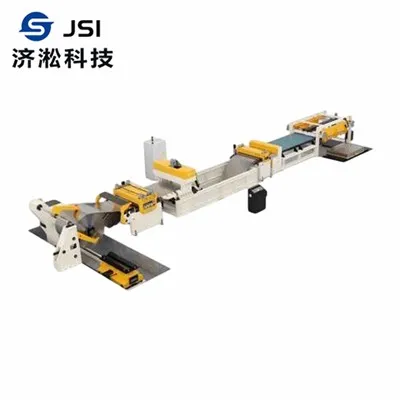
Optimizing the production process of a High Speed Slitting Line is crucial for manufacturers aiming to enhance efficiency, reduce costs, and improve product quality. As a supplier of High Speed Slitting Lines, I have witnessed firsthand the impact of process optimization on the overall performance of these machines. In this blog post, I will share some key strategies and best practices that can help you optimize the production process of your High Speed Slitting Line.
Understanding the High Speed Slitting Line
Before delving into optimization strategies, it's essential to have a clear understanding of what a High Speed Slitting Line is and how it works. A High Speed Slitting Line is a specialized piece of equipment used to cut large coils of metal or other materials into narrower strips. These strips are then used in various industries, such as automotive, construction, and electronics.
The basic components of a High Speed Slitting Line include an uncoiler, a slitting section, a recoiler, and a control system. The uncoiler holds the large coil and feeds it into the slitting section, where the material is cut into strips of the desired width. The recoiler then winds the strips onto smaller coils for further processing or storage. The control system monitors and regulates the operation of the entire line, ensuring precise cutting and efficient production.
Key Strategies for Process Optimization
1. Equipment Selection and Maintenance
- Choose the Right Equipment: Selecting a High Speed Slitting Line that is suitable for your specific production requirements is the first step in optimization. Consider factors such as the material type, thickness, width, and production volume when choosing a machine. High Speed Slitting Line offers a range of models with different capabilities to meet diverse needs.
- Regular Maintenance: Proper maintenance is essential to keep your High Speed Slitting Line running smoothly and efficiently. Follow the manufacturer's recommended maintenance schedule, which may include tasks such as lubrication, cleaning, and inspection of components. Regular maintenance can help prevent breakdowns, reduce downtime, and extend the lifespan of your equipment.
2. Material Handling and Preparation
- Proper Coil Loading: Ensure that the coils are loaded onto the uncoiler correctly to prevent misalignment and damage during the slitting process. Use appropriate lifting equipment and follow safety procedures when handling coils.
- Material Inspection: Inspect the incoming material for defects, such as scratches, dents, or uneven thickness. Defective material can cause problems during slitting and affect the quality of the finished product. Remove any damaged or substandard material before processing.
- Edge Preparation: Some materials may require edge preparation before slitting to ensure clean and precise cuts. This can involve deburring, trimming, or chamfering the edges of the coil. Edge preparation can help reduce wear on the slitting blades and improve the overall quality of the strips.
3. Slitting Blade Selection and Setup
- Choose the Right Blades: The choice of slitting blades depends on the material being cut, the desired cut quality, and the production volume. Different blade materials, geometries, and coatings are available to suit various applications. Consult with your equipment supplier or a blade manufacturer to select the most appropriate blades for your specific needs.
- Proper Blade Setup: Correct blade setup is crucial for achieving accurate and consistent cuts. Ensure that the blades are properly aligned, sharpened, and adjusted to the correct cutting clearance. Incorrect blade setup can result in poor cut quality, increased blade wear, and reduced production efficiency.
4. Process Automation and Control
- Automated Systems: Implementing automated systems can significantly improve the efficiency and accuracy of your High Speed Slitting Line. Automated features such as coil feeding, blade positioning, and strip tension control can reduce manual labor, minimize human error, and increase production speed.
- Process Monitoring and Feedback: Use sensors and monitoring devices to collect data on various process parameters, such as speed, tension, and blade wear. Analyze this data to identify trends, detect potential problems, and make adjustments to the process as needed. Real-time feedback can help optimize the production process and ensure consistent product quality.
5. Quality Control and Inspection
- In-Process Inspection: Incorporate in-process inspection stations along the High Speed Slitting Line to monitor the quality of the strips as they are being produced. This can involve visual inspection, dimensional measurement, and surface quality analysis. Detecting and correcting quality issues early in the process can prevent the production of defective products and reduce waste.
- Final Inspection: Conduct a final inspection of the finished strips to ensure that they meet the required specifications. This can include checking for width, thickness, straightness, and surface finish. Only release products that pass the final inspection for further processing or shipment.
Case Studies: Real-World Examples of Process Optimization
To illustrate the effectiveness of these optimization strategies, let's look at a few real-world case studies.
Case Study 1: Automotive Manufacturer
An automotive manufacturer was experiencing problems with the quality of the steel strips produced by their High Speed Slitting Line. The strips had inconsistent widths and surface defects, which were causing issues during the assembly process. By implementing the following optimization measures, the manufacturer was able to improve the quality of the strips and increase production efficiency:
- Upgraded the Slitting Blades: The manufacturer switched to high-quality slitting blades specifically designed for cutting automotive-grade steel. The new blades provided cleaner cuts and reduced blade wear, resulting in more consistent strip widths and improved surface quality.
- Implemented Automated Process Control: An automated control system was installed to monitor and regulate the speed, tension, and blade positioning of the slitting line. This system ensured precise cutting and reduced the need for manual adjustments, resulting in increased production speed and reduced scrap rates.
- Improved Quality Control: In-process inspection stations were added to the slitting line to detect and correct quality issues in real-time. This allowed the manufacturer to identify and address problems early in the process, preventing the production of defective strips and reducing waste.
As a result of these optimization measures, the automotive manufacturer was able to achieve a significant improvement in the quality of the steel strips, reduce production costs, and increase customer satisfaction.
Case Study 2: Electronics Manufacturer
An electronics manufacturer was using a High Speed Slitting Line to cut thin copper foils for use in printed circuit boards. The manufacturer was facing challenges with the accuracy of the cuts and the surface quality of the foils. By implementing the following optimization strategies, the manufacturer was able to overcome these challenges and improve the performance of their slitting line:
- Optimized the Material Handling Process: The manufacturer improved the coil loading and feeding system to ensure that the copper foils were fed into the slitting line smoothly and without damage. This reduced the occurrence of misalignment and wrinkles, resulting in more accurate cuts and improved surface quality.
- Upgraded the Control System: The existing control system was replaced with a more advanced system that provided greater precision and flexibility. The new system allowed the manufacturer to adjust the cutting parameters in real-time, based on the specific requirements of each job. This resulted in improved cut accuracy and reduced scrap rates.
- Enhanced Quality Control Measures: A comprehensive quality control program was implemented, including in-process inspection and final inspection. The manufacturer used advanced inspection equipment to detect and measure any defects in the copper foils, ensuring that only high-quality products were released for further processing.
As a result of these optimization measures, the electronics manufacturer was able to improve the accuracy of the cuts, enhance the surface quality of the copper foils, and increase production efficiency.


Conclusion
Optimizing the production process of a High Speed Slitting Line is a continuous process that requires careful planning, implementation, and monitoring. By following the key strategies and best practices outlined in this blog post, you can enhance the efficiency, reduce costs, and improve the quality of your slitting operations. Whether you are a small-scale manufacturer or a large industrial enterprise, these optimization measures can help you stay competitive in today's market.
If you are interested in learning more about how to optimize the production process of your High Speed Slitting Line or if you are considering purchasing a new slitting line, please contact us. Our team of experts is available to provide you with personalized advice and support to help you achieve your production goals.
References
- Smith, J. (2020). "Advanced Techniques for High Speed Slitting Line Optimization." Journal of Manufacturing Technology, Vol. 15, No. 2, pp. 45-52.
- Johnson, R. (2019). "The Impact of Process Automation on High Speed Slitting Line Performance." Proceedings of the International Conference on Manufacturing Engineering, pp. 123-130.
- Brown, A. (2018). "Quality Control Strategies for High Speed Slitting Lines." Quality Management Journal, Vol. 22, No. 3, pp. 67-74.