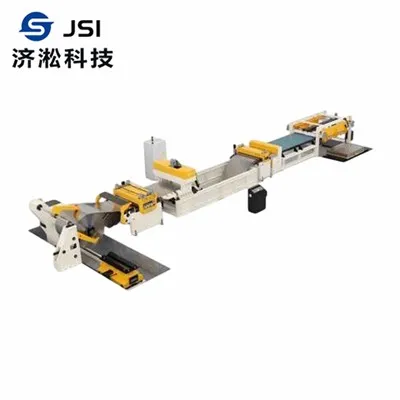
As a supplier of Zigzag Blanking Lines, I've witnessed firsthand the pivotal role these machines play in modern manufacturing. A zigzag blanking line is a specialized piece of equipment designed to cut metal sheets into various shapes and sizes, following a zigzag pattern. This process is highly efficient and can significantly reduce material waste, making it a popular choice in industries such as automotive, appliance manufacturing, and metal fabrication. In this blog, I'll share some key strategies on how to optimize the operation of a zigzag blanking line.
1. Regular Maintenance and Inspection
One of the fundamental steps in optimizing the operation of a zigzag blanking line is to ensure regular maintenance and inspection. Just like any other complex machinery, a zigzag blanking line requires routine care to perform at its best.
- Cleaning: Regularly clean the cutting tools, conveyor belts, and other components of the blanking line. Metal shavings, dust, and debris can accumulate over time, which may affect the accuracy of the cutting and the overall performance of the machine. Use appropriate cleaning agents and tools to remove these contaminants.
- Lubrication: Proper lubrication is crucial for the smooth operation of moving parts. Follow the manufacturer's recommendations to lubricate the bearings, gears, and other friction points at regular intervals. This helps reduce wear and tear, extends the lifespan of the components, and prevents breakdowns.
- Inspection: Conduct thorough inspections of the entire blanking line on a regular basis. Check for any signs of wear, damage, or misalignment in the cutting tools, guides, and drive systems. Replace any worn-out parts promptly to avoid further damage and ensure consistent cutting quality.
2. Optimize Cutting Parameters
The cutting parameters of a zigzag blanking line have a direct impact on the efficiency and quality of the cutting process. By optimizing these parameters, you can achieve better results in terms of productivity, material utilization, and part quality.


- Cutting Speed: Adjust the cutting speed based on the type and thickness of the metal sheet being cut. A higher cutting speed can increase productivity, but it may also lead to poor cut quality if the speed is too high. On the other hand, a very low cutting speed can result in longer cycle times and increased energy consumption. Experiment with different cutting speeds to find the optimal balance for your specific application.
- Cutting Force: The cutting force should be set to an appropriate level to ensure clean and accurate cuts. If the cutting force is too low, the sheet may not be fully cut, resulting in incomplete parts. Conversely, excessive cutting force can cause the sheet to deform or damage the cutting tools. Refer to the machine's manual or consult with the manufacturer to determine the recommended cutting force for different materials and thicknesses.
- Tool Clearance: Proper tool clearance is essential for preventing tool wear and ensuring good cut quality. The clearance between the cutting tool and the die should be adjusted according to the thickness of the sheet. A larger clearance is required for thicker sheets, while a smaller clearance is suitable for thinner sheets. Incorrect tool clearance can lead to burrs, rough edges, and premature tool failure.
3. Material Handling and Feeding
Efficient material handling and feeding are critical for the smooth operation of a zigzag blanking line. Proper handling of the metal sheets can reduce the risk of damage, improve productivity, and ensure accurate cutting.
- Sheet Loading: When loading the metal sheets onto the blanking line, make sure they are properly aligned and centered. Use appropriate lifting equipment and fixtures to prevent scratches, dents, or other damage to the sheets. Ensure that the sheets are fed into the machine at a consistent speed and without any slack to maintain accurate cutting.
- Feeding System: The feeding system of the blanking line should be properly adjusted to ensure smooth and accurate feeding of the sheets. Check the tension of the conveyor belts, the alignment of the feed rollers, and the operation of the sensors. Any issues with the feeding system can lead to misaligned cuts, jams, or other production problems.
- Material Storage: Proper storage of the metal sheets is also important to maintain their quality. Store the sheets in a dry, clean environment to prevent rust and corrosion. Use racks or pallets to stack the sheets neatly and avoid overloading, which can cause deformation.
4. Operator Training and Skill Development
The skills and knowledge of the operators play a crucial role in the efficient operation of a zigzag blanking line. Providing comprehensive training to the operators can help them understand the machine's capabilities, operate it safely and effectively, and troubleshoot common problems.
- Initial Training: New operators should receive thorough training on the operation, maintenance, and safety procedures of the zigzag blanking line. The training should cover topics such as machine setup, cutting parameter adjustment, material handling, and emergency shutdown. Hands-on training with the actual machine is highly recommended to ensure that the operators gain practical experience.
- Ongoing Training: Even experienced operators can benefit from ongoing training to keep up with the latest technological advancements and best practices in the industry. Provide regular training sessions on new features, software updates, and improved operating techniques. Encourage the operators to share their experiences and learn from each other.
- Skill Development: In addition to technical training, it's also important to develop the operators' problem-solving and decision-making skills. Train them to identify and diagnose common problems, such as tool wear, misaligned cuts, or machine malfunctions, and take appropriate actions to resolve them. This can help minimize downtime and improve overall productivity.
5. Implement Quality Control Measures
Implementing quality control measures is essential to ensure that the parts produced by the zigzag blanking line meet the required specifications. Quality control helps identify and correct any issues early in the production process, reducing waste and improving customer satisfaction.
- In-Process Inspection: Conduct in-process inspections at regular intervals during the cutting process to check the quality of the parts. Use measuring tools, such as calipers, micrometers, and gauges, to verify the dimensions, tolerances, and surface finish of the parts. Any non-conforming parts should be immediately removed from the production line and analyzed to determine the root cause of the problem.
- Final Inspection: Perform a final inspection of all the finished parts before they are shipped to the customer. This includes a visual inspection for any visible defects, as well as a more detailed inspection using appropriate testing equipment. Ensure that the parts meet all the specified requirements and are free from any damage or defects.
- Quality Management System: Establish a comprehensive quality management system to document and track the quality control processes. This includes maintaining records of inspections, test results, and corrective actions taken. Regularly review and improve the quality management system to ensure continuous improvement in the quality of the products.
6. Integration with Other Systems
Integrating the zigzag blanking line with other systems in the manufacturing process can further optimize its operation and improve overall productivity.
- Automation: Consider automating the material handling, feeding, and sorting processes to reduce manual labor and increase efficiency. Automated systems can be programmed to perform repetitive tasks with high precision and consistency, resulting in faster cycle times and fewer errors.
- MES Integration: Integrate the blanking line with a Manufacturing Execution System (MES) to enable real-time monitoring and control of the production process. The MES can provide valuable information such as production status, machine performance, and quality data, which can be used to make informed decisions and optimize the production schedule.
- CAD/CAM Integration: Integrate the blanking line with CAD/CAM software to enable seamless transfer of design data and cutting programs. This eliminates the need for manual programming, reduces errors, and allows for quick and easy modification of the cutting patterns.
In conclusion, optimizing the operation of a zigzag blanking line requires a comprehensive approach that includes regular maintenance, optimization of cutting parameters, efficient material handling, operator training, quality control, and system integration. By implementing these strategies, you can improve the productivity, quality, and reliability of your zigzag blanking line, and ultimately gain a competitive edge in the market.
If you're interested in learning more about our Zigzag Blanking Line or other products such as Laser Blanking Line and Multi Cut Precison Blanking Line, please feel free to contact us for a detailed discussion. We're committed to providing you with the best solutions to meet your specific manufacturing needs.
References
- Manufacturer's manuals and technical documentation for zigzag blanking lines.
- Industry standards and best practices for metal cutting and manufacturing.
- Relevant research papers and articles on optimization of manufacturing processes.