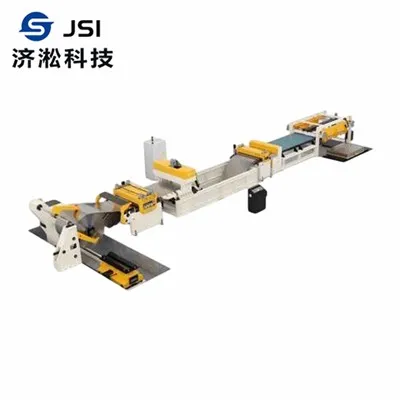
As a supplier of Laser Blanking Lines, I understand the pivotal role that an optimized layout plays in the overall efficiency and productivity of a workshop. A well - designed layout can significantly reduce material handling time, enhance worker safety, and improve the quality of the final products. In this blog, I will share some key strategies on how to optimize the layout of a Laser Blanking Line in the workshop.
Understanding the Laser Blanking Line Process
Before diving into the layout optimization, it's essential to have a clear understanding of the Laser Blanking Line process. A Laser Blanking Line is a highly automated system used to cut sheet metal into precise shapes using a laser. The process typically involves unwinding the coil, leveling the sheet, feeding it into the laser cutting area, and then stacking the cut parts.
The Laser Blanking Line consists of several key components, including the coil car, uncoiler, leveler, feeder, laser cutting machine, and stacker. Each component has a specific function and requires a certain amount of space and proper positioning to operate efficiently.
Analyzing the Workshop Space
The first step in optimizing the layout is to conduct a thorough analysis of the workshop space. Measure the length, width, and height of the available area, and identify any existing obstacles such as columns, doors, or windows. Consider the flow of materials and personnel in the workshop. You want to ensure that there is a smooth and efficient movement of materials from the coil storage area to the cutting area and then to the finished part storage.
It's also important to take into account the future expansion plans of the workshop. If there is a possibility of adding more equipment or increasing production capacity in the future, the layout should be flexible enough to accommodate these changes.
Positioning the Key Components
Coil Storage and Uncoiling Area
The coil storage area should be located close to the uncoiler to minimize the distance for coil transfer. The coils should be stored in an organized manner, with easy access for the coil car. The uncoiler should be positioned in a way that allows for smooth unwinding of the coil and feeding it into the leveler.
Leveling and Feeding Area
The leveler is used to flatten the sheet metal before it enters the laser cutting area. It should be placed adjacent to the uncoiler to ensure a continuous flow of material. The feeder, which is responsible for precisely moving the sheet into the laser cutting machine, should be integrated with the leveler and the cutting machine. This area requires a stable and flat surface to ensure accurate feeding.
Laser Cutting Area
The laser cutting machine is the heart of the Laser Blanking Line. It should be placed in a well - ventilated area to remove the fumes generated during the cutting process. The cutting area should have enough space around it for maintenance and operator access. Consider the size of the laser cutting table and the maximum size of the sheet that can be processed. The layout should allow for easy loading and unloading of the sheets.
Stacking and Finished Part Storage Area
After the sheets are cut, the finished parts need to be stacked and stored. The stacker should be located near the laser cutting machine to minimize the distance for part transfer. The finished part storage area should be organized based on the type and size of the parts. This will make it easier for inventory management and order fulfillment.
Considering Material Flow
A well - optimized layout should ensure a smooth and efficient material flow. One way to achieve this is by implementing a one - way material flow system. This means that the materials move in a single direction from the coil storage to the finished part storage, reducing the chances of congestion and collisions.
Use conveyors or automated guided vehicles (AGVs) to transport the materials between different components of the Laser Blanking Line. This can significantly reduce the manual handling of materials, improve efficiency, and enhance worker safety.
Safety Considerations
Safety is of utmost importance in any workshop. When optimizing the layout of the Laser Blanking Line, make sure to provide adequate safety guards around the moving parts of the equipment. Install emergency stop buttons at easily accessible locations throughout the workshop.
Create clear walkways for personnel to ensure that they can move safely around the equipment. Mark the hazardous areas with appropriate warning signs. Additionally, provide proper ventilation and lighting in the workshop to create a safe and comfortable working environment.
Integration with Other Equipment
In many workshops, the Laser Blanking Line may need to be integrated with other equipment such as presses or welding machines. When designing the layout, consider the compatibility and interaction between the Laser Blanking Line and other equipment. Ensure that there is enough space for the transfer of parts between different machines and that the overall workflow is seamless.
Utilizing Technology for Layout Optimization
There are several software tools available that can help in optimizing the layout of the Laser Blanking Line. These tools use advanced algorithms to simulate different layout scenarios and analyze the efficiency of each scenario. They can take into account factors such as material flow, equipment dimensions, and safety requirements.
By using these software tools, you can visualize the proposed layout before implementing it in the workshop. This can save time and resources by identifying and correcting any potential issues in advance.
Comparing with Other Blanking Lines
It's also beneficial to compare the Laser Blanking Line with other types of blanking lines, such as the High Speed Blanking Line and the Multi Cut Precison Blanking Line. Each type of blanking line has its own advantages and disadvantages, and understanding these differences can help in making informed decisions about the layout.
For example, a High Speed Blanking Line is designed for high - volume production, while a Laser Blanking Line offers more flexibility in terms of cutting complex shapes. The layout requirements for these two types of lines may vary, and by comparing them, you can determine the most suitable layout for your specific production needs.


Conclusion
Optimizing the layout of a Laser Blanking Line in the workshop is a complex but rewarding process. By carefully analyzing the workshop space, positioning the key components, considering material flow and safety, integrating with other equipment, and utilizing technology, you can create a layout that maximizes efficiency, productivity, and safety.
If you are interested in learning more about our Laser Blanking Lines or need assistance in optimizing the layout of your workshop, we encourage you to contact us for a detailed discussion. Our team of experts is ready to provide you with customized solutions based on your specific requirements.
References
- [Book Title 1], Author 1, Publisher 1, Year 1
- [Book Title 2], Author 2, Publisher 2, Year 2
- [Research Paper Title], Author 3, Journal Name, Volume, Issue, Year 3