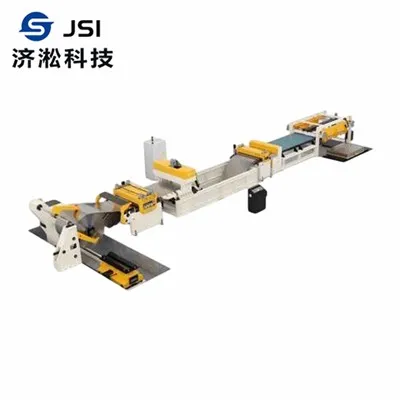
Hey there! As a decoiler supplier, I've seen firsthand how crucial the stability of a decoiler is in various industrial processes. A stable decoiler ensures smooth operation, reduces downtime, and ultimately saves you money. In this blog, I'm gonna share some tips on how to improve the stability of a decoiler.
1. Proper Installation
The first step in ensuring the stability of a decoiler is proper installation. Make sure the decoiler is installed on a flat, solid surface. Any unevenness in the surface can cause the decoiler to wobble during operation, leading to instability. You might need to use shims or levelers to adjust the decoiler's position and ensure it's perfectly level.
Also, follow the manufacturer's installation instructions carefully. These instructions are designed to ensure that the decoiler is installed correctly and safely. If you're not confident in your installation skills, it's a good idea to hire a professional to do it for you.
2. Regular Maintenance
Regular maintenance is key to keeping your decoiler stable. This includes checking and tightening all the bolts and nuts on a regular basis. Over time, these fasteners can loosen due to the vibrations generated during operation. Loose bolts and nuts can cause parts of the decoiler to move around, which can lead to instability.
Another important aspect of maintenance is lubrication. Make sure all the moving parts of the decoiler are properly lubricated. This reduces friction and wear, which can help keep the decoiler running smoothly and stably. Check the lubrication levels regularly and add more lubricant as needed.
3. Correct Coil Loading
How you load the coil onto the decoiler can also have a big impact on its stability. Make sure the coil is centered on the decoiler's mandrel. An off - center coil can cause the decoiler to become unbalanced, leading to instability.
When loading the coil, use a proper lifting device, such as a crane or a forklift. This ensures that the coil is loaded safely and accurately. Avoid dropping the coil onto the decoiler, as this can cause damage to the decoiler and affect its stability.
4. Choose the Right Decoiler for Your Application
Not all decoilers are created equal. Different types of decoilers are designed for different applications. For example, if you're working with heavy - duty coils, you might need a Decoiler with Coil Car. This type of decoiler is designed to handle large and heavy coils more stably.
On the other hand, if you need a decoiler for lighter coils, a Motorized Decoiler might be a better choice. It offers more precise control and can be more stable for smaller coils. And if you're looking for a high - performance decoiler, a Hydraulic Decoiler Machine can provide the power and stability you need.
5. Monitor and Adjust the Tension
The tension of the material being unwound from the decoiler is another important factor that affects its stability. If the tension is too high, it can cause the decoiler to work harder and become unstable. On the other hand, if the tension is too low, the material might not unwind smoothly, which can also lead to instability.
Use a tension control system to monitor and adjust the tension. This system can automatically adjust the tension based on the speed and load of the decoiler. By keeping the tension at an optimal level, you can improve the stability of the decoiler.
6. Upgrade and Retrofit
If you have an older decoiler, consider upgrading or retrofitting it. Newer technologies can often improve the stability of the decoiler. For example, you can add a modern control system to the decoiler. This can provide more precise control over the decoiler's operation, which can help keep it stable.
You can also replace worn - out parts with new, high - quality parts. This can improve the overall performance and stability of the decoiler.
7. Operator Training
Last but not least, make sure your operators are well - trained. A trained operator knows how to operate the decoiler correctly, which can help maintain its stability. They know how to load the coil properly, adjust the tension, and perform basic maintenance tasks.
Provide regular training sessions for your operators. Keep them updated on the latest operating procedures and safety guidelines. By having well - trained operators, you can ensure that the decoiler is used in the best possible way to maintain its stability.


In conclusion, improving the stability of a decoiler requires a combination of proper installation, regular maintenance, correct coil loading, choosing the right decoiler, monitoring tension, upgrading, and operator training. By following these tips, you can ensure that your decoiler runs stably and efficiently, which can save you time and money in the long run.
If you're in the market for a new decoiler or looking to improve the performance of your existing one, feel free to reach out to us. We're here to help you find the best solution for your needs. Whether you need a Decoiler with Coil Car, a Motorized Decoiler, or a Hydraulic Decoiler Machine, we've got you covered. Let's start a conversation and see how we can work together to enhance your industrial processes.
References:
- Industrial Machinery Handbook
- Decoiler Manufacturer's Manuals
- Various Industry Research Papers on Decoiler Operations