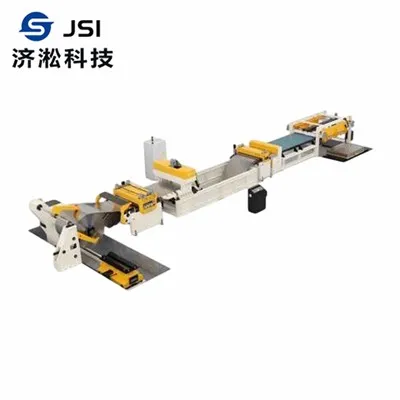
As a supplier of coil straighteners, I understand the importance of ensuring these machines are in optimal working condition. Coil straighteners play a crucial role in various industries, such as metalworking, automotive, and manufacturing, where they are used to straighten coiled materials like steel, aluminum, and copper. Determining whether a coil straightener needs to be repaired is essential to maintain productivity, ensure product quality, and avoid costly downtime. In this blog post, I will share some key indicators that can help you identify when a coil straightener requires repair.
Visual Inspection
The first step in determining if a coil straightener needs repair is a thorough visual inspection. This should be done regularly, preferably at the start of each shift or at scheduled intervals. Look for any obvious signs of damage, wear, or misalignment.
- Physical Damage: Check for cracks, dents, or breaks in the frame, rollers, and other components. Physical damage can compromise the structural integrity of the machine and affect its performance. For example, a cracked frame may cause the straightener to vibrate excessively, leading to uneven straightening and potential damage to the material being processed.
- Worn Rollers: Rollers are one of the most critical components of a coil straightener. Over time, they can wear down due to friction and contact with the material. Inspect the rollers for signs of wear, such as grooves, flat spots, or uneven surfaces. Worn rollers can cause the material to slip or not straighten properly, resulting in poor-quality output. If you notice significant wear on the rollers, it may be necessary to replace them.
- Misaligned Components: Ensure that all components of the coil straightener are properly aligned. Misaligned rollers, guides, or other parts can cause the material to track unevenly, leading to wrinkles, waves, or other defects in the straightened material. Check the alignment of the rollers using a straightedge or a laser alignment tool. If misalignment is detected, it should be corrected immediately to prevent further damage to the machine and the material.
Operational Performance
In addition to visual inspection, pay close attention to the operational performance of the coil straightener. Any changes in its normal operation can be a sign that something is wrong and that repair may be needed.
- Noise and Vibration: Unusual noise or excessive vibration during operation can indicate a problem with the coil straightener. Loud banging, grinding, or rattling noises may suggest loose or worn components, such as bearings, gears, or belts. Excessive vibration can also be a sign of misalignment or imbalance. If you notice any abnormal noise or vibration, stop the machine immediately and investigate the cause.
- Material Feeding Issues: Difficulties in feeding the material through the coil straightener can be a sign of a problem. If the material jams, slips, or does not feed smoothly, it may be due to worn rollers, incorrect roller pressure, or a misaligned feeding mechanism. Check the roller pressure settings and ensure that the feeding guides are properly adjusted. If the problem persists, further inspection and repair may be required.
- Straightening Quality: The most obvious indicator of a problem with a coil straightener is a decline in the quality of the straightened material. If you notice wrinkles, waves, twists, or other defects in the material after straightening, it may be a sign that the machine is not functioning properly. Check the roller alignment, pressure settings, and speed to ensure they are appropriate for the material being processed. If the quality issues persist, it may be necessary to repair or replace the worn components.
Maintenance Records
Maintaining detailed maintenance records is essential for monitoring the condition of your coil straightener and determining when repair is needed. Keep track of all maintenance activities, including inspections, lubrication, part replacements, and repairs. By reviewing these records, you can identify patterns of wear and tear, track the performance of the machine over time, and anticipate potential problems.


- Regular Maintenance: Follow the manufacturer's recommended maintenance schedule for your coil straightener. This typically includes tasks such as lubrication, cleaning, and inspection. Regular maintenance helps prevent premature wear and tear and ensures that the machine operates at peak performance. By adhering to the maintenance schedule, you can catch small problems before they become major issues and avoid costly repairs.
- Part Replacements: Keep a record of all part replacements, including the date of replacement, the part number, and the reason for replacement. This information can help you determine the lifespan of different components and plan for future maintenance and repair. For example, if you notice that a particular type of roller needs to be replaced frequently, you may need to consider upgrading to a higher-quality roller or adjusting the operating conditions to reduce wear.
- Repair History: Document all repairs that have been performed on the coil straightener, including the date of repair, the nature of the problem, and the solution. This information can be valuable in diagnosing recurring problems and determining if there are any underlying issues with the machine. By reviewing the repair history, you can identify trends and take proactive measures to prevent similar problems from occurring in the future.
Diagnostic Tools
In some cases, it may be necessary to use diagnostic tools to determine if a coil straightener needs repair. These tools can provide more detailed information about the condition of the machine and help identify problems that may not be visible during a visual inspection.
- Infrared Thermography: Infrared thermography is a non-contact method of detecting heat patterns in electrical and mechanical components. By using an infrared camera, you can identify areas of excessive heat, which may indicate a problem such as a worn bearing, a loose connection, or an overloaded motor. Infrared thermography can be used to detect problems before they cause significant damage to the machine and can help you schedule maintenance and repair activities more effectively.
- Ultrasonic Testing: Ultrasonic testing is a non-destructive testing method that uses high-frequency sound waves to detect internal defects in materials. By using an ultrasonic transducer, you can detect cracks, voids, or other defects in the components of the coil straightener, such as the frame, rollers, or shafts. Ultrasonic testing can be particularly useful for detecting hidden defects that may not be visible during a visual inspection.
- Vibration Analysis: Vibration analysis is a technique used to measure and analyze the vibration patterns of a machine. By using a vibration sensor and a data analyzer, you can identify the frequency, amplitude, and phase of the vibration, which can provide valuable information about the condition of the machine. Vibration analysis can be used to detect problems such as unbalance, misalignment, bearing wear, or gear damage.
Conclusion
Determining if a coil straightener needs to be repaired requires a combination of visual inspection, monitoring of operational performance, review of maintenance records, and the use of diagnostic tools. By being proactive and regularly checking for signs of damage, wear, and performance issues, you can ensure that your coil straightener operates at peak performance and avoid costly downtime.
If you suspect that your coil straightener needs repair, it is important to contact a qualified technician or a reputable supplier like us. We have the expertise and experience to diagnose and repair any problems with your coil straightener quickly and efficiently. We offer a wide range of Coil Stock Straightener, Straightener-top Flip Up, and Thick Sheet Straightener products and services to meet your specific needs.
If you are interested in learning more about our coil straighteners or need assistance with repair and maintenance, please feel free to contact us. We are committed to providing high-quality products and excellent customer service, and we look forward to working with you.
References
- Manufacturer's manuals and technical documentation for coil straighteners.
- Industry standards and best practices for coil straightener maintenance and repair.
- Publications and research articles on metalworking and machinery maintenance.