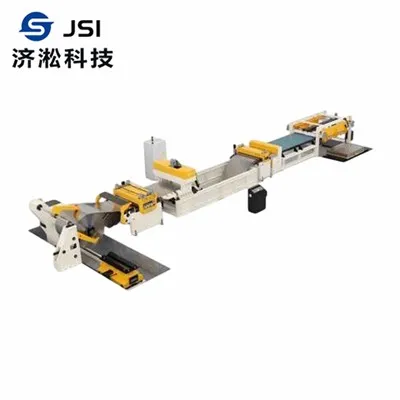
As a seasoned supplier of precision levelers, I understand the critical role that adjusting the roll gap plays in achieving optimal performance and high-quality output. In this blog post, I'll share some in-depth insights on how to adjust the roll gap in a precision leveler, drawing on my years of industry experience and technical know-how.
Understanding the Roll Gap in a Precision Leveler
Before delving into the adjustment process, it's essential to understand what the roll gap is and why it matters. The roll gap refers to the distance between the upper and lower rolls in a precision leveler. This gap determines the amount of pressure applied to the material passing through the leveler, which in turn affects the flatness and quality of the finished product.


A proper roll gap adjustment is crucial for several reasons. Firstly, it ensures that the material is leveled uniformly, eliminating any waves, coils, or other irregularities. Secondly, it helps prevent damage to the material, such as scratches or dents, which can occur if the rolls are too tight or too loose. Finally, it maximizes the efficiency of the leveler, reducing downtime and improving overall productivity.
Factors Affecting Roll Gap Adjustment
Several factors need to be considered when adjusting the roll gap in a precision leveler. These include:
- Material Thickness: The thickness of the material being leveled is one of the most critical factors. Thicker materials typically require a larger roll gap to allow for proper leveling, while thinner materials may need a smaller gap to achieve the desired flatness.
- Material Hardness: Harder materials are more difficult to level and may require a greater amount of pressure. As a result, the roll gap may need to be adjusted accordingly to ensure that the material is properly flattened.
- Leveler Type and Configuration: Different types of precision levelers have different roll configurations and adjustment mechanisms. Some levelers may have manual adjustment knobs, while others may be equipped with hydraulic or electric actuators for more precise control.
- Desired Flatness Tolerance: The required flatness tolerance of the finished product also influences the roll gap adjustment. Tighter tolerances may necessitate more precise adjustments to achieve the desired level of flatness.
Step-by-Step Guide to Adjusting the Roll Gap
Now that we've covered the basics, let's walk through the step-by-step process of adjusting the roll gap in a precision leveler:
- Prepare the Leveler: Before making any adjustments, ensure that the leveler is properly set up and calibrated. This includes checking the alignment of the rolls, the tension of the belts or chains, and the lubrication of the moving parts.
- Select the Appropriate Roll Gap Setting: Based on the material thickness, hardness, and desired flatness tolerance, refer to the leveler's operating manual or consult with the manufacturer to determine the recommended roll gap setting.
- Make Initial Adjustments: Use the leveler's adjustment mechanism to set the initial roll gap. This may involve turning a manual adjustment knob, operating a hydraulic or electric actuator, or using a digital control panel.
- Test the Leveling Process: Once the initial adjustments have been made, run a test piece of material through the leveler. Inspect the finished product for flatness, waves, or other irregularities. If necessary, make further adjustments to the roll gap based on the test results.
- Fine-Tune the Adjustments: Continue to make small adjustments to the roll gap until the desired level of flatness is achieved. This may require multiple passes through the leveler and careful inspection of the material after each pass.
- Document the Adjustments: Once the optimal roll gap setting has been determined, document the adjustments for future reference. This will help ensure consistency and repeatability in the leveling process.
Tips for Optimal Roll Gap Adjustment
Here are some additional tips to help you achieve optimal roll gap adjustment in a precision leveler:
- Use a Measuring Tool: To ensure accurate adjustments, use a precision measuring tool, such as a micrometer or a feeler gauge, to measure the roll gap.
- Make Incremental Adjustments: When making adjustments to the roll gap, it's best to make small, incremental changes rather than large adjustments. This will help prevent over-adjustment and ensure a more precise leveling process.
- Monitor the Leveling Process: Continuously monitor the leveling process to detect any changes in the material or the leveler's performance. This will allow you to make timely adjustments and prevent quality issues.
- Maintain the Leveler: Regular maintenance of the precision leveler is essential to ensure optimal performance and longevity. This includes cleaning the rolls, lubricating the moving parts, and inspecting the adjustment mechanism for wear and tear.
Conclusion
Adjusting the roll gap in a precision leveler is a critical step in achieving high-quality, flat materials. By understanding the factors that affect roll gap adjustment and following the step-by-step guide outlined in this blog post, you can ensure that your precision leveler is operating at its best.
If you're in the market for a precision leveler or need further assistance with roll gap adjustment, we're here to help. Our company offers a wide range of Coil Material Precision Leveling Machine, 4-layer High Precision Roller Leveler, and Precision Leveler Machine to meet your specific needs. Contact us today to discuss your requirements and learn more about how our precision levelers can improve your production process.
References
- Precision Leveler Operating Manuals
- Industry Standards and Best Practices for Metal Leveling