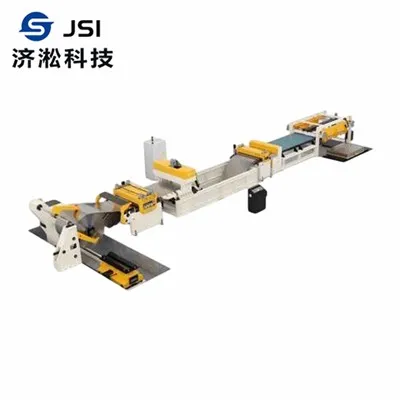
In the dynamic landscape of modern manufacturing, the pursuit of efficiency, precision, and automation has become paramount. As a leading provider of Precision Leveler Machines, I often encounter inquiries from manufacturers about the feasibility of integrating our equipment into automated production lines. This blog post aims to explore this topic in depth, shedding light on the benefits, challenges, and considerations associated with such integration.
The Role of Precision Leveler Machines in Manufacturing
Before delving into the integration process, it's essential to understand the role of Precision Leveler Machines in manufacturing. These machines are designed to correct the flatness and shape of various materials, including sheet metal, coils, and strips. By eliminating warping, bowing, and other deformities, Precision Leveler Machines ensure that the material meets the required specifications for subsequent processing steps, such as cutting, bending, and welding.
Our company offers a wide range of Precision Leveler Machines, including Sheet Material Precision Leveling Machine and Coil Material Precision Leveling Machine. These machines are equipped with advanced features and technologies, such as adjustable leveling rolls, servo-driven systems, and automatic thickness compensation, to provide precise and consistent leveling results.
Benefits of Integrating Precision Leveler Machines into Automated Production Lines
The integration of Precision Leveler Machines into automated production lines offers several significant benefits for manufacturers. Here are some of the key advantages:
Increased Efficiency
Automation eliminates the need for manual intervention in the leveling process, reducing the time and labor required for material handling and leveling. This results in increased production throughput and reduced cycle times, allowing manufacturers to meet the growing demand for their products more efficiently.
Improved Precision and Quality
Automated Precision Leveler Machines are capable of providing highly accurate and consistent leveling results, ensuring that the material meets the strictest quality standards. By eliminating human error and variability, automation helps to improve the overall quality of the finished products, reducing the risk of defects and rework.
Enhanced Safety
Manual leveling operations can be hazardous, especially when dealing with heavy and large materials. By integrating Precision Leveler Machines into automated production lines, manufacturers can minimize the risk of workplace accidents and injuries, creating a safer working environment for their employees.
Cost Savings
Although the initial investment in automated Precision Leveler Machines may be higher than that of manual machines, the long-term cost savings can be significant. By reducing labor costs, improving production efficiency, and minimizing material waste, automation helps to lower the overall production costs, increasing the profitability of the manufacturing operations.
Challenges and Considerations
While the integration of Precision Leveler Machines into automated production lines offers numerous benefits, it also presents some challenges and considerations that manufacturers need to address. Here are some of the key factors to consider:
Compatibility
Before integrating a Precision Leveler Machine into an automated production line, it's essential to ensure that the machine is compatible with the existing equipment and systems. This includes considering factors such as the machine's size, weight, power requirements, and communication protocols.
Programming and Integration
Automated Precision Leveler Machines require sophisticated programming and integration to operate effectively within an automated production line. This may involve working with a system integrator or automation specialist to develop a customized solution that meets the specific requirements of the manufacturing process.
Maintenance and Support
Like any other equipment, automated Precision Leveler Machines require regular maintenance and support to ensure optimal performance and reliability. Manufacturers need to have a comprehensive maintenance plan in place and access to technical support from the machine supplier to minimize downtime and maximize productivity.
Operator Training
The successful integration of Precision Leveler Machines into automated production lines also requires proper operator training. Operators need to be trained on how to operate and maintain the automated equipment, as well as how to troubleshoot common problems and issues.
Steps to Integrate Precision Leveler Machines into Automated Production Lines
The integration of Precision Leveler Machines into automated production lines typically involves the following steps:
Step 1: Assessment and Planning
The first step in the integration process is to conduct a thorough assessment of the manufacturing process and the requirements for the Precision Leveler Machine. This includes evaluating the material type, thickness, width, and length, as well as the production volume and throughput requirements. Based on this assessment, a detailed integration plan can be developed, outlining the scope of work, timeline, and budget for the project.
Step 2: Machine Selection and Configuration
Once the integration plan is finalized, the next step is to select the appropriate Precision Leveler Machine for the application. This involves considering factors such as the machine's capacity, accuracy, speed, and features, as well as its compatibility with the existing equipment and systems. The machine can then be configured and customized to meet the specific requirements of the manufacturing process.
Step 3: System Integration and Programming
After the machine is selected and configured, the next step is to integrate it into the automated production line. This involves connecting the machine to the existing equipment and systems, such as conveyors, robots, and control systems, and programming the machine to operate in synchronization with the other components of the production line.
Step 4: Testing and Validation
Once the system integration and programming are complete, the next step is to conduct thorough testing and validation of the integrated system. This includes testing the machine's performance, accuracy, and reliability, as well as its compatibility with the other components of the production line. Any issues or problems identified during the testing phase should be addressed and resolved before the system is put into production.
Step 5: Operator Training and Support
Finally, the operators need to be trained on how to operate and maintain the integrated system. This includes providing training on the machine's operation, programming, maintenance, and troubleshooting, as well as on the safety procedures and protocols. The machine supplier should also provide ongoing technical support to the operators to ensure the smooth operation of the integrated system.
Conclusion
In conclusion, the integration of Precision Leveler Machines into automated production lines offers significant benefits for manufacturers, including increased efficiency, improved precision and quality, enhanced safety, and cost savings. However, it also presents some challenges and considerations that need to be addressed, such as compatibility, programming and integration, maintenance and support, and operator training. By following the steps outlined in this blog post and working with a reputable Precision Leveler Machine supplier, manufacturers can successfully integrate our Precision Leveler Machine into their automated production lines and achieve their manufacturing goals.
If you are interested in learning more about our Precision Leveler Machines or discussing the integration of our equipment into your automated production line, please feel free to contact us. Our team of experts will be happy to assist you and provide you with the information and support you need to make an informed decision.


References
- "Automation in Manufacturing: Trends and Technologies," Manufacturing.net
- "Precision Leveling Machines: A Guide to Selection and Operation," Modern Machine Shop
- "The Benefits of Automated Production Lines in Manufacturing," IndustryWeek