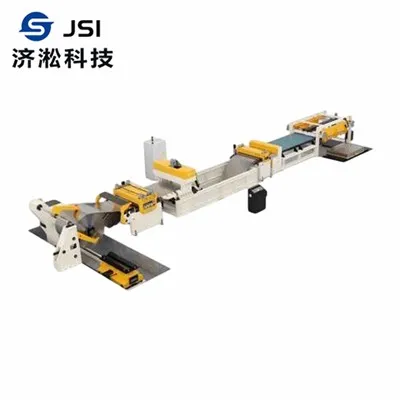
Hey there! As a supplier of Zigzag Feeders, I often get asked about the wear resistance of their components. And let me tell you, it's a crucial aspect that can make or break the performance and longevity of these machines. So, in this blog post, I'm gonna dive deep into what wear resistance means for Zigzag Feeder components and why it matters.


First off, let's understand what wear resistance is. Simply put, wear resistance is a material's ability to withstand the damage caused by friction, abrasion, and other forms of mechanical contact over time. In the context of a Zigzag Feeder, the components are constantly in motion, rubbing against each other and the materials they're handling. This continuous movement and contact can lead to wear and tear, which can eventually affect the feeder's performance and efficiency.
Now, let's take a look at some of the key components of a Zigzag Feeder and how their wear resistance impacts the overall machine.
Conveyor Belts
The conveyor belts are one of the most critical components of a Zigzag Feeder. They're responsible for transporting the materials from one point to another. These belts are constantly in contact with the materials being fed, as well as the rollers and other parts of the feeder. As a result, they're prone to wear and tear.
A high - wear - resistant conveyor belt is made from materials that can withstand the abrasion caused by the materials. For example, some belts are made from rubber compounds with added fillers like carbon black or ceramic particles. These fillers increase the belt's hardness and toughness, making it more resistant to cuts, tears, and abrasion.
When the conveyor belt has good wear resistance, it lasts longer. This means fewer replacements, which saves you money in the long run. Also, a well - maintained and wear - resistant belt ensures smooth and consistent material flow, reducing the chances of jams and breakdowns.
Rollers
Rollers play a vital role in guiding and supporting the conveyor belt. They rotate as the belt moves, and they're in contact with both the belt and the frame of the feeder. The wear resistance of rollers is crucial because if they wear out quickly, they can cause the belt to misalign, leading to uneven material distribution and potential damage to the belt itself.
Rollers are often made from materials like steel or high - density plastics. Steel rollers are known for their high strength and durability. They can withstand heavy loads and high - speed operation. However, they can also be prone to corrosion if not properly coated. On the other hand, high - density plastic rollers are lightweight, corrosion - resistant, and can offer good wear resistance in certain applications.
Guides and Rails
Guides and rails are used to keep the conveyor belt in the correct position and to ensure smooth movement. They're in constant contact with the edges of the belt, and any wear on these components can cause the belt to deviate from its path.
To enhance wear resistance, guides and rails can be made from hardened steel or wear - resistant polymers. Hardened steel guides are very strong and can withstand a lot of pressure and friction. Wear - resistant polymers, on the other hand, offer self - lubricating properties, which reduce friction and wear.
Drive System Components
The drive system of a Zigzag Feeder includes motors, gears, and chains. These components are responsible for providing the power to move the conveyor belt. Wear on these parts can lead to reduced efficiency, increased energy consumption, and even complete system failure.
For example, gears need to have high wear resistance to ensure smooth power transmission. They're often made from high - quality steel alloys that are heat - treated to increase their hardness and wear resistance. Chains also need to be made from materials that can withstand the tension and friction during operation.
Why Wear Resistance Matters
Now that we've looked at the key components, let's talk about why wear resistance is so important for Zigzag Feeders.
Cost Savings
As I mentioned earlier, components with high wear resistance last longer. This means you don't have to replace them as often. Replacing conveyor belts, rollers, and other parts can be expensive, not to mention the labor costs associated with the replacement. By investing in a Zigzag Feeder with wear - resistant components, you can save a significant amount of money over the life of the machine.
Productivity
A feeder with wear - resistant components is more reliable. It's less likely to break down due to worn - out parts, which means less downtime. In a production environment, every minute of downtime can cost you money. With a wear - resistant Zigzag Feeder, you can keep your production line running smoothly, meeting your production targets and deadlines.
Quality of Output
Wear - resistant components ensure consistent performance. For example, a well - maintained conveyor belt with good wear resistance will transport materials evenly. This is crucial for applications where the quality of the output depends on the accurate and consistent feeding of materials.
Our Product Range
We offer a variety of Zigzag Feeders with high - wear - resistant components. And we also have other types of feeders that might interest you. Check out our Medium Sheet NC Servo Feeder, Double Servo High Speed Feeder, and High Speed NC Servo Roll Feeder. These feeders are designed to meet different industrial needs, and they all feature components engineered for maximum wear resistance.
Contact Us for Procurement
If you're in the market for a high - quality Zigzag Feeder or any of our other feeder products, we'd love to hear from you. Whether you have questions about wear resistance, need a custom - made solution, or are ready to place an order, feel free to reach out to us. We're here to help you find the perfect feeder for your specific requirements.
References
- "Handbook of Materials Selection" by Michael F. Ashby
- "Mechanical Wear: Fundamentals and Testing" by Bhushan, Bharat