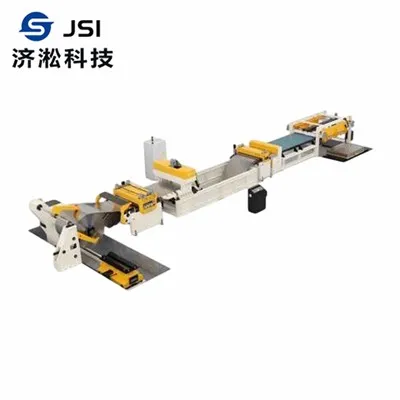
Hey there! As a supplier of mechanical feeders, I often get asked about the temperature range in which these nifty machines can operate. It's a crucial question, especially for businesses that rely on these feeders to keep their operations running smoothly. So, let's dive right in and explore this topic.
First off, it's important to understand that different types of mechanical feeders have different temperature tolerances. We've got a wide range of mechanical feeders in our inventory, like the Mechanical Gripper Feeder, High Speed Roll Feeder, and Medium Sheet Mechanical Feeder. Each of these has unique features and is designed for specific applications, which also affects their temperature limits.
General Temperature Considerations
Most mechanical feeders are designed to operate within a relatively normal temperature range. Generally speaking, a typical mechanical feeder can work well in temperatures between 10°C (50°F) and 40°C (104°F). This range is considered the sweet spot because it allows the various components of the feeder to function optimally.
At temperatures around 10°C, the materials used in the feeder, such as metals and plastics, maintain their structural integrity and mechanical properties. The lubricants that keep the moving parts running smoothly also work effectively at this temperature. However, if the temperature drops much below this, say to 0°C (32°F) or lower, the lubricants can thicken, making it harder for the parts to move freely. This can lead to increased wear and tear on the feeder and may even cause it to malfunction.
On the other end of the spectrum, when the temperature reaches 40°C or higher, things can start to get a bit dicey. The heat can cause the metals in the feeder to expand. This expansion can throw off the precise alignment of the moving parts, leading to inaccurate feeding and potential damage to the feeder. Additionally, high temperatures can degrade the lubricants, reducing their ability to protect the parts from friction and corrosion.
Effects of Temperature on Specific Components
Let's take a closer look at how temperature affects some of the key components of a mechanical feeder.
Motors
Motors are the heart of a mechanical feeder, and they're quite sensitive to temperature. Most motors are rated for a maximum operating temperature, usually around 60°C to 70°C (140°F to 158°F). If the ambient temperature gets too close to this limit, the motor can overheat. Overheating can cause the insulation on the motor windings to break down, leading to short circuits and motor failure.
In colder temperatures, the motor may have trouble starting because the electrical resistance of the windings increases. This means the motor has to work harder to get going, which can also put extra stress on the motor and reduce its lifespan.
Belts and Chains
Belts and chains are used to transfer power and move the materials through the feeder. In high temperatures, these belts and chains can stretch and lose their tension. This can cause slippage, which affects the accuracy of the feeding process. In extreme cases, the belts or chains may even break.
In cold temperatures, the belts and chains can become brittle. This makes them more prone to cracking and snapping, which can bring your entire operation to a halt.
Sensors
Many mechanical feeders are equipped with sensors to monitor things like position, speed, and material flow. These sensors are often made of electronic components that are sensitive to temperature. High temperatures can cause the sensors to give inaccurate readings, leading to incorrect feeding or even safety hazards. Cold temperatures can also affect the performance of the sensors, causing them to malfunction or become less responsive.
Specialized Feeders for Extreme Temperatures
If your operations require mechanical feeders to work in extreme temperatures, don't worry! There are specialized feeders available that can handle these challenging conditions.
For high-temperature environments, such as foundries or steel mills, we offer feeders that are built with heat-resistant materials. These feeders use special alloys that can withstand temperatures well above the normal range. They also have advanced cooling systems to keep the components from overheating.


On the other hand, for cold environments like cold storage facilities or Arctic research stations, we have feeders designed with cold-resistant materials. These feeders use lubricants that remain fluid at low temperatures and have insulation to protect the components from the cold.
Tips for Operating in Challenging Temperatures
If you need to use a mechanical feeder in temperatures outside the normal range, here are some tips to help you keep it running smoothly:
- Insulation and Heating/Cooling Systems: In cold environments, you can use insulation to keep the feeder warm. You can also install heating systems, such as electric heaters, to maintain a suitable temperature inside the feeder. In hot environments, cooling fans or air conditioning units can be used to keep the feeder cool.
- Regular Maintenance: When operating in extreme temperatures, it's even more important to perform regular maintenance on the feeder. This includes checking the lubricants, inspecting the belts and chains for wear, and testing the sensors. You may also need to adjust the tension of the belts and chains more frequently to account for temperature-induced changes.
- Monitor the Temperature: Use temperature sensors to keep an eye on the ambient temperature and the temperature of the feeder components. This will allow you to take action if the temperature gets too close to the limits.
Conclusion
In conclusion, the temperature range in which a mechanical feeder can operate depends on several factors, including the type of feeder, its components, and the materials used. While most feeders work well between 10°C and 40°C, there are specialized feeders available for extreme temperatures. By understanding how temperature affects your feeder and taking the necessary precautions, you can ensure that your feeder operates reliably and efficiently, no matter what the temperature is.
If you're in the market for a mechanical feeder or need more information about how our feeders perform in different temperature conditions, don't hesitate to reach out. We're here to help you find the perfect feeder for your specific needs. Whether you're looking for a Mechanical Gripper Feeder, High Speed Roll Feeder, or Medium Sheet Mechanical Feeder, we've got you covered. Contact us today to start the conversation about your procurement needs.
References
- Machinery's Handbook, 31st Edition
- Manufacturer's specifications for various mechanical feeders