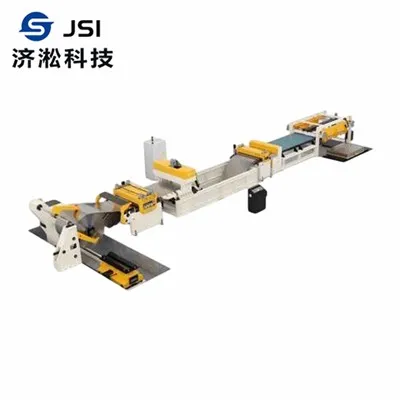
Hey there! As a supplier of High Speed Gear Feeders, I often get asked about what overload protection is and why it's so crucial for these machines. So, let's dive right in and break it down.
What's an Overload?
First off, we need to understand what an "overload" means in the context of a High Speed Gear Feeder. An overload occurs when the feeder is subjected to more stress, force, or load than it's designed to handle. This can happen for a bunch of reasons. Maybe there's a jam in the feeding mechanism, or the material being fed is too thick or too heavy. Sometimes, it could be due to a malfunction in the control system that causes the feeder to run at an improper speed or with excessive force.
When an overload happens, it can lead to some serious problems. It can damage the gears, motors, and other critical components of the feeder. This not only results in costly repairs but also causes downtime, which can be a real headache for any manufacturing operation.
How Overload Protection Works
Overload protection in a High Speed Gear Feeder is like a safety net. It's a set of features and mechanisms designed to prevent the feeder from getting damaged when an overload situation occurs.
One common way to achieve overload protection is through the use of torque limiters. These are devices that can disengage the power transmission when the torque (the rotational force) exceeds a pre - set limit. For example, if the gears in the feeder start to experience too much resistance due to a jam, the torque limiter will kick in and stop the power from being transmitted to the gears. This prevents the gears from being overstressed and potentially breaking.


Another important aspect of overload protection is the use of sensors. Modern High Speed Gear Feeders are equipped with various sensors that can detect changes in parameters such as current, temperature, and pressure. For instance, an amperage sensor can monitor the current drawn by the motor. If the current suddenly spikes, it could be a sign of an overload. Once the sensor detects this abnormal condition, it sends a signal to the control system, which can then take appropriate action, like shutting down the feeder or reducing its speed.
Some feeders also have mechanical overload protection features. For example, a shear pin can be used in the power transmission system. A shear pin is designed to break when the force exceeds a certain level. When the shear pin breaks, it stops the power flow and protects the more expensive components of the feeder from damage.
Why Overload Protection is a Must
Now, you might be wondering why overload protection is such a big deal. Well, there are several reasons.
First of all, it saves money. As I mentioned earlier, an overload can cause significant damage to the feeder. Repairing or replacing damaged components can be very expensive. By having effective overload protection, you can avoid these costly repairs and keep your production costs down.
Secondly, it improves productivity. When a feeder breaks down due to an overload, it can cause a halt in the manufacturing process. This means lost production time and missed deadlines. Overload protection helps to minimize downtime by quickly detecting and responding to overload situations, allowing the feeder to get back up and running as soon as possible.
Thirdly, it enhances safety. An overloaded feeder can be dangerous. It can cause parts to break off and fly around, which can pose a risk to the operators. Overload protection ensures that the feeder operates within safe limits, reducing the risk of accidents in the workplace.
Comparing with Other Feeders
Let's take a quick look at how the overload protection in High Speed Gear Feeders compares with other types of feeders, like the High Speed Roll Feeder and the Mechanical Gripper Feeder.
High Speed Roll Feeders typically rely on different mechanisms for overload protection. Since they use rolls to feed the material, they may have sensors that monitor the tension in the material being fed. If the tension gets too high, it could indicate an overload, and the feeder can adjust accordingly.
Mechanical Gripper Feeders, on the other hand, often use grippers to hold and move the material. Their overload protection might focus more on protecting the gripper mechanism from getting damaged. For example, they may have sensors that detect if the gripper is applying too much force on the material.
However, High Speed Gear Feeders have a unique advantage when it comes to handling high - speed and high - precision feeding tasks. Their overload protection systems are specifically designed to deal with the high - speed rotational forces and the precise synchronization required in gear - based feeding operations.
Choosing the Right Overload Protection
When you're in the market for a High Speed Gear Feeder, choosing the right overload protection is crucial. You need to consider the specific requirements of your manufacturing process.
Think about the type of material you'll be feeding. If you're working with thick or heavy materials, you'll need a feeder with a more robust overload protection system. Also, consider the speed and the volume of production. High - volume, high - speed operations may require more advanced sensors and torque limiters to ensure reliable overload protection.
It's also important to look at the reputation of the manufacturer. A reliable supplier will have a proven track record of providing effective overload protection in their feeders. They'll be able to offer technical support and advice on how to optimize the overload protection settings for your specific application.
Wrapping Up and Reaching Out
In conclusion, overload protection is an essential feature of a High Speed Gear Feeder. It protects the feeder from damage, saves money, improves productivity, and enhances safety. If you're in the manufacturing industry and are looking for a reliable High Speed Gear Feeder, make sure to pay close attention to the overload protection features.
If you have any questions about our High Speed Gear Feeders or need more information on overload protection, don't hesitate to reach out. We're here to help you find the perfect solution for your manufacturing needs. Whether you're a small - scale operation or a large - scale industrial plant, we can provide you with a feeder that meets your requirements and keeps your production running smoothly.
References
- Industrial Feeding Equipment Handbook
- Journal of Manufacturing Technology and Equipment