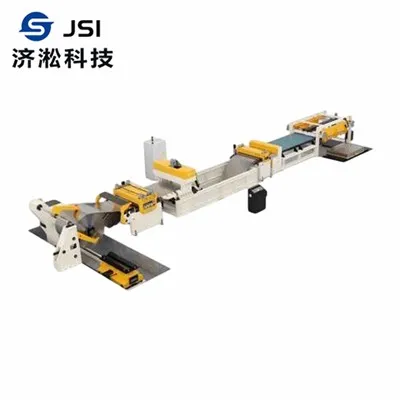
When it comes to the world of metal processing, one of the most frequently asked questions I get as a cut to length line supplier is, "What is the maximum thickness of materials that a cut to length line can process?" It's a great question, and the answer isn't as straightforward as you might think. In this blog post, I'll dive into the factors that determine the maximum thickness, and give you a better understanding of what to expect when working with a cut to length line.
Understanding the Basics of Cut to Length Lines
First things first, let's quickly go over what a cut to length line is. Essentially, it's a machine that takes a continuous coil of metal and cuts it into sheets of a specific length. This process is pretty common in industries like automotive manufacturing, construction, and appliance production. The cut to length line can handle various materials, including steel, aluminum, stainless steel, and more.


There are different types of cut to length lines out there, each with its own set of capabilities. For instance, the Coil Cut To Length Line is designed specifically for processing coils. Then there's the Multi-function Cutting Line, which, as the name suggests, offers multiple functions and can handle a wider range of tasks. And the High Speed Steel Cut To Length Machine Line is built for high-speed processing of steel.
Factors Affecting the Maximum Thickness
The maximum thickness a cut to length line can handle depends on several factors. Here are some of the key ones:
1. Machine Design and Build
The design and build quality of the cut to length line play a huge role. A well - built machine with a robust frame and high - quality components can usually handle thicker materials. Machines that are constructed with heavy - duty materials and advanced engineering are more likely to withstand the forces required to cut through thicker metal. For example, the cutting knives need to be strong enough and have the right geometry to make clean cuts in thick sheets.
2. Cutting Mechanism
There are different cutting mechanisms used in cut to length lines, such as shear cutting and rotary cutting. Shear cutting involves using a pair of blades to cut the metal. The power of the shear and the sharpness of the blades determine how thick a material it can cut. Rotary cutting, on the other hand, uses a rotating blade. The torque and speed of the rotating blade are crucial for handling thick materials. Generally, more powerful cutting mechanisms can handle thicker sheets.
3. Material Properties
Not all materials are created equal. Different metals have different hardness, ductility, and tensile strength. For example, stainless steel is generally harder than aluminum. So, a cut to length line that can handle a certain thickness of aluminum might not be able to handle the same thickness of stainless steel. The material's composition also matters. Some alloys are more difficult to cut than pure metals.
4. Feeding System
The feeding system of the cut to length line is responsible for moving the metal coil through the machine. A strong and efficient feeding system is necessary for processing thick materials. If the feeding system can't provide enough force to move the thick metal, it will cause problems during the cutting process. The rollers in the feeding system need to have enough grip and power to handle the weight and resistance of the thick material.
Typical Maximum Thickness Ranges
Now, let's talk about some typical maximum thickness ranges. Keep in mind that these are general estimates, and the actual maximum thickness can vary depending on the specific machine and the factors we just discussed.
For light - duty cut to length lines, which are often used for thinner materials like aluminum sheets in small - scale operations, the maximum thickness might be around 1 - 3 mm. These machines are more compact and have less cutting power.
Medium - duty cut to length lines are more common in medium - sized manufacturing plants. They can usually handle materials up to 6 - 10 mm thick. These machines offer a good balance between cutting power and cost.
Heavy - duty cut to length lines, which are used in large industries like automotive manufacturing, can handle materials as thick as 20 - 30 mm or even more in some cases. These machines are built to handle the toughest jobs and are equipped with high - power cutting mechanisms and robust feeding systems.
How to Determine the Right Cut to Length Line for Your Needs
If you're in the market for a cut to length line, it's important to choose the one that can handle the maximum thickness of the materials you work with. Here's a step - by - step guide:
- Evaluate Your Material Requirements: Make a list of the materials you'll be using and their maximum thicknesses. Consider the types of metals, their hardness, and any special requirements.
- Research Different Machines: Look at the specifications of different cut to length lines. Check the maximum thickness capacity, cutting mechanism, and feeding system. Read customer reviews and case studies to get an idea of how well the machine performs in real - world situations.
- Consult with a Supplier: As a cut to length line supplier, I always recommend talking to an expert. We can help you understand the technical details and recommend the right machine for your specific needs. We can also provide information on maintenance, operation, and any additional features that might be useful for your business.
Contact Us for Your Cut to Length Line Needs
If you're interested in purchasing a cut to length line or have more questions about the maximum thickness of materials it can process, don't hesitate to reach out. We're here to help you find the perfect solution for your metal processing needs. Whether you're a small - scale workshop or a large industrial manufacturer, we have the expertise and the machines to meet your requirements.
References
- Metal Processing Handbook. A comprehensive guide on the latest techniques and technologies in metal processing.
- Industry reports on cut to length line manufacturing and usage trends.