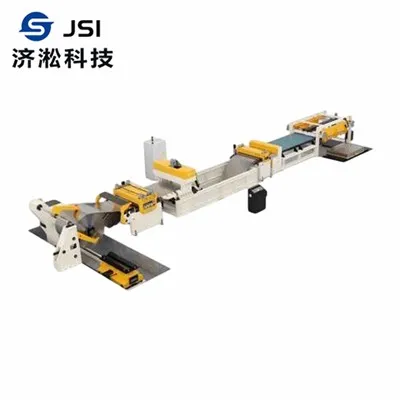
Hey there! As a supplier of Zigzag Feeders, I often get asked about the lifespan of these nifty machines. So, I thought I'd sit down and write a blog post to share some insights on this topic.
First off, let's talk about what a Zigzag Feeder is. It's a type of feeding equipment commonly used in industrial settings, especially in the metal stamping and forming industries. It's designed to feed materials, like sheets of metal, in a zigzag pattern, which helps with precision and efficiency during the manufacturing process.
Now, when it comes to the lifespan of a Zigzag Feeder, there isn't a one - size - fits - all answer. It depends on several factors, and I'll break them down for you.


Quality of Manufacturing
The quality of how the feeder is made plays a huge role. A well - manufactured Zigzag Feeder with high - grade materials and top - notch craftsmanship is likely to last longer. When we produce our feeders, we use high - strength alloys for the critical components. These alloys can withstand the wear and tear of continuous operation. For example, the rollers, which come into direct contact with the material being fed, are made from a special hardened steel. This steel is resistant to abrasion, so it doesn't wear out quickly even when feeding rough or abrasive materials.
Usage Frequency
How often the feeder is used is another major factor. If it's running 24/7 in a high - volume production environment, it's going to experience more stress and wear compared to one that's used only occasionally. In a factory where the Zigzag Feeder is in constant operation, say in a large - scale automotive parts manufacturing plant, the feeder might need more frequent maintenance and could potentially have a shorter lifespan if not properly cared for. On the other hand, a feeder in a small - scale workshop that's used a few hours a week will last much longer.
Maintenance
Proper maintenance is key to extending the lifespan of a Zigzag Feeder. Regular cleaning is essential. Dust, debris, and metal shavings can accumulate on the feeder's components over time. If not removed, these particles can cause friction and damage the moving parts. We recommend cleaning the feeder at least once a week, depending on the working environment.
Lubrication is also crucial. The moving parts, such as the gears and bearings, need to be lubricated regularly to reduce friction and prevent overheating. Using the right type of lubricant is important. We usually suggest a high - quality industrial lubricant that's suitable for the feeder's operating conditions.
Inspection of the feeder's components is another important maintenance task. Check for signs of wear, such as cracks in the frame, loose bolts, or worn - out belts. Catching these issues early can prevent more serious problems down the line.
Operating Conditions
The environment in which the feeder operates can have a big impact on its lifespan. If the feeder is in a dirty, dusty, or humid environment, it's more likely to experience corrosion and damage. For instance, in a coastal area where the air is salty, the feeder's metal components are at a higher risk of rusting. In such cases, additional protective measures, like applying anti - rust coatings, might be necessary.
The type of material being fed also matters. Feeding thick, heavy - gauge materials puts more stress on the feeder compared to thin, lightweight materials. If you're constantly feeding thick steel sheets, the feeder's motor, gears, and rollers will have to work harder, which can lead to faster wear.
Average Lifespan
On average, with proper maintenance and under normal operating conditions, a Zigzag Feeder can last anywhere from 10 to 15 years. However, this is just an estimate. Some well - maintained feeders have been known to last 20 years or more, while others in harsh operating conditions might need to be replaced after 5 to 7 years.
Comparison with Other Feeders
Let's compare the Zigzag Feeder with some other types of feeders in the market. For example, the NC Servo Roll Feeder is another popular choice. The NC Servo Roll Feeder uses a servo motor for precise control of the feeding process. It's often used in applications where high - precision feeding is required. In terms of lifespan, it also depends on similar factors like quality of manufacturing, usage frequency, and maintenance. However, the servo motor in the NC Servo Roll Feeder might require more specialized maintenance compared to the simpler motor in a Zigzag Feeder.
The Medium Sheet NC Servo Feeder is designed specifically for feeding medium - sized sheets. It has a different structure and feeding mechanism compared to the Zigzag Feeder. The lifespan of this feeder also varies based on the same set of factors. But because it's optimized for medium - sheet feeding, it might have a different wear pattern compared to a Zigzag Feeder.
The NC Feeder Machine is a general - purpose feeder with numerical control capabilities. It offers more flexibility in terms of feeding settings but also has more complex electronics and control systems. These additional components can sometimes be a source of problems if not properly maintained, which can affect the overall lifespan.
Extending the Lifespan
If you want to get the most out of your Zigzag Feeder, here are some tips. First, invest in a high - quality feeder from a reputable supplier. That's where we come in! We've been in the business for years, and we know how to build a feeder that lasts.
Second, follow a strict maintenance schedule. Keep a log of all maintenance activities, including cleaning, lubrication, and inspections. This will help you track the feeder's condition over time and catch any potential issues early.
Third, train your operators properly. They should know how to operate the feeder correctly and be aware of the signs of potential problems. For example, if they notice unusual noises or vibrations during operation, they should stop the feeder and report the issue immediately.
Conclusion
So, there you have it. The lifespan of a Zigzag Feeder depends on a variety of factors, but with the right care and maintenance, you can expect it to serve you well for many years. If you're in the market for a new Zigzag Feeder or have any questions about the ones we offer, don't hesitate to reach out. We're here to help you choose the right feeder for your needs and ensure that it lasts as long as possible. Whether you're a small - scale workshop or a large - scale manufacturing plant, we've got the expertise to provide you with the best feeding solutions.
References
- Industrial Feeding Equipment Handbook
- Metal Stamping and Forming Industry Reports
That's all for now. I hope this blog post has been helpful to you. If you have any more questions or need further information, feel free to leave a comment or contact us. Looking forward to hearing from you!